Best Tandem Kayaks of 2026: Top 2-Person Models
Discover the best tandem kayaks for couples, families, and friends. Compare hard-shell and inflatable 2-person kayaks tested for stability, capacity, and tracking.

Paddling with a partner can double your speed and reach—or turn into a splash-filled test of patience known affectionately on the water as a "divorce boat." Choosing the best tandem kayaks requires prioritizing raw stability, generous cockpit room, and predictable tracking so you spend your afternoon gliding instead of arguing over cadence. Whether you need a heavy-duty hard-shell for coastal chop or a lightweight inflatable for quick weekend trips, this guide breaks down the top-performing two-person kayaks on the market today.
Quick Comparison: Top 2-Person Tandem Kayaks
| Kayak Model | Type | Length / Weight | Max Capacity | Primary Material | Best For |
|---|---|---|---|---|---|
| Ocean Kayak Malibu Two XL | Sit-On-Top Hard-Shell | 13'4" / 68 lbs | 500 lbs | Rotomolded Polyethylene | Ocean surf, lakes, couples & kids |
| Sea Eagle 370 | Sit-On-Top Inflatable | 12'6" / 32 lbs | 650 lbs | 38-mil K80 PVC | Budget tandem camping, easy storage |
| Intex Explorer K2 | Sit-In Inflatable | 10'3" / 30 lbs | 400 lbs | Heavy-Duty Vinyl | Casual flatwater, quick lake trips |
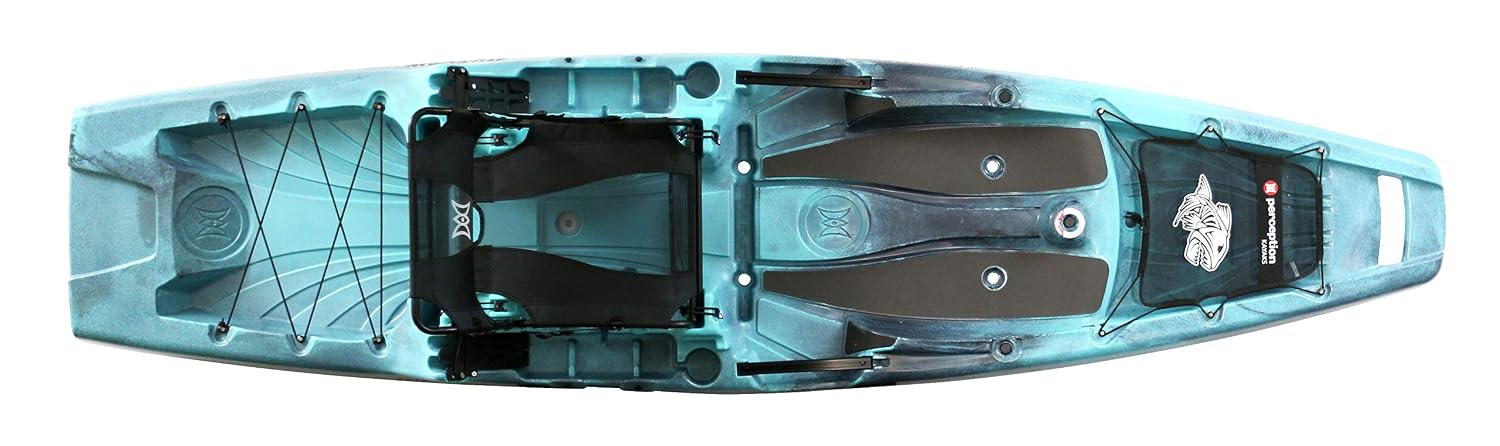
| Perception Pescador Pro 10 | Solo Hybrid comparison | 10'0" / 57 lbs | 325 lbs | Polyethylene | Single paddlers transitioning from tandem |
Why Tandem Kayaks Make (or Break) Your Water Trips
Tandem kayaks offer distinct advantages over single-seater models. A pair of paddlers generates roughly 1.7 times the speed of a solo kayaker while expending significantly less individual energy. They are ideal for bringing kids, pets, or less experienced friends into deeper water without worrying about anyone getting left behind.
However, tandem kayaks are physically larger, heavier, and less maneuverable than solo craft. If you buy a hull that is too narrow, you will feel tippy every time your partner turns around. If you choose one without adequate seat adjustability, your footrests will constantly interfere with the front paddler's backrest. Understanding how sit-in vs. sit-on-top kayaks operate is critical before selecting a two-seater format.
To pick the right vessel, review our complete breakdown in our how to choose a kayak buyer's guide, which covers hull profiles, beam widths, and weight limits in depth.
1. Ocean Kayak Malibu Two XL – The Indestructible Gold Standard
The Ocean Kayak Malibu Two XL remains the benchmark against which all other hard-shell tandem kayaks are measured. Measuring 13 feet 4 inches long with an ultra-wide 34-inch beam, this rotomolded polyethylene workhorse provides rock-solid primary stability even in rolling ocean swells or choppy lakes.
Key Specs & Performance
- Length: 13'4"
- Width: 34 inches
- Weight: 68 lbs
- Weight Capacity: 500 lbs
- Seating: 2 adult seats + central child/pet jump seat
What sets the Malibu Two XL apart is its trim versatility. It features molded-in foot wells and overlap foot braces that allow for three seating configurations: stern and bow for two paddlers, or a center position for a single paddler handling the boat alone. This makes it one of the few hard-shell tandems that can be comfortably paddled solo without the bow sticking up into the wind like a sail.
The molded side handles make portaging easier, though at 68 pounds, loading it onto a vehicle roof requires two people or a sturdy best kayak roof rack with loader assist arms. For long drags across beach sand, pairing it with heavy-duty wheels like those in our best kayak carts and dollies guide is strongly recommended.
Pros
- Virtually indestructible rotomolded hull construction
- Outstanding primary and secondary stability in rough water
- Center seat layout allows true solo paddling capability
- Overlapping foot brace system fits paddlers of varying heights
Cons
- Heavy frame requires two adults to lift easily
- Bare-bones seats require aftermarket padded cushions for all-day trips
- Wide beam requires 230cm–240cm paddles
2. Sea Eagle 370 Pro – The Best Lightweight Inflatable Tandem
If storage space or vehicle trunk room is a dealbreaker, the Sea Eagle 370 delivers an impressive solution. Weighing a mere 32 pounds inflated, this boat packs down into a duffel bag while boasting an incredible 650-pound weight capacity. It is built from 38-mil Polykrylar PVC, making it resistant to sharp gravel, dog claws, and river obstacles.
Key Specs & Performance
- Length: 12'6"
- Width: 34 inches
- Weight: 32 lbs
- Weight Capacity: 650 lbs
- Material: 38-mil K80 Polykrylar PVC
The Sea Eagle 370 handles Class II whitewater just as well as serene flatwater lakes. It comes equipped with two removable skegs on the bottom of the hull, which significantly improve tracking—a common weakness in budget inflatable hulls. While it lacks the rigid tracking speed of hard-shell designs like the Pelican Sentinel 100X, its sheer portability and cargo volume make it an unbeatable choice for adventure camping trips.
When inflating, using a dual-action hand pump gets the three independent air chambers to working pressure (1.1 PSI) in under 8 minutes. For a full breakdown on inflatable performance factors, read our guide on inflatable vs. hard-shell kayaks.
Pros
- Extremely lightweight at 32 lbs for easy transport
- High weight capacity accommodates two large adults and gear
- Dual skegs provide decent tracking on open water
- Packs down into a compact storage bag
Cons
- Wind catches the tall side tubes easily on open lakes
- Inflatable floor lacks rigid drop-stitch feel
- Low-profile seats offer minimal lower back support
3. Intex Explorer K2 – The Budget Entry Point for Calm Lakes
For casual recreation without a massive financial investment, the Intex Explorer K2 offers a surprisingly functional tandem package. Spanning 10 feet 3 inches, this bright yellow inflatable kayak is specifically designed for small lakes, slow rivers, and calm bays.
Key Specs & Performance
- Length: 10'3"
- Width: 36 inches
- Weight: 30 lbs
- Weight Capacity: 400 lbs
- Hull Construction: Heavy-duty vinyl with I-beam floor
The Explorer K2 uses adjustable inflatable seats with backrests that attach via quick-release straps. While it doesn't offer the rigid floor density of premium models featured in our best inflatable kayaks roundup, it includes a removable directional skeg that keeps the bow moving straight during synchronized strokes.
Because of its shorter 10'3" hull length, legroom in the front cockpit is somewhat cramped for adults over 6 feet tall. However, for a parent and child or two average-sized adults looking for relaxed weekend cruises, it represents incredible value for money.
Pros
- Very affordable price point for entry-level paddlers
- Highly visible yellow design enhances water safety
- Includes paddles, pump, and carry bag in the box
- Removable skeg assists with straight-line tracking
Cons
- 400 lb capacity limits heavy gear or larger tandem teams
- Cockpit room feels tight for tall paddlers
- Not designed for open ocean waves or moving whitewater
Crucial Buying Factors for 2-Person Kayaks
Selecting the best tandem kayak for your needs comes down to evaluating five key structural and operational details before pulling the trigger.
1. Hull Length and Beam Width
Tandem kayaks generally range from 10 to 16 feet in length with beam widths between 32 and 38 inches. A longer hull (13–15 feet) tracks straighter and glides further per paddle stroke, making it far superior for touring across large lakes. Shorter hulls (10–12 feet) are easier to store and turn, but require more frequent stroke corrections from the rear paddler.
2. Weight Capacity and Trim Balance
Always calculate total payload weight before buying. This includes both paddlers, dry bags, safety gear, and cooler weight. If your team's total weight exceeds 80% of the kayak's rated capacity, the boat will sit low in the water, drastically increasing hull drag and swamping risk. Ensure you review our safety guidelines on kayak safety essentials and outfit every passenger with a fitted vest from our best kayak life jackets list.
3. Hard-Shell vs. Inflatable Materials
- Hard-Shell Polyethylene: Offers maximum speed, unmatched abrasion resistance, and permanent tracking fin geometry. However, storing a 13-foot plastic boat requires garage wall space or specialized hoist systems detailed in our guide to how to transport and store a kayak.
- Inflatable PVC/Vinyl: Packs into a trunk, eliminating the need for roof racks. Modern high-density PVC resists punctures, though inflated sides catch crosswinds more readily than sleek hard-shell edges.
4. Transport and Rigging Logistics
A heavy hard-shell tandem like the Malibu Two XL (68 lbs) or fishing rigs like the Lifetime Tamarack Angler can be challenging to manage single-handedly. If you own a pickup truck, read our article on how to transport a kayak in a truck bed for simple loading straps and bed-extender setups.
5. Single vs. Tandem Kayak Alternatives
If you aren't sure whether paddling together is right for your group, consider purchasing two stable single kayaks instead. Compact models like the Pelican Argo 100X or Ocean Kayak Malibu 9.5 allow each person total independence over speed and direction. For anglers, exploring dedicated best fishing kayaks or pedal-driven models covered in our best pedal kayaks guide often provides a much better platform than a shared tandem.
Mastering Tandem Technique: How to Paddle Together Without Conflict
The key to successful tandem kayaking is understanding that the two seats have completely different operational roles:
- The Bow Paddler (Front): Sets the pace and cadence. The front paddler keeps a consistent, comfortable rhythm and notifies the stern paddler of incoming obstacles like low-hanging branches or rocks.
- The Stern Paddler (Rear): Matches the bow paddler's stroke timing exactly. The rear paddler controls steering using sweep strokes, stern rudders, and slight power adjustments. Because the stern paddler watches the bow paddler's back, they are responsible for preventing paddle clashing.
To maximize efficiency, equip both seats with correctly sized shafts from our best kayak paddles guide. A front paddler using a shaft that is too short will end up banging their knuckles against the gunwales, breaking timing and splashing the rear cockpit.
If you plan on taking your tandem rig out for fishing, keep in mind that casting around a partner requires clear communication and safe spacing. Check out our primer on fishing from a kayak and explore kayak fishing 101 to learn about deck management in shared spaces.
For added convenience on all-day outings, secure gear like an anchor kit or dry bags using deck bungee cords before hitting choppy water.
Frequently asked questions
Is a tandem kayak harder to paddle than a solo kayak?
Paddling a tandem kayak is actually easier in terms of sheer power output because two people are propelling a single hull, resulting in higher cruising speeds. However, it requires synchronization; if the bow and stern paddlers do not sync their stroke cadence, their paddles will clash repeatedly. Steering also takes deliberate coordination, as the rear paddler must handle most of the directional control using sweep strokes or a rudder.
Can one person paddle a tandem kayak alone?
Yes, many tandem kayaks allow solo paddling if the kayak features a central seating position or adjustable seats. Sit-on-top models like the Ocean Kayak Malibu Two XL include a molded middle jump seat designed specifically to balance the hull's trim when paddling solo. If you sit in the far rear seat without a front passenger or counterweight, the bow will rise significantly out of the water, catching wind and ruining tracking.
Are inflatable tandem kayaks durable enough for dog paws and rocks?
Modern inflatable tandem kayaks built with heavy-duty PVC or drop-stitch materials are surprisingly tough and resist abrasion from dog claws, gravel, and submerged sticks. High-density fabrics like the 38-mil Polykrylar used in the Sea Eagle 370 can withstand high inflation pressure and rough usage without puncturing. However, you should still avoid dragging fully loaded inflatables across sharp barnacles or jagged concrete boat ramps.
Who should sit in the back of a tandem kayak?
The stronger, more experienced, or heavier paddler should almost always sit in the stern position of a tandem kayak. The stern paddler acts as the captain, controlling the kayak's heading with sweep strokes and corrective ruddering while maintaining a view of the bow paddler's stroke rhythm. The bow paddler sets the stroke pace and acts as the look-out for forward obstacles like rocks or shallow sandbars.
The bottom line
Investing in one of the best tandem kayaks opens up incredible opportunities for shared adventures on lakes, rivers, and coastal bays. For maximum durability, ocean stability, and versatile solo-or-duo operation, the Ocean Kayak Malibu Two XL remains our top overall recommendation. If you need portable storage and high weight capacity for camping gear, the Sea Eagle 370 delivers exceptional value without cluttering your garage. Pick the hull style that fits your transport capabilities, match your paddle rhythm, and enjoy the water together.
Related Kayaks
Kayaks that pair with this guide
Pescador Pro 10.0

Pungo 120

Catch Mode 110
Keep Reading
Related articles

Best Kayaks for Big and Tall Paddlers (2026 Picks)

The Best Inflatable Kayaks of 2026: Top Portable Picks

The Best Lightweight Kayaks of 2026: Easy to Lift & Launch
Next up: Best Kayaks for Big and Tall Paddlers (2026 Picks), The Best Inflatable Kayaks of 2026, and Easy to Lift & Launch.