Whitewater, Recreational, and Touring: Kayak Types Explained
A visual and functional walk through every major category of kayak, what each does well, and how to know which one you actually need.

The seven categories
Recreational
The default first boat. 9–12 feet, 28–32 inch beam, stable, forgiving. Sit-in or sit-on-top. Best for calm lakes, slow rivers, protected bays.
Touring / Sea
14–18 feet, narrow (22–25 inch beam), tracks straight, covers distance. Requires skill. Best for long trips, open water, coastal expedition.
Fishing
Wider than recreational (32–38 inch beam), stable enough to stand and cast, loaded with rod holders and gear tracks. Some are pedal-driven for hands-free operation.
Whitewater
Short (6–9 feet), highly maneuverable, designed to handle rapids. Sit-in only. Subcategories: creek boats, playboats, river runners.
Tandem
Two-paddler boats. Great for couples and families; challenging for two paddlers with mismatched cadences. Some can be paddled solo from the center.
Inflatable
A whole category now, thanks to drop-stitch technology. Best for storage-constrained paddlers, apartment dwellers, and travelers.
Pedal-drive
Hybrid hulls with foot-powered propulsion. Popular with anglers and photographers who want their hands free.
The honest recommendation
Most first-time buyers should start recreational. Once you know what you actually love — fishing, coastal touring, whitewater — buy a specialized second boat.
Frequently asked questions
What is the difference between a recreational and a touring kayak?
Recreational kayaks run 9 to 12 feet with a wide, stable hull for calm lakes and short trips. Touring kayaks are 14 to 18 feet, narrower, and built to hold a line and carry gear over long distances — faster and more efficient, but less forgiving to sit in.
Which kayak type is best for lakes and calm rivers?
A recreational sit-in or sit-on-top in the 10 to 12 foot range. It has the stability for casual paddling, enough glide for a few miles, and it is short enough to load and store without a plan.
Are pedal-drive kayaks worth it?
They are excellent for anglers who want hands-free fishing and the ability to hold position in wind, but they add serious weight and $700 or more to the price. For general recreation, a paddle kayak is lighter, simpler, and cheaper to maintain.
Related Kayaks
Kayaks that pair with this guide

Loon 120

Malibu 9.5
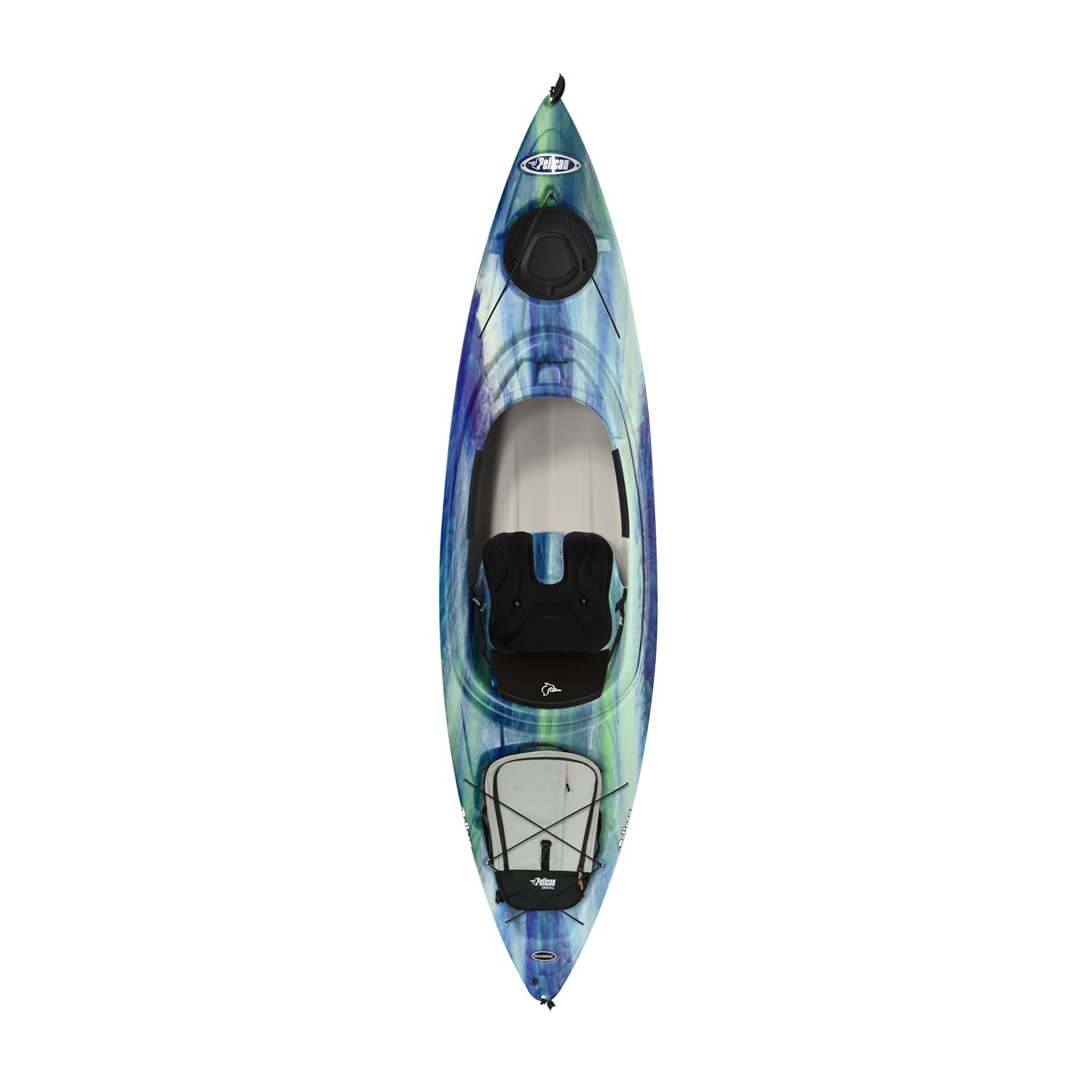
Argo 100X
Keep Reading
Related articles
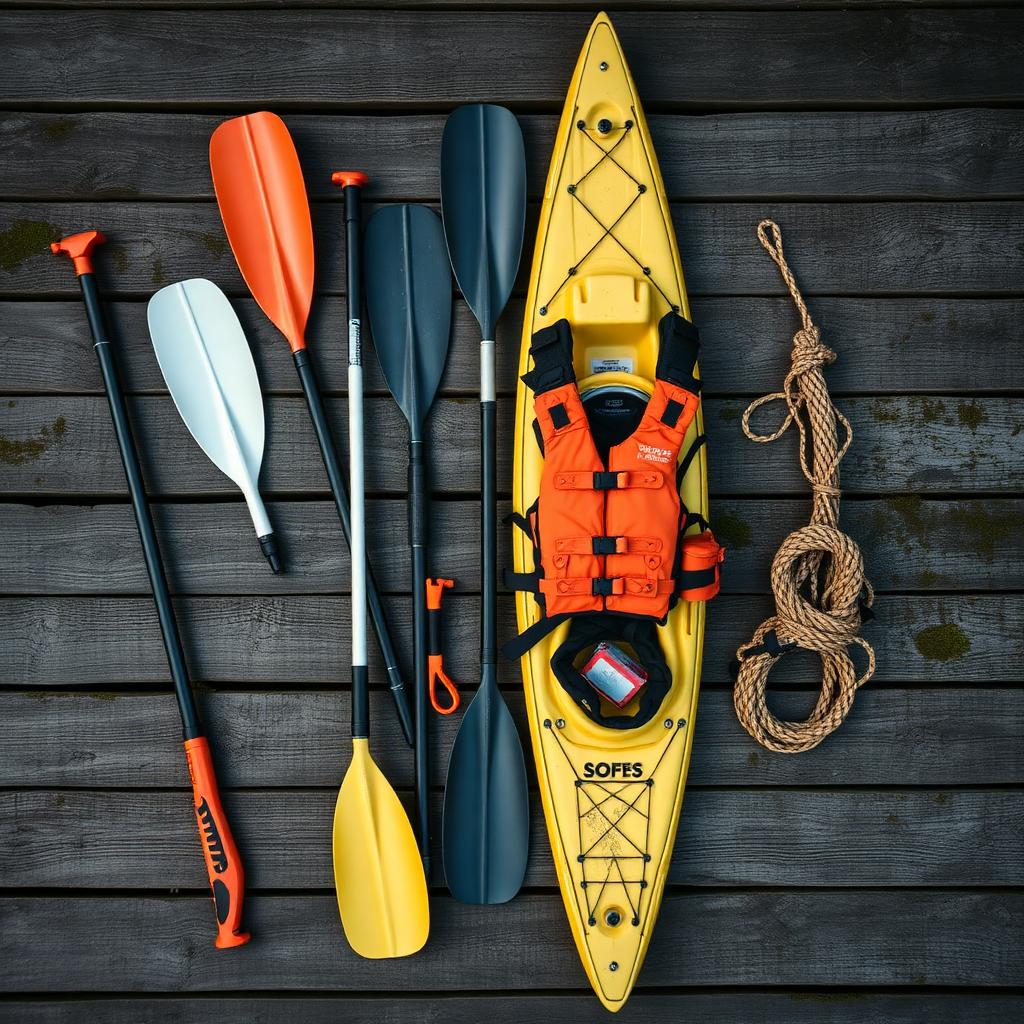
How to Choose a Kayak: The Complete Buyer's Guide
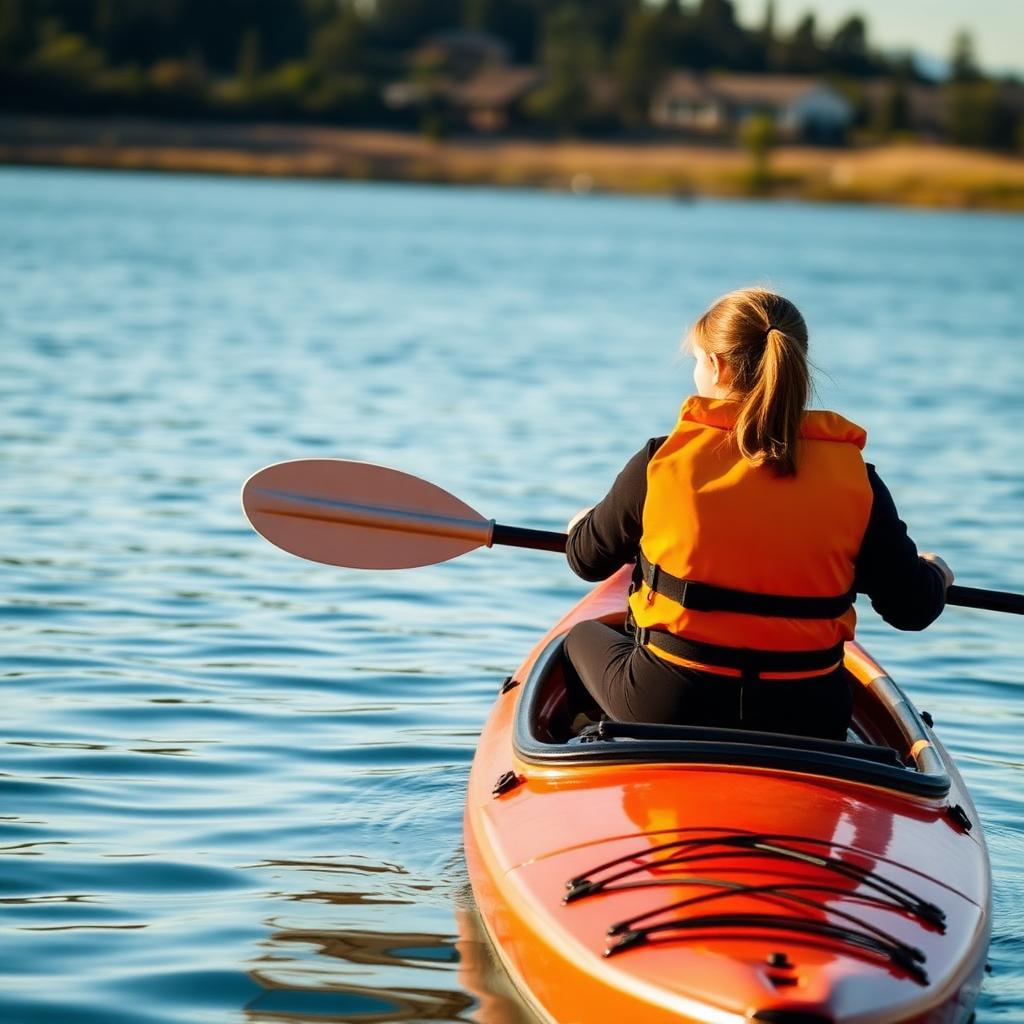
The Best Kayaks for Beginners — And What Actually Matters

Sit-In vs Sit-On-Top Kayaks: Which Is Right for You
Next up: How to Choose a Kayak: The Complete Buyer's Guide, The Best Kayaks for Beginners, and vs Sit-On-Top Kayaks.