How to Store a Kayak: Indoors, Outdoors & Over Winter
How to store a kayak so the hull stays straight and the plastic stays strong: supports, indoor racks, outdoor covers, and winter prep.
This post contains Amazon affiliate links. We may earn a commission if you buy, at no extra cost to you. Read our disclosure.
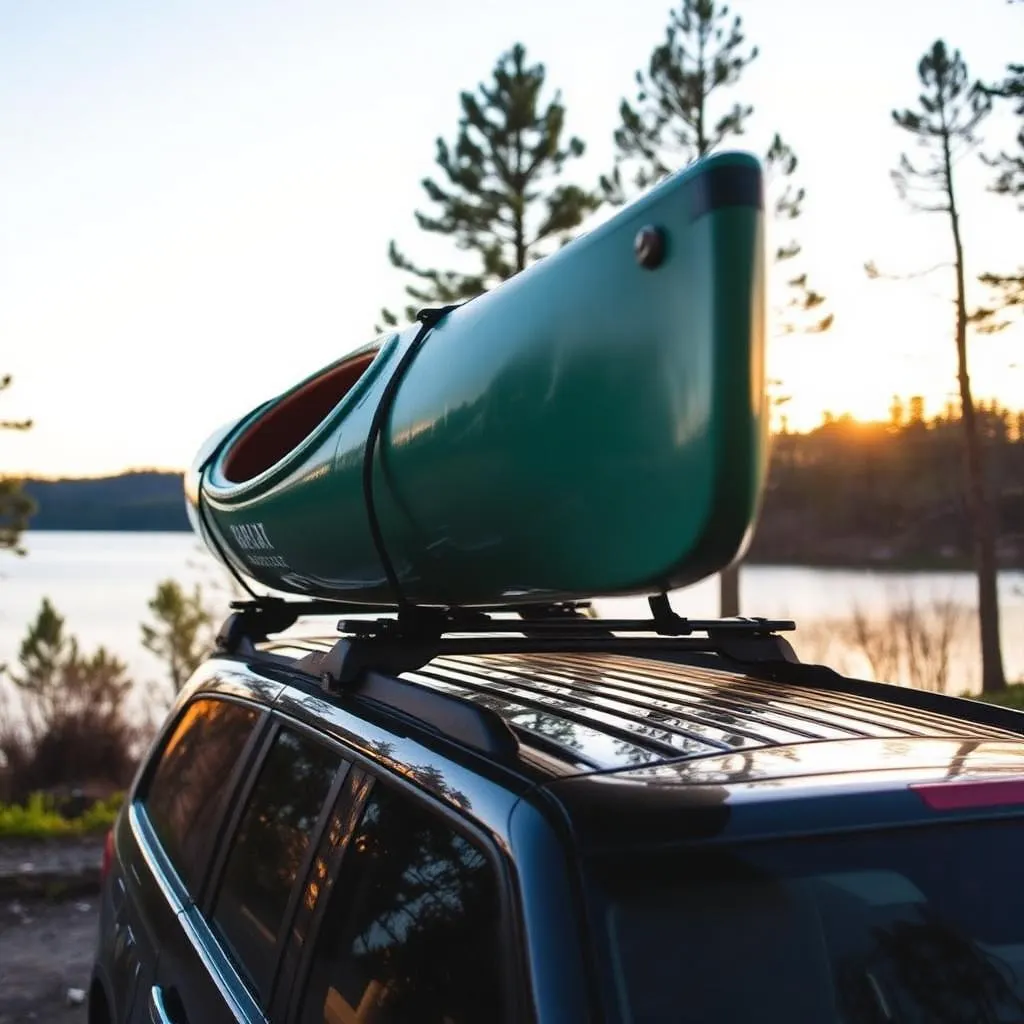
Where and how you store a kayak between trips decides how long the hull stays straight and the plastic stays strong. A polyethylene kayak can last fifteen years or more when it is supported properly and kept out of the sun, and it can warp or crack in a single season when it is not. This guide covers storage only. For getting the boat to the water, see our guides to hauling a kayak in a truck bed and the best kayak roof racks.
The three rules of kayak storage
- Support it correctly. Rest the kayak on its side or upside down, supported at two points roughly one-third and two-thirds along its length. Never leave it flat on its hull on concrete for months; the hull deforms under its own weight (called oil-canning) and may never fully recover.
- Keep it out of the sun. UV light is the number-one enemy of plastic kayaks. Years in direct sun chalk, fade, and weaken polyethylene.
- Keep it clean and dry. Sand, salt, and standing water cause wear, mildew, and in cold climates, freeze damage.
Indoor storage options
A garage, shed, or basement is the best home for most hard-shell kayaks.
Wall cradles
Padded wall-mounted cradles hold the kayak on its side at the strong points of the hull. Space the arms at about one-third and two-thirds of the boat's length, and mount them into studs. This is the most popular option because it keeps the floor clear.
Ceiling hoists and straps
A pulley hoist or wide nylon slings hung from ceiling joists lift the boat out of the way, which is ideal over a parked car. Use straps at least 2 inches wide so the load spreads across the hull, and store the kayak upside down or on its side.
Freestanding racks
Floor racks hold one to four boats and need no drilling, which suits renters. Choose padded arms and check that the rack is rated for the weight of your kayaks.
Apartments and small spaces
Without a garage, store the boat on its side on foam blocks along a wall or behind a couch, or use a vertical rack with the bow on a pad. This is where a folding or inflatable kayak earns its keep, because it packs into a closet.
Wherever it lives, keep the kayak away from furnaces, water heaters, and windows that bake it in afternoon sun.
Outdoor storage done right
Outdoor storage works if you control sun, water, and theft.
- Get it off the ground. Use a rack, sawhorses with padding, or a wall mount. Ground contact traps moisture and invites insects and rodents.
- Block the sun. Store it under a deck, roof overhang, or tarp shelter, or use a breathable, UV-resistant kayak cover. Avoid wrapping a plastic tarp directly on the hull; it traps moisture and can heat the plastic.
- Shed rain. Store it upside down or tilted so water drains rather than pooling in the cockpit.
- Lock it. Run a coated cable lock through a scupper hole, grab handle, or a dedicated security bar and around a fixed post.
- Use a cockpit cover on sit-in kayaks to keep out rain, leaves, and animals.
Storing a kayak over winter
Winter is when most storage damage happens.
- Clean it thoroughly. Rinse off mud, sand, and salt, and clean the hull with mild soap.
- Drain every drop of water. Trapped water freezes, expands, and can crack hulls and fittings. Tip the boat to empty the bow and stern, and open the hatches.
- Dry and vent the hatches. Leave hatch covers loose so air circulates and mildew cannot form.
- Remove soft parts. Take out seat pads, electronics, fish finders, and batteries, and store them indoors.
- Apply UV protectant. A coat of UV protectant on the hull and deck rigging slows sun damage even through winter.
- Store it indoors if you can. Extreme cold makes plastic more brittle, so avoid dropping or loading the boat in freezing temperatures.
- Check it monthly. Look for snow piling inside, pests, or pressure points that are starting to dent.
Storing an inflatable or folding kayak
Rinse and dry an inflatable completely, inside and out, before packing it; a damp inflatable stored in a bag will mildew. Store it loosely rolled or partly inflated at room temperature, away from sharp objects and rodents. For a folding kayak like the Tucktec, rinse the hull, let it dry, and store it folded in its bag in a dry place.
Caring for paddles and gear
Store paddles flat or hanging, out of the sun. Rinse and fully dry PFDs, spray skirts, and dry bags before hanging them up. Our kayak paddle guide and life jacket guide cover gear in more detail.
Common storage mistakes
- Leaning the kayak upright on its stern on concrete for months
- Hanging it from its grab handles or by its cockpit rim, which stresses those points
- Ratchet straps cranked tight on a rack, which can dent the hull over time
- Storing an inflatable damp
- Leaving it in direct sun all summer
Frequently asked questions
Is it bad to store a kayak on its hull?
Over months, yes. Resting on the hull creates flat spots and oil-canning in polyethylene. Store it on its side or upside down on padded supports at roughly the one-third and two-third points along the length.
Can a kayak be stored outside in winter?
It can, if you keep it off the ground, cover it loosely so snow cannot pool inside, and leave the hatches vented rather than sealed. Direct sun does more long-term damage than cold, so shade or a UV-resistant cover matters more than temperature.
Can I store a kayak vertically?
For short periods, yes, if the end rests on a padded surface. For long-term storage, side or upside-down storage on two supports is safer for the hull.
Keep Reading
Related articles
How to Choose a Kayak: The Complete Buyer's Guide

Inflatable vs Hard-Shell Kayaks: What Modern Drop-Stitch Actually Delivers
How to Transport a Kayak in a Truck Bed: 3 Ways That Actually Work
Next up: How to Choose a Kayak: The Complete Buyer's Guide, Inflatable vs Hard-Shell Kayaks, and to Transport a Kayak in a Truck Bed.