Best Kayak Paddles for 2026: Sizing, Materials & Picks
Upgrade your stroke with our expert guide to the best kayak paddles. Learn exact sizing charts, blade materials, and top-tested recommendations.

Most kayakers spend weeks comparing hull shapes, primary stability, and lawn-chair seat cushions while completely ignoring the tool that actually moves them across the water. Swapping out a heavy, entry-level paddle for a balanced mid-range option reduces physical fatigue faster than any hull upgrade ever could. In this guide, we break down the best kayak paddles for 2026, explaining exact sizing mathematics, blade geometry, and real-world performance differences across carbon fiber, fiberglass, and aluminum builds.
Why Your Kayak Paddle Is More Important Than Your Kayak
When you spend a day on the water, you execute roughly 1,000 stroke cycles per mile. In a typical five-mile day trip, that is 5,000 full stroke cycles. If you are using a cheap, stock aluminum paddle that weighs 38 ounces (1,077 grams), you are lifting roughly 11,800 pounds of cumulative deadweight over the course of the day.
Dropping down to a 28-ounce (793 gram) carbon-fiber composite paddle eliminates over 3,000 pounds of lifted weight on that same trip. Beyond sheer weight, blade stiffness determines how efficiently your energy transfers into forward momentum. Flexy plastic blades bow under load, wasting precious leg and core torque. Stiff fiberglass or carbon blades snap into the catch instantly, propelling you forward with far less effort.
Before picking a paddle, examine how you hold your hands and enter the water. Your stroke style directly dictates the blade shape and shaft length you need.
High-Angle vs. Low-Angle Stroke Mechanics
Kayak paddles are split into two core design philosophies: low-angle and high-angle. Choosing the wrong style leads to inefficient tracking, flutter, and shoulder soreness.
Low-Angle Paddling (Touring & Cruising)
Low-angle paddling is the default style for recreational kayakers, distance tourers, and relaxed cruisers.
- Top Hand Placement: Below shoulder height.
- Shaft Angle: Roughly 20 to 30 degrees relative to the waterline.
- Blade Shape: Long, narrow, and asymmetric.
- Performance Characteristics: Low fatigue, relaxed cadence, smooth forward acceleration without splashing. Designed to keep momentum over long distances.
High-Angle Paddling (Speed, Whitewater & Control)
High-angle paddling is favored by aggressive paddlers, ocean kayakers facing surf zones, and anglers needing tight maneuverability.
- Top Hand Placement: Near forehead height.
- Shaft Angle: 45 to 60 degrees relative to the waterline.
- Blade Shape: Short, wide, and spooned or scooped.
- Performance Characteristics: High acceleration, fast cadence, immediate response for quick turns or corrective strokes. Requires more upper-body energy.
Matching blade style to your stroke profile ensures the full surface area enters the water cleanly without dragging or catching air.
Kayak Paddle Sizing Guide (With Sizing Chart)
Selecting the correct paddle length depends on two main variables: your torso height and the overall width of your kayak. A wider kayak requires a longer shaft to clear the gunwales without knocking your knuckles, while a taller paddler needs a longer reach.
If you own a wide sit-on-top fishing platform like the Lifetime Tamarack Angler 100 (31 inches wide) or a Perception Pescador Pro 10 (32 inches wide), you will need a 230 cm to 240 cm paddle. Narrow sit-in kayaks under 26 inches wide pair best with 210 cm to 220 cm lengths.
Here is our definitive sizing breakdown for recreational and touring kayakers using a standard low-angle stroke:
| Paddler Height | Kayak Width: < 23" | Kayak Width: 23" - 28" | Kayak Width: 29" - 33" | Kayak Width: > 33" |
|---|---|---|---|---|
| Under 5'5" | 210 cm | 220 cm | 230 cm | 240 cm |
| 5'6" - 5'11" | 220 cm | 220 cm - 230 cm | 230 cm - 240 cm | 240 cm - 250 cm |
| 6'0" and Over | 220 cm - 230 cm | 230 cm | 240 cm | 250 cm + |
Note for high-seat kayaks: Modern fishing kayaks often feature elevated frame seats that sit 4 to 8 inches above the gunwales. If your kayak features an elevated seating position, add 10 cm to the standard length calculated in the table above.
For a deeper look into hull dimensions and stability traits, read our full how to choose a kayak guide.
Paddle Shaft and Blade Materials Breakdown
Every paddle is a combination of two components: the shaft and the blades. Manufacturers mix materials to balance weight, stiffness, impact durability, and price point.
Shaft Materials
- Aluminum: Standard on budget and inflatable entry packages like the Intex Explorer K2. It is strong, inexpensive, but heavy (36-44 oz total paddle weight) and cold to the touch in lower temperatures.
- Fiberglass: The sweet spot for 80% of recreational paddlers. Offers slight flex to absorb shock on your shoulder joints, stays comfortable in cold weather, and keeps paddle weight around 30-34 oz.
- Carbon Fiber: Ultra-light, extremely rigid, and expensive. Carbon shafts reduce total weight down to 22-26 oz. Ideal for long-distance touring, touring racers, or paddlers with chronic wrist or shoulder strain.
Blade Materials
- Polypropylene / Nylon: Impact-resistant plastic. You can push off rocks or dock pilings without cracking the blade, but it flexes under heavy strokes, causing power leakage.
- Fiberglass-Reinforced Nylon: Stiffer than pure plastic with minimal weight addition. Great value for rocky river runs and everyday touring.
- Full Carbon / Compression-Molded Fiberglass: Rigid, thin-profile blades that sliced cleanly into water. Zero blade flex, maximum efficiency, but susceptible to chipping if slammed hard into submerged boulder beds.
Understanding these trade-offs helps narrow down your choices when picking from the top market contenders.
The Best Kayak Paddles for 2026: Hands-On Reviews
1. Best Overall Recreational Paddle: Werner Skagit FG
- Weight: 34 oz (964g)
- Shaft Material: Carbon / Fiberglass blend
- Blade Material: Fiberglass-reinforced nylon
- Ferrule System: Smart-View Adjustable Button System (15-degree increments)
Werner is widely regarded as the gold standard in paddle craftsmanship, and the Skagit FG delivers mid-tier pricing alongside high-tier performance. Designed specifically for low-angle paddling, its mid-sized blades feature a gentle dihedral crest down the center line, eliminating blade flutter during aggressive pulls.
The Smart-View ferrule design is one of the cleanest in the industry. It conceals the adjustment mechanism inside the shaft, allowing you to feather the blade in 15-degree increments to the left or right without exposed plastic clamps or protruding push-buttons that catch your hands.
- Pros: Exceptionally smooth stroke phase, durable blade construction, clean internal ferrule mechanism.
- Cons: Slightly heavier than pure carbon models.
- Ideal For: Paddlers looking for a long-lasting upgrade for sit-in or recreational sit-on-top boats like the Pelican Argo 100X.
- Check Price: Search for the Werner Skagit FG on Amazon.
2. Best Value Budget Upgrade: Bending Branches Whisper
- Weight: 37 oz (1048g)
- Shaft Material: Anodized Aluminum
- Blade Material: High-impact Polypropylene
- Ferrule System: 2-Piece Snap-Button (0° and 60° options)
The Bending Branches Whisper proves that an entry-level price tag does not have to mean terrible performance. Replacing heavy stock paddles bundled with budget boats like the Intex Challenger K1, the Whisper features an ovalized hand grip area on the shaft, making it far more comfortable to index your blade angle blindly.
While aluminum shafts can feel cold in cold water conditions, the Whisper includes padded rubber grips around the control zones. Its polypropylene blades are flexible enough to take abuse against dock ramps, gravel bars, and concrete launches without cracking.
- Pros: Highly affordable, comfortable rubberized shaft sleeves, practically indestructible blades.
- Cons: Heavier than fiberglass alternatives; snap-button ferrule offers limited angle choices.
- Ideal For: Beginners wanting a noticeable upgrade over basic bundle paddles without breaking $80.
- Check Price: Search for the Bending Branches Whisper on Amazon.
3. Best Ultra-Light Performance Paddle: Aqua-Bound Tango Carbon
- Weight: 23 oz (652g)
- Shaft Material: 100% Carbon Fiber
- Blade Material: Compression-molded Carbon Fiber
- Ferrule System: Posi-Fit Ferrule System
If weight reduction is your top priority, the Aqua-Bound Tango Carbon feels almost weightless in the hand. Weighing just 23 ounces, it cuts upper-body fatigue dramatically on multi-mile coastal and lake tours.
The compression-molded carbon blades feature a slender low-angle profile that enters the water silently. Aqua-Bound’s proprietary Posi-Fit ferrule system uses a dual-button connector that mimics the solid single-piece feel of a fixed paddle while providing infinite angle adjustments.
- Pros: Unmatched ultra-light feel, rigid carbon blade structure, zero play at the ferrule joint.
- Cons: Premium price point; requires cautious handling around sharp rocks.
- Ideal For: Distance touring enthusiasts and paddlers seeking relief from shoulder strain.
- Check Price: Search for the Aqua-Bound Tango Carbon on Amazon.
4. Best Paddle for Kayak Fishing: Bending Branches Angler Classic
- Weight: 34 oz (964g)
- Shaft Material: Fiberglass
- Blade Material: Fiberglass-reinforced Nylon
- Ferrule System: 3-position Snap-Button
Kayak fishing places distinct demands on a paddle. You frequently need to retrieve snagged lures, measure fish across your lap, and propel heavily laden sit-on-top fishing hulls. The Bending Branches Angler Classic addresses all these needs directly.
It features a hook retrieval notch built into the left blade, allowing you to snag lost lures or grab dock cleats without reaching overboard. The fiberglass shaft includes dual laser-etched tape measures in both inches and centimeters. Available in extended lengths up to 260 cm, it easily accommodates high-seated fishing rigs like the Pelican Sentinel 100X Angler or Lifetime Tamarack Angler 100.
- Pros: Built-in lure hook retriever, integrated tape measure, wide length selection up to 260 cm.
- Cons: 3-position snap button lacks granular feathering precision.
- Ideal For: Anglers using wide, sit-on-top kayaks. Check out our comprehensive guide on kayak fishing 101 for setup tips.
- Check Price: Search for the Bending Branches Angler Classic on Amazon.
5. Best 4-Piece / Travel Paddle: Aqua-Bound Manta Ray Hybrid 4-Piece
- Weight: 31.5 oz (893g)
- Shaft Material: Carbon Fiber
- Blade Material: Fiberglass-reinforced AbX Resin
- Ferrule System: Posi-Fit Ferrule System
Inflatable kayak owners often run into a common frustration: their kayak fits neatly inside a trunk backpack, but their 2-piece paddle sticks out the car window. The Aqua-Bound Manta Ray Hybrid 4-Piece solves this issue by breaking down into four distinct sections shorter than 27 inches each.
Unlike cheap 4-piece emergency paddles that wobble at every joint, the Manta Ray uses precision-machined ferrule sleeves that lock together tightly. The blades feature a high-angle geometry designed for deep, vertical strokes, making it easy to drive high-wind inflatable craft like the Sea Eagle 370 or Intex Explorer K2.
- Pros: Packs down small enough for checked airline luggage, rigid carbon shaft, aggressive blade bite.
- Cons: Extra breakdown joints require routine rinse cleaning after saltwater use.
- Ideal For: Traveling kayakers, packrafters, and inflatable boat owners.
- Check Price: Search for the Aqua-Bound Manta Ray Hybrid on Amazon.
Key Features: Ferrule Systems, Shaft Shape, and Feathering
When evaluating paddles, subtle physical details past material selection impact comfort during long sessions.
Ferrule Systems (Joint Locks)
- Snap-Button Ferrules: The traditional mechanism. A spring-loaded metal push pin pops into pre-drilled holes (typically 0° and 60° right/left). Simple and durable, but joints can develop slight wobble over time.
- Dial / Lever-Lock Ferrules: Infinite adjustment mechanisms (like Werner's Smart-View or Aqua-Bound's Posi-Fit) clamp the interior of the shaft uniformly. They eliminate slop, allow custom feathering angles, and prevent sand intrusion.
Straight vs. Bent Shaft
- Straight Shaft: Standard construction. Lighter, less expensive, and gives you total freedom to slide your hand position along the shaft.
- Bent Shaft (Neutral Wrist Alignment): Features ergonomic kinks where your hands grab the paddle. These bends keep your wrists at an strain-free neutral angle through the power phase of the stroke. Highly recommended for paddlers suffering from wrist tendonitis, though they add cost and roughly 2 to 3 ounces of weight.
Blade Feathering
Feathering refers to setting your blades at offset angles relative to each other (e.g., 45° or 60° offset). As your right blade pulls through the water, the left blade cuts through headwind flat-edge forward.
Unfeathered (0°) settings are easiest for beginners because both blades align identically. As your stroke mechanics improve in windy conditions, introducing 30° or 45° feathering reduces upper-body wind drag substantially.
Maintenance and Care for Long-Lasting Performance
A quality fiberglass or carbon paddle will last decades if maintained properly:
- Rinse Ferrule Joints After Saltwater Use: Salt crystals and micro-sand build up inside ferrule sleeves. Separate your 2-piece paddle after every saltwater trip and flush the interior connection joints thoroughly with fresh water.
- Store Un-cocked / Un-clamped: Avoid storing adjustable lever-lock paddles in the fully clamped position for long periods. Store the paddle un-clamped or separated to preserve plastic spring tension.
- Avoid Using Your Paddle as a Push-Pole: Pushing heavy sit-on-top hulls off concrete launches or rocky shores using the blade tip creates micro-fractures in composite materials. Use your hands on the dock or purchase a dedicated stakeout pole.
- Protect From UV Exposure: Prolonged direct sunlight breaks down resin binders over time. Store your paddle indoors or inside a gear bag along with your kayak. Read our guide on how to transport and store a kayak for proper gear storage techniques.
Ensure you also carry fundamental safety equipment, such as a USCG-approved life jacket and sound device, every time you hit the water. Review our kayak safety essentials checklist before heading out.
The bottom line
Upgrading your paddle is the single most cost-effective performance upgrade you can make to your kayaking setup. If you are on a tight budget, the Bending Branches Whisper provides outstanding indexing and structural durability for under $80. For the absolute best balance of weight, structural stiffness, and feathering versatility, the Werner Skagit FG stands out as our top pick for 2026. Prioritize correct sizing based on hull width, match your stroke angle to blade geometry, and enjoy noticeably lighter strokes on your next session.
Frequently asked questions
What length paddle do I need for a 30-inch-wide kayak?
For a 30-inch-wide recreational hull, most paddlers are correct at 230 cm to 240 cm. Go to the longer end if you sit high on a fishing seat or use a relaxed low-angle stroke, and to the shorter end if you are under 5'6" or paddle with a high-angle, more vertical stroke.
Is a carbon paddle worth the extra money?
If you paddle more than a few times a month, yes. A carbon shaft saves roughly 8 to 12 ounces over fiberglass, and because you lift the paddle around 1,000 times per hour that weight compounds into noticeably less shoulder fatigue. For occasional trips, a fiberglass paddle like the Werner Skagit FG delivers most of the benefit for far less.
Should I feather my blades?
Feathering (offsetting the blades by 15 to 60 degrees) reduces wind resistance on the recovery blade and is worth learning for open-water paddling. Start at 0 degrees while you build a consistent stroke, then try 30 degrees; every paddle recommended here has an adjustable ferrule so you can change your mind.
Related Kayaks
Kayaks that pair with this guide
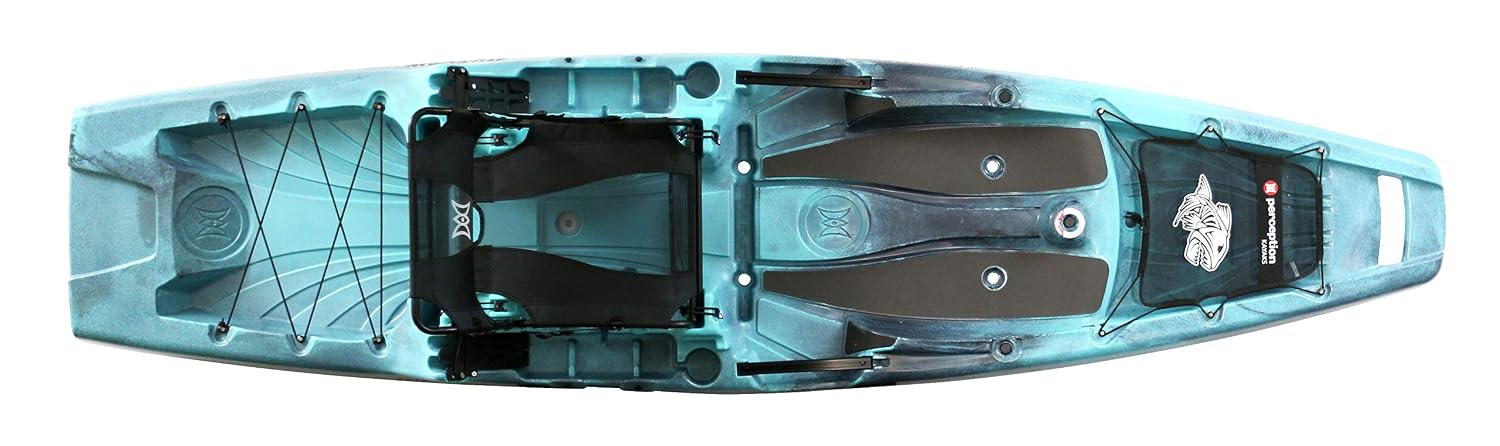
Pescador Pro 10.0

Catch Mode 110

Pungo 120
Keep Reading
Related articles

Best Pedal Kayak Guide (2026): Top Hands-Free Models
The Best Fishing Kayaks (2026 Guide)

The Best Inflatable Kayaks of 2026: Top Portable Picks
Next up: Best Pedal Kayak Guide (2026): Top Hands-Free Models, The Best Fishing Kayaks, and Top Portable Picks.