How to Choose a Kayak: The Complete Buyer's Guide
Everything to consider before you spend a dollar: hull type, sit-in vs sit-on-top, materials, sizing, and the four questions that decide the boat for you.
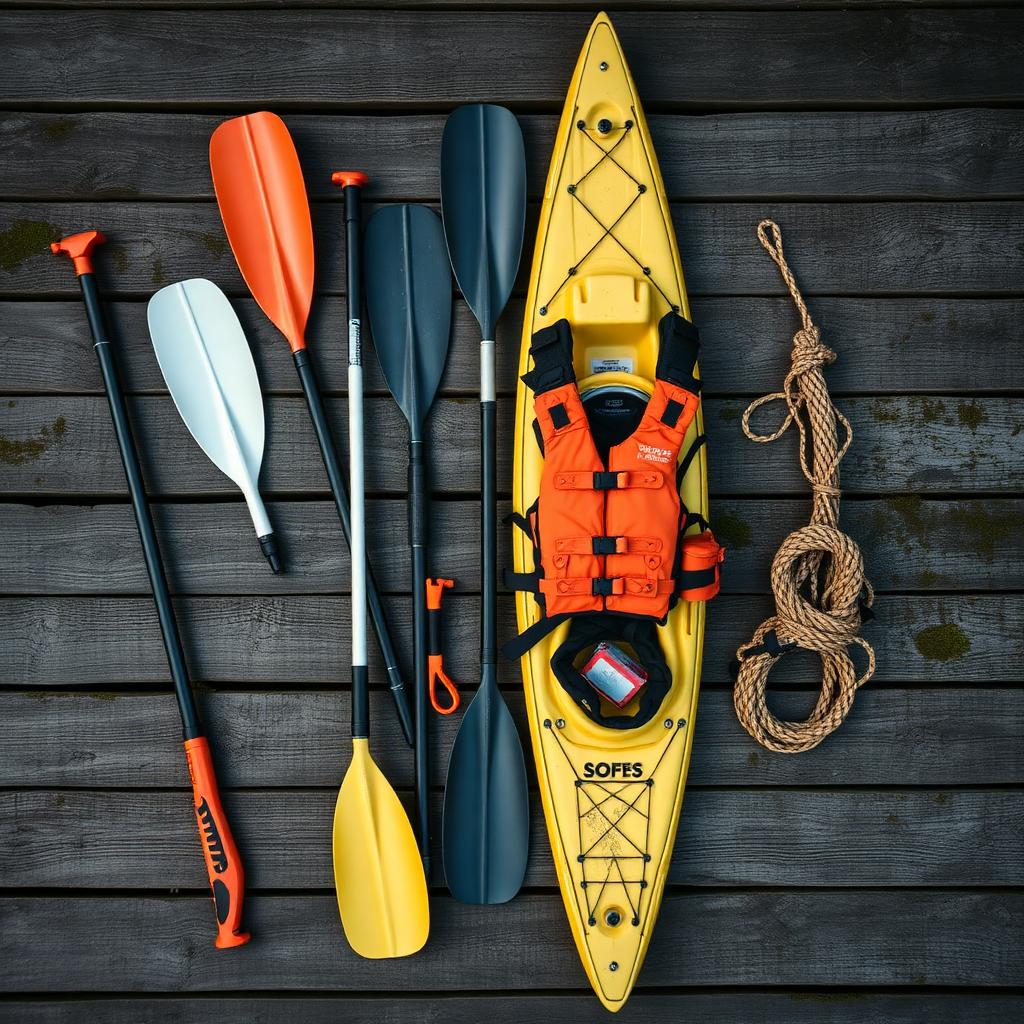
Start with where you paddle
Every good kayak recommendation starts with the same question: where will you actually paddle? Not where you dream of paddling one day. Where the boat will live and where it will get wet, in the next twelve months.
The honest answer decides almost everything else. A calm-water recreational paddler and a coastal touring paddler are shopping for different tools, at different price points, in different shapes.
The four questions that decide your kayak
- Where? — Flatwater lakes, slow rivers, tidal coast, open ocean, whitewater
- Who? — Just you, or a partner, kids, a dog
- What is on board? — Fishing rods, camping gear, a camera, nothing
- How do you get it there? — Roof rack, garage, apartment closet, storage locker
Once you can answer those four in one sentence, you have narrowed the field from 300 boats to about a dozen.
Sit-in versus sit-on-top
The biggest single choice. Sit-in kayaks put you inside a cockpit, keeping you drier and lower — better in cold water, better in wind. Sit-on-top kayaks put you on an open deck — easier to enter, better in warm water, better for fishing. Neither is objectively better; they solve different problems.
Hull length
Longer hulls track straighter and are faster. Shorter hulls turn quicker and store easier. For a first boat, 10–12 feet is the sweet spot for most paddlers. Go shorter only for whitewater or extreme storage constraints; go longer only if you plan to cover distance.
Material
Rotomolded polyethylene is the workhorse — heavy but nearly indestructible. Thermoformed plastics are lighter and stiffer at a premium. Composite (fiberglass, kevlar) is the lightest and stiffest but expensive and less forgiving of rocks. Inflatable drop-stitch is a serious modern category, especially for anyone with storage constraints.
The single most common mistake
Buying too much kayak. A first-time paddler with a 16-foot touring hull will have a bad first day; a first-time paddler with a stable 10-foot rec boat will fall in love with the sport. Buy for who you are now, not who you might be in three years — you can always upgrade.
Frequently asked questions
What size kayak should a beginner buy?
A 10 to 12 foot recreational kayak fits almost every beginner. It tracks well enough for lakes and slow rivers, turns easily, and still fits on a roof rack or in a truck bed. Save 14-foot-plus touring hulls until you know you want distance paddling.
How much should I spend on my first kayak?
Plan on $300 to $700 for the boat, plus roughly $150 for a PFD, paddle, and basic safety gear. That range buys a durable polyethylene hull with a real seat — the two things that decide whether you keep paddling.
Is a sit-in or sit-on-top kayak better for a first boat?
Sit-on-top for warm water, fishing, and anyone nervous about being enclosed; sit-in for cool weather, wind, and drier paddling. Both are easy to learn — sit-on-top just has the shorter learning curve if you capsize.
Related Kayaks
Kayaks that pair with this guide
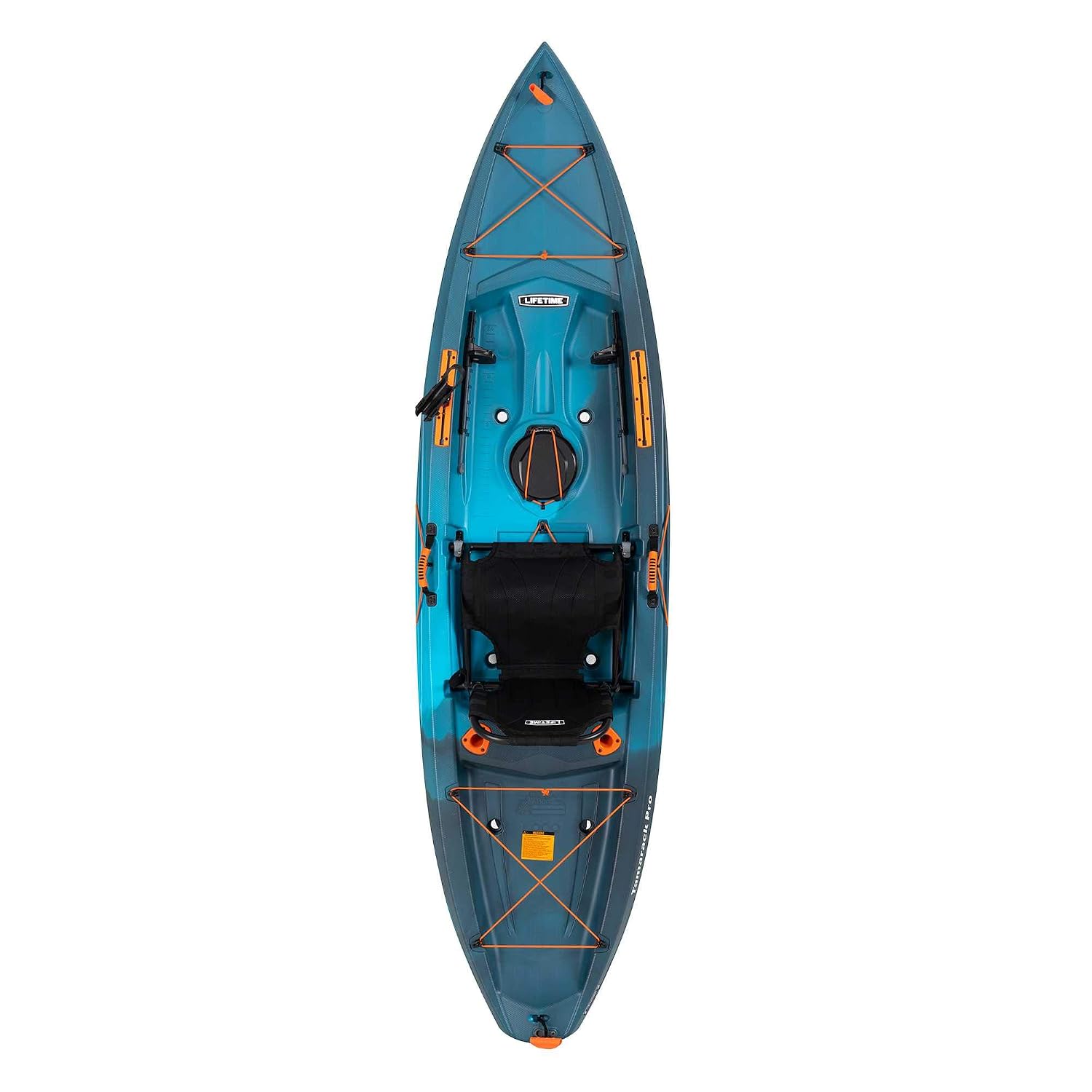
Tamarack Angler 100

Malibu 9.5
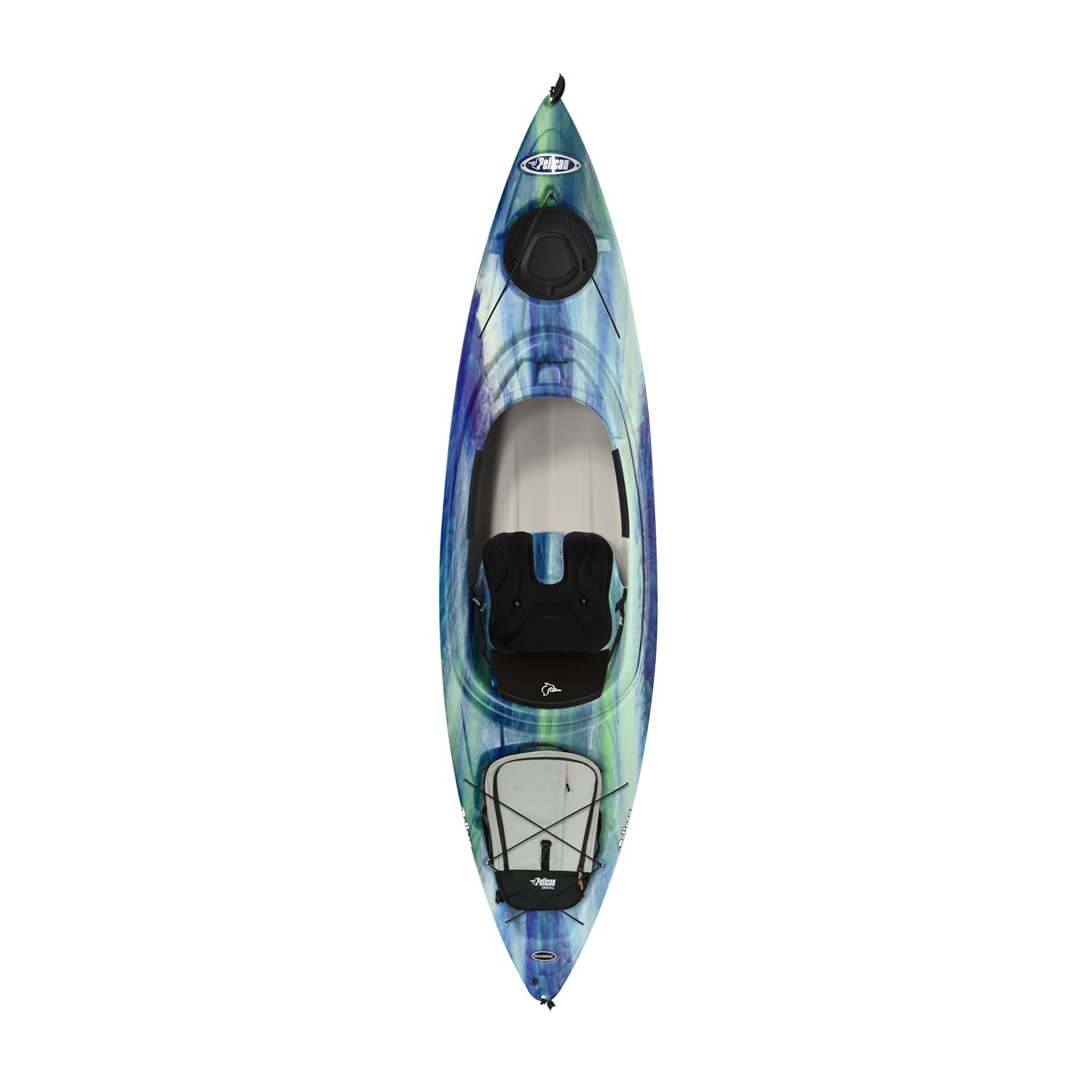
Argo 100X
Keep Reading
Related articles
The Best Kayaks for Beginners — And What Actually Matters

Sit-In vs Sit-On-Top Kayaks: Which Is Right for You

Whitewater, Recreational, and Touring: Kayak Types Explained
Next up: The Best Kayaks for Beginners — And What Actually Matters, Sit-In vs Sit-On-Top Kayaks, and Kayak Types Explained.