Best Kayak Life Jackets (PFDs) of 2026: Tested & Reviewed
Discover the best kayak life jackets for 2026. We test top high-back, ventilated, and fishing PFDs for maximum comfort, safety, and range of motion.

A ill-fitting life jacket will ruin a day on the water faster than a headwind, causing arm chafing and awkward seat interference. The best kayak life jackets feature high-back foam profiles, oversized armholes, and targeted ventilation so you can paddle comfortably for hours. In this guide, we break down top-performing PFDs across every paddling category to help you stay safe and mobile on the water.
Why Kayak-Specific PFDs Are Non-Negotiable
Standard Type III life jackets bought at big-box retail stores are designed for general boating, not continuous rotational arm movement. When you sit in a kayak, standard vest foam rides up into your chin and presses uncomfortably against lawnmower-style seat backs. Dedicated paddling PFDs solve these ergonomic issues through key structural modifications.
- High-back mesh design: Foam is concentrated on the upper shoulders, while the lower back features breathable mesh that clears high-backed lawn chair kayak seats.
- Deep arm cutouts: Arm openings are carved deep along the lateral torso, allowing a full 360-degree paddle rotation without skin chafing.
- Sculpted chest panels: Multi-panel foam flexes around your torso rather than sticking out like a rigid block.
- Targeted storage: Dedicated pockets, lash tabs, and gear loops hold radios, pliers, and whistle safety accessories directly on your chest.
Wearing a properly fitted PFD is the single most effective decision you can make on the water. According to Coast Guard boating statistics, over 85% of drowning victims in recreational boating accidents were not wearing a life jacket. Pairing a reliable vest with standard kayak safety essentials keeps you protected across calm lakes, moving rivers, and coastal waters.
Top 5 Kayak Life Jackets Tested & Reviewed
1. NRS Chinook Fishing PFD – Best Overall for Anglers
The NRS Chinook remains the gold standard for kayak fishing safety and utility. Built around a durable 200-denier ripstop nylon shell, this USCG Type III vest features 16.5 lbs of flotation concentrated in a high-back profile. The lower mesh back fits perfectly against tall lawn-chair seats, ensuring you don't push forward while pedaling or paddling.
Storage on the Chinook is unmatched. It sports two large zippered tackle box pockets, two smaller accessory pockets, a integrated rod holder loop, and a dedicated coil tool retractor attachment point. The interior PlushFit foam contours to your body shape over time, while seven adjustment points let you lock down a tight, custom fit. If you fish out of a feature-packed sit-on-top hull like the Perception Pescador Pro 10 (available on Amazon), this jacket matches your setup seamlessly. Check out our complete guide to kayak fishing 101 to optimize your rig. You can browse current pricing for the NRS Chinook PFD on Amazon.
- Buoyancy: 16.5 lbs
- Weight: 2.15 lbs
- Key Feature: 7 front pockets + high mesh back
- Best For: Dedicated kayak anglers
2. Astral V-Eight – Best High-Ventilation Touring PFD
If you paddle in hot weather or push long miles on open water, heat accumulation inside a foam vest becomes a real issue. The Astral V-Eight addresses heat using Astral's proprietary AireScape architecture—a grid of molded air channels and perforated foam that forces heat and moisture out through exterior mesh panels. Weighing just 1.22 lbs, it is one of the lightest full-featured Type III jackets on the market.
The V-Eight uses a front-zip, high-back layout with 16.0 lbs of PVC-free Gaia foam flotation. Its pre-curved foam panels wrap securely around your ribs without feeling restrictive during power strokes. It pairs exceptionally well with sleek sit-in touring hulls like the Pelican Argo 100X (Amazon). If you want to know more about hull shapes before buying, read our how to choose a kayak buyers guide. Look for the Astral V-Eight on Amazon.
- Buoyancy: 16.0 lbs
- Weight: 1.22 lbs
- Key Feature: Breathable AireScape architecture
- Best For: Summer touring and warm-weather paddling
3. NRS Ninja Kayak PFD – Best Low-Profile & High-Mobility
For paddlers who hate the feel of bulk around their ribcage, the NRS Ninja is an exceptional solution. Designed originally for freestyle kayakers, the Ninja condenses its 16.3 lbs of flotation into a short, central chest panel. This low-profile layout leaves your arms, shoulders, and lower torso completely free to move without any material rub.
The side-entry design uses quick-release buckles, making it easy to slip on over drysuits or thermal layers. It features a fleece-lined hand warmer pocket behind the main chest pocket, along with a front lash tab for emergency knives. The Ninja's short torso cut is ideal for shorter paddlers or anyone operating nimble inflatable boats like the Sea Eagle 370 (Amazon) or Intex Explorer K2 (Amazon). Explore more options in our best inflatable kayaks review. Find the NRS Ninja PFD on Amazon.
- Buoyancy: 16.3 lbs
- Weight: 2.10 lbs
- Key Feature: Concentrated front chest panel
- Best For: Athletic paddling, inflatable kayaks, short torsos
4. Onyx Move Vent Dynamic – Best Value High-Back PFD
You do not need to spend top dollar to get a comfortable, kayak-specific PFD. The Onyx Move Vent Dynamic delivers high-end design features—including a high-mesh back panel and sculpted shoulder pads—at a fraction of the cost. Constructed from 200-denier nylon, it offers 15.5 lbs of reliable Type III flotation.
The jacket incorporates heavy-duty ventilation mesh along the lower spine and lower chest to vent trapped body heat. Expanding zippered pockets accommodate small tackle boxes or smart phones, while dual shoulder adjustments keep the shoulder pads positioned correctly. It fits well on budget-friendly sit-on-top fishing rigs such as the Lifetime Tamarack Angler 100 (Amazon) or the Pelican Sentinel 100X Angler (Amazon). You can check out the Onyx Move Vent on Amazon.
- Buoyancy: 15.5 lbs
- Weight: 1.50 lbs
- Key Feature: Mesh ventilation back under $60
- Best For: Recreational paddlers on a budget
5. Stohlquist Fit Kayak PFD – Best Bulk & Family Option
If you need to outfit multiple family members or keep spare jackets for guests, the Stohlquist Fit provides reliable safety without sacrificing basic ergonomics. Unlike cheap universal vests that ride high, the Fit utilizes a thin-back foam panel positioned upper-spine high, leaving the lower back open for kayak backrests.
The open-sided construction uses three side-adjustment straps to accommodate a wide range of chest sizes (from 30 to 52 inches depending on size choice). Its 200D oxford shell handles rough outdoor abuse and UV rays reliably. This vest works great across popular recreational tandems like the Ocean Kayak Malibu Two (Amazon) or entry-level solo crafts like the Intex Challenger K1 (Amazon). Check options for the Stohlquist Fit PFD on Amazon.
- Buoyancy: 16.0 lbs
- Weight: 1.20 lbs
- Key Feature: Wide fit range with thin upper back
- Best For: Families, guests, and recreational touring
Comparison Table
| Model | USCG Type | Buoyancy | Weight | High Mesh Back? | Entry Style |
|---|---|---|---|---|---|
| NRS Chinook | Type III | 16.5 lbs | 2.15 lbs | Yes | Front Zip |
| Astral V-Eight | Type III | 16.0 lbs | 1.22 lbs | Yes | Front Zip |
| NRS Ninja | Type III | 16.3 lbs | 2.10 lbs | No (Low-Profile) | Side Buckle |
| Onyx Move Vent | Type III | 15.5 lbs | 1.50 lbs | Yes | Front Zip |
| Stohlquist Fit | Type III | 16.0 lbs | 1.20 lbs | Partial Thin Back | Front Buckle |
Key Features to Look For When Buying
Selecting the right life jacket comes down to matching the jacket's geometry with your kayak's seating system and your activity type. Here are the core technical specifications you should evaluate:
- Back Profile Geometry: Standard sit-on-top kayaks with raised frame seats require a high-mesh back panel. If the jacket's foam extends down to your waist, the seat back will push the jacket up into your neck every time you lean back.
- Foam Material (PVC vs. Gaia/EPE): Ethylene-vinyl acetate (EVA) and PVC foam offer durable flotation at lower prices. Non-PVC Gaia foam is lighter, more flexible, and environmentally friendly, conforming faster to your chest profile.
- Adjustment Point Count: Look for PFDs with at least six cinch points—two waist straps, two torso straps, and two shoulder straps. This lets you tailor the torso circumference independently from the vertical height.
- Lash Tabs and Attachment Hardware: If you carry gear like radio clips, tethered pliers, or emergency whistles, look for square rubber lash tabs on the chest upper chest panels.
- Buoyancy Ratings: USCG Type III inland paddling vests require a minimum of 15.5 lbs of buoyancy for adults. Higher buoyancy (16.5 lbs+) helps heavier paddlers or those wearing full cold-water immersion gear float higher in choppy waters.
Matching your vest to your overall paddling setup keeps you comfortable all day long. Make sure to pair your safety gear with an efficient paddle from our best kayak paddles list, and review proper gear storage in our guide on how to transport and store a kayak.
How to Properly Fit and Adjust Your Kayak Life Jacket
A life jacket only works if it stays positioned correctly on your torso during a swim. Follow these four steps to adjust your PFD before launching:
- Loosen All Straps: Unbuckle or unzip the jacket and completely slacken all side, waist, and shoulder webbing straps.
- Fasten the Front Zip/Buckles: Put the jacket on and secure the primary front zipper or entry buckles from bottom to top.
- Cinch Bottom to Top: Tighten the waist belt straps first. Next, cinch the lateral torso straps on both sides evenly. Save the shoulder straps for last—tightening shoulders first pulls the jacket upward out of alignment.
- Perform the Shoulder Tug Test: Have a partner grab the shoulder straps of your PFD and pull straight up firmly. If the vest slides up past your chin or nose, tighten the side cinches further. If it still slides up, the vest torso is too large.
Always test your fitted jacket while seated inside your kayak cockpit or frame seat. Check for seat interference before paddling off. Understanding how your seat height interacts with your jacket varies between setups; read our guide comparing sit-in vs sit-on-top kayaks for additional seating insights.
Frequently asked questions
What is the difference between a standard life jacket and a kayak PFD?
Standard life jackets designed for general boating have bulky foam across the shoulders and chest, which restricts arm rotation and pushes your head forward against high-backed kayak seats. Kayak-specific personal flotation devices (PFDs) feature oversized arm openings, narrow side profiles, and raised rear foam panels or breathable mesh lower backs. This specialized design prevents chafing during thousands of paddle strokes and keeps you comfortable against tall stadium seats.
Can I use an inflatable life jacket for all types of kayaking?
Inflatable life jackets are great for calm, warm-weather flatwater paddling because they offer extreme breathability and low bulk. However, they are not suitable for whitewater, offshore ocean touring, or beginner paddlers who may panic during a capsize. Inflatable PFDs require manual or automatic deployment and regular maintenance of CO2 cartridges, whereas foam PFDs provide instant, zero-effort buoyancy the second you hit the water.
How do I know if my kayak life jacket fits properly?
A properly fitted kayak life jacket should sit snug around your torso without restricting your breathing or digging into your armpits. To test the fit, tighten the waist and side straps first, then pull upward on the shoulder straps while sitting in your kayak seat. If the jacket slides up toward your chin or ears, tighten the side adjustments or try a smaller size.
How often should I replace my kayak life jacket?
Most foam kayak life jackets last between five and ten years depending on UV exposure, saltwater usage, and storage conditions. You should immediately replace your PFD if the outer fabric shows tears, the buckles are cracked, or the interior foam feels brittle, crushed, or permanently compressed. Regularly testing your vest in shallow water at the start of each season ensures the foam still provides adequate buoyancy.
The bottom line
Investing in a high-quality, kayak-specific life jacket guarantees safety without hindering your performance on the water. For dedicated anglers, the feature-rich NRS Chinook provides essential storage and back clearance. Warm-weather touring paddlers will appreciate the lightweight airflow of the Astral V-Eight, while budget-conscious recreational kayakers can rely on the Onyx Move Vent. Select the model that matches your seating setup, dial in the fit using the shoulder tug test, and keep your vest buckled on every trip.
Related Kayaks
Kayaks that pair with this guide
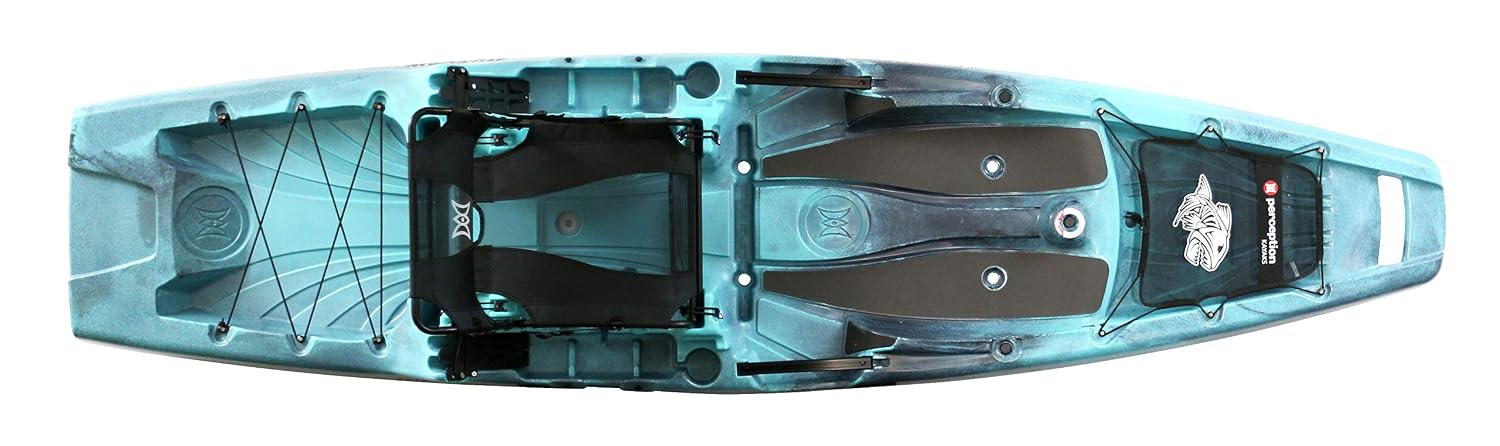
Pescador Pro 10.0

Pungo 120

Catch Mode 110
Keep Reading
Related articles

The Best Inflatable Kayaks of 2026: Top Portable Picks

Best Kayak Seats of 2026: Upgrade Your Comfort on the Water

The Best Lightweight Kayaks of 2026: Easy to Lift & Launch
Next up: The Best Inflatable Kayaks of 2026: Top Portable Picks, Best Kayak Seats of 2026, and Easy to Lift & Launch.