The Best Fishing Kayaks (2026 Guide)
What makes a great fishing kayak — stability, rod storage, mounting real estate, and the models we recommend for anglers in 2026.
The Best Fishing Kayaks (2026 Guide)
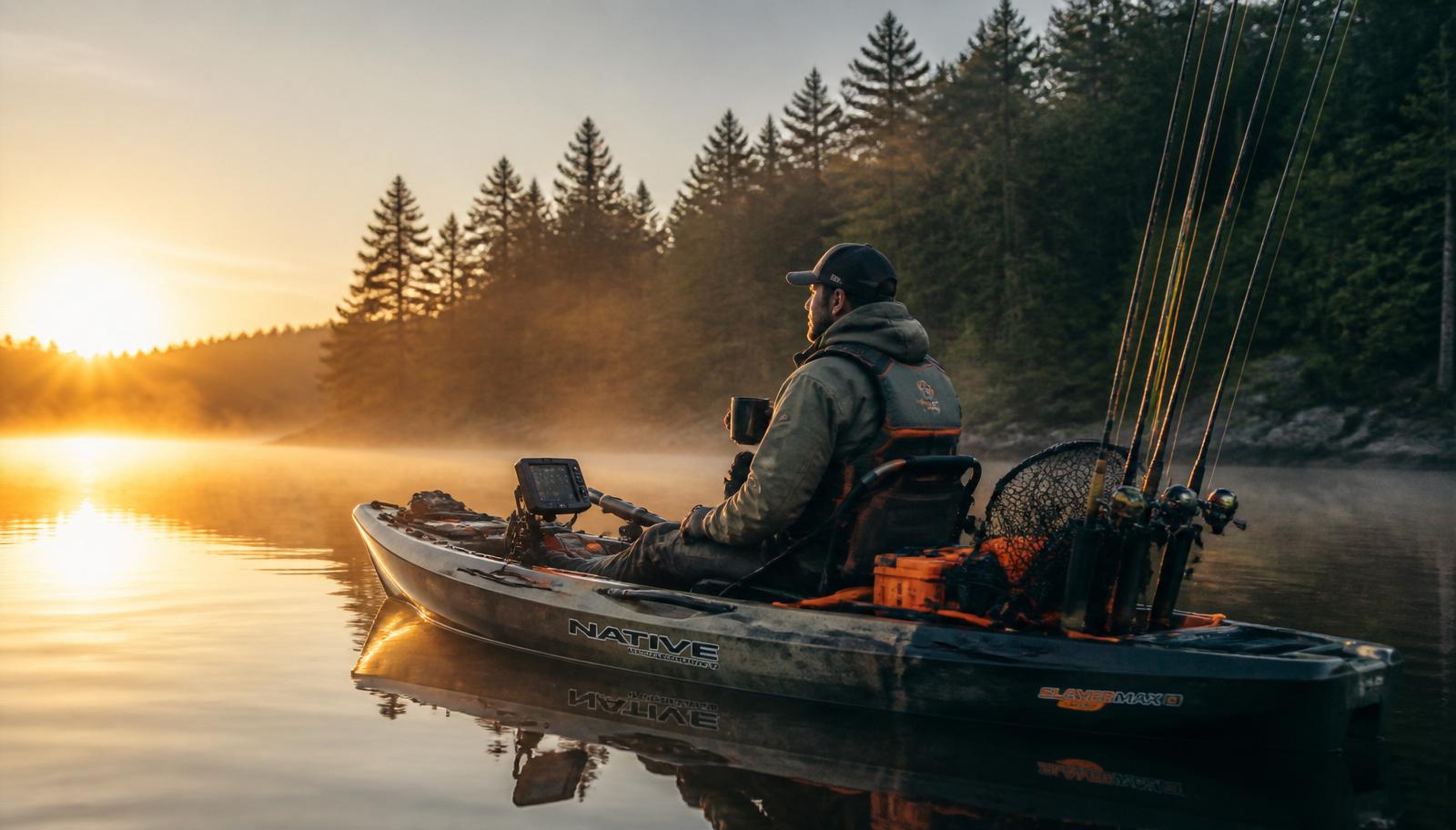
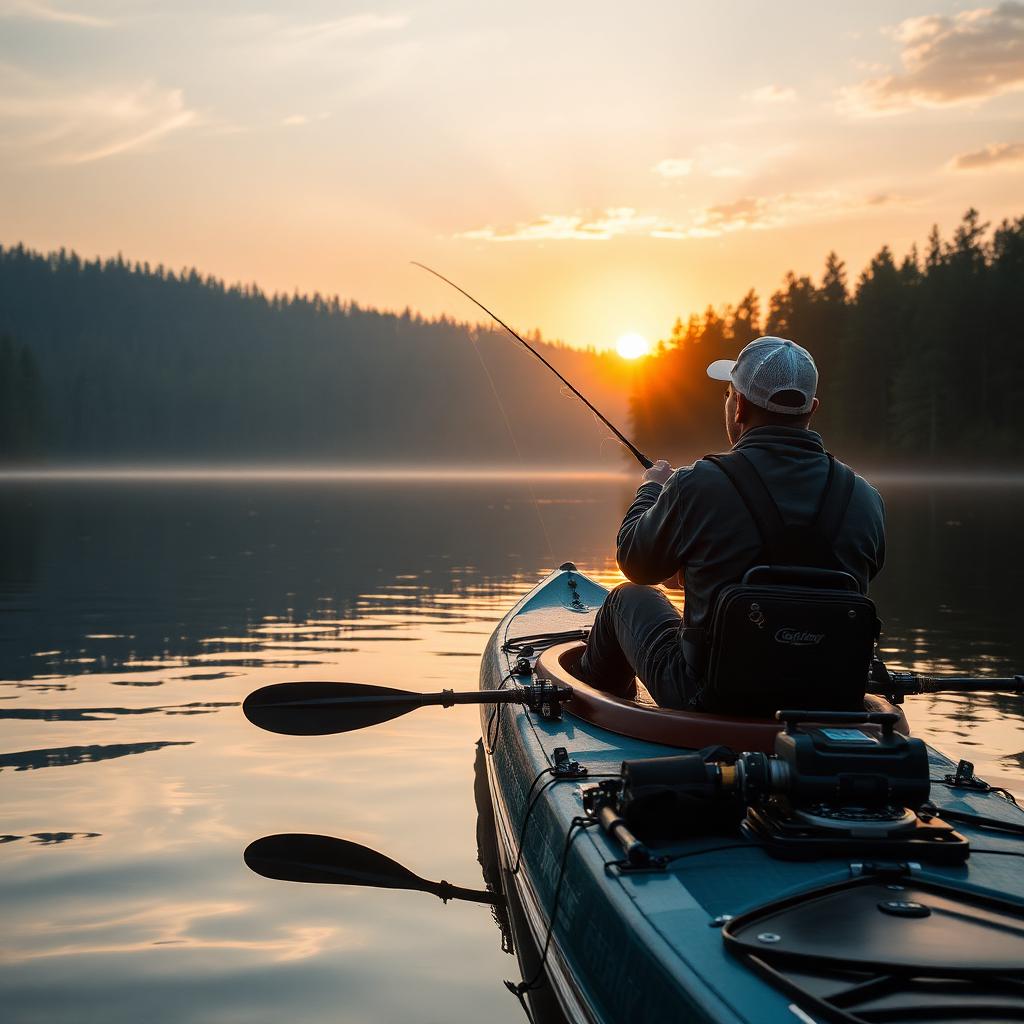
A fishing kayak is a very different tool from a recreational or touring kayak. You spend most of the day sitting still, casting, fighting fish, and reaching for gear — not paddling in a straight line. The best fishing kayaks trade a little speed for a lot of stability, storage, and mounting real estate.
This guide walks through what actually matters when you shop for a fishing kayak, then points to the specific hulls in our top-10 list that anglers will love.
What makes a great fishing kayak
Primary stability. A wide, flat hull (typically 32–36 inches at the beam) lets you shift your weight, land a fish, or even stand up to sight-cast without flipping. This is the single most important trait for anglers, and it is the reason most fishing kayaks feel slower than a touring hull.
Rod storage. Look for at least two flush-mount rod holders behind the seat for trolling, plus one adjustable rod holder in front for active casting. Anglers who run bait rods and jigging rods together want four or more mounts.
Accessory rails. Modern fishing kayaks include Scotty, RAM, or track-style rails on the gunwales so you can add a fish finder, GoPro, cup holder, camera arm, or landing net without drilling into the hull. If a hull ships without rails, factor in the cost of aftermarket mounts.
Weight capacity. A fishing kayak carries your body plus a battery, cooler, tackle boxes, anchor, and (often) a stringer of fish. Add 60–80 lb to your body weight and make sure the hull is rated well above that number — running near max capacity kills stability.
Sit-on-top vs sit-in. Almost every dedicated fishing kayak is sit-on-top. Self-bailing scupper holes drain water that splashes in during a fight, and standing up is only realistic on an open deck. Sit-in fishing kayaks exist for cold-water paddlers, but for most anglers, sit-on-top is the right answer.
Hands-free propulsion. Pedal-drive fishing kayaks (Hobie MirageDrive, Old Town PDL, Native Propel) let you fight fish, cast, or work a rod without setting your paddle down. They cost more, but for serious anglers they are life-changing.
Our recommended fishing kayaks
From our top-10 list, these four hulls are purpose-built for fishing — and they cover four different kinds of angler.
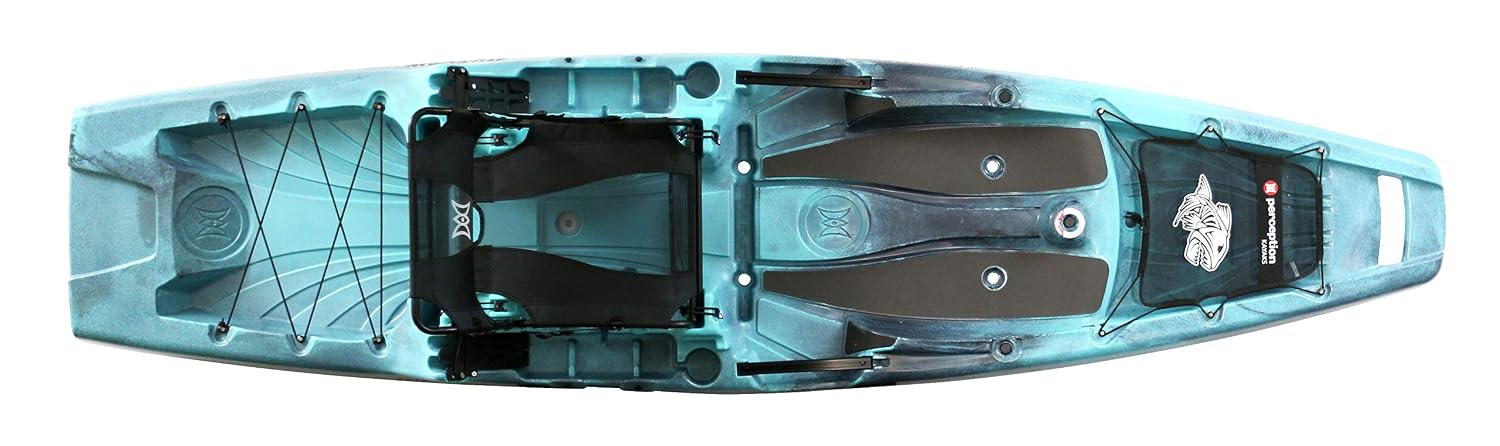
1. Perception Pescador Pro 10.0 — best overall fishing kayak
Our #1 pick overall is also the best all-around fishing kayak on our list. The 33-inch beam is stable enough to stand and sight-cast, the adjustable lawn-chair seat keeps you comfortable for a full day on the water, and it ships with two flush-mount rod holders plus a center console for a fish finder battery. At ~10 feet it tracks better than most short fishing hulls, which matters when the wind picks up on a lake. See the full Perception Pescador Pro 10.0 review.
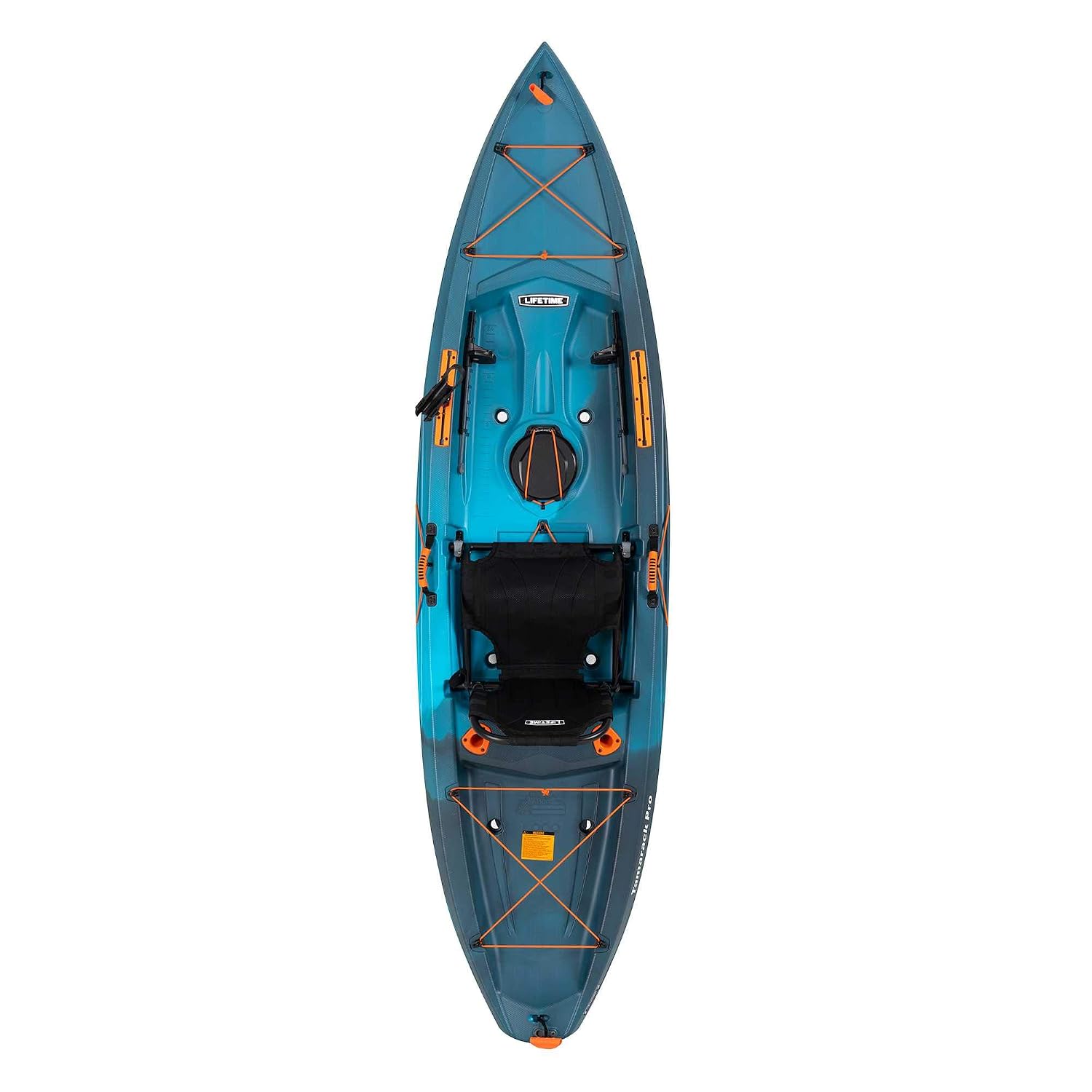
2. Lifetime Tamarack Angler 100 — best budget fishing kayak
If you are getting into kayak fishing for under $700, the Tamarack Angler is the smart pick. Three flush-mount rod holders (two behind, one in front), a wide flat hull, and moulded paddle keepers cover everything a beginner angler needs. It is heavier than the Pescador and slower to paddle, but for pond and small-lake fishing it is nearly impossible to flip. Read the Lifetime Tamarack Angler 100 review.
3. Pelican Sentinel 100X Angler — best lightweight fishing kayak
The fishing kayak you actually use is the one you can load by yourself. At roughly 44 lb the Sentinel 100X is one of the lightest true angler hulls on the market, thanks to Pelican's stiffer multi-layer RAM-X shell, and it still carries 275 lb of paddler and gear. You get two flush-mount rod holders, a swivel holder for active casting, and a removable rear tackle compartment. The 30-inch beam is too narrow to stand and cast, so this is a seated-fishing boat — but it is the easiest of the four to car-top and launch alone. Read the Pelican Sentinel 100X review.
4. Pelican Catch Mode 110 — best stand-up fishing platform
If you want to stand up to sight-cast or fly-fish, this is the one. The Catch Mode 110 uses a broad, flat tunnel hull that stays planted when you get to your feet, and its elevated ErgoCast mesh seat lifts you clear of the deck so your legs stay dry and your casting arc stays clean. Two flush rod holders, a large rear tankwell and a bow hatch handle a full day of tackle. At about 75 lb it is the heaviest boat here, so budget for a cart. Read the Pelican Catch Mode 110 review.
Which one should you buy?
- You want one boat that does everything well: Pescador Pro 10.0.
- You want to spend the least and still fish properly: Tamarack Angler 100.
- You load and launch alone: Sentinel 100X Angler.
- You want to stand up and sight-cast: Catch Mode 110.
Rigging your fishing kayak
A new fishing kayak is a starting point, not a finished setup. Plan to add:
- A quality PFD with high-back straps designed for kayak seats — the box PFD that comes with a kayak (if any) is almost never sized for anglers.
- An anchor trolley so you can shift the anchor point along the hull and stay pointed into the current.
- A fish finder (Garmin Striker 4 or Lowrance Hook Reveal 5 are common entry-level picks) plus a small 12V 7Ah battery.
- A paddle leash and rod leashes — dropping a $200 rod overboard is easy and preventable.
- A landing net with a floating handle, magnetically clipped to a track rail.
Where to fish first
Start small. Ponds, protected coves, and slow-moving rivers are ideal for the first ten trips. You want to learn how your boat drifts in wind, how it responds when you shift weight to fight a fish, and how to re-enter from the water — before you take it into open water or heavy current.
Read our kayak safety essentials guide before your first trip. Even in warm shallow water, a capsize with a rigged fishing kayak — batteries, tackle, rods — is a much bigger event than tipping a bare recreational hull.
The bottom line
The best fishing kayak is the one you will actually take out. If you are new to kayak fishing, buy a stable sit-on-top with room to grow (the Pescador Pro or the Tamarack Angler are hard to beat), rig it slowly over the first season, and log your trips. In year two you will know exactly which upgrades matter for the water you fish — and whether you want to move up to a pedal drive.
Frequently asked questions
How wide should a fishing kayak be for stability?
Look for 32 to 36 inches of beam. Below about 30 inches you will feel tippy the moment you turn to reach a rod, and above 36 inches the boat gets slow and hard to paddle any real distance. Every pick on this list sits inside that stable range.
Do I need a pedal drive to fish from a kayak?
No. A pedal drive is a convenience upgrade that frees your hands and helps you hold position in wind, but it adds $700 to $2,000 and a lot of weight. Almost every angler is better served by a stable paddle kayak plus an anchor trolley for their first season.
How much should I spend on my first fishing kayak?
Between $400 and $900 covers every boat here, including the seat and rod holders you actually need. Spend the rest of your budget on a PFD, a decent paddle, and a milk-crate rig — those change your day on the water more than a pricier hull does.
Related Kayaks
Kayaks that pair with this guide
Pescador Pro 10.0

Catch Mode 110
Tamarack Angler 100
Keep Reading
Related articles

Best Pedal Kayak Guide (2026): Top Hands-Free Models
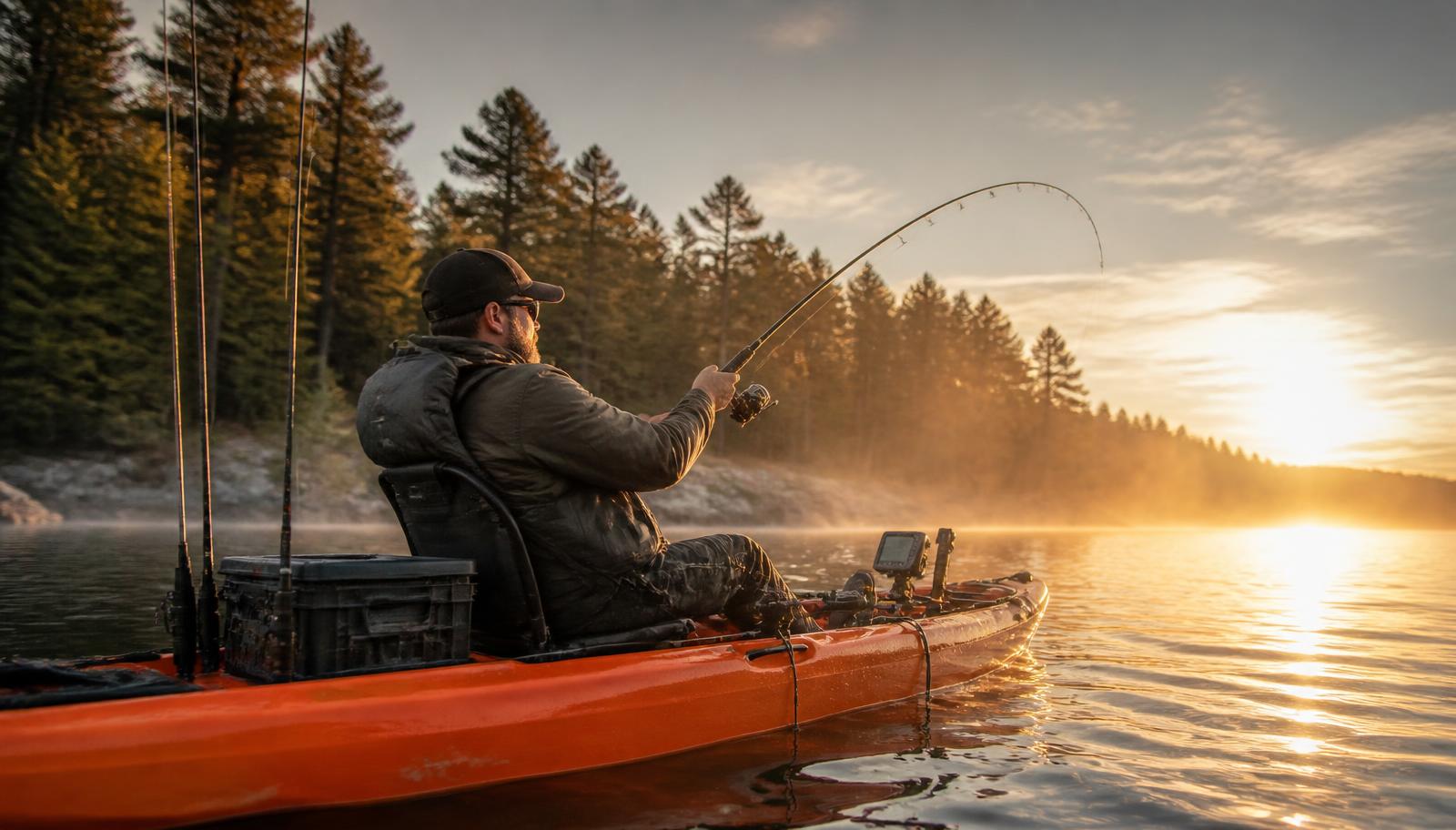
Fishing From a Kayak: Techniques That Actually Catch Fish
Kayak Fishing 101: Rigging, Gear, and Your First Trip
Next up: Best Pedal Kayak Guide (2026): Top Hands-Free Models, Fishing From a Kayak, and Rigging, Gear, and Your First Trip.