Inflatable vs Hard-Shell Kayaks: What Modern Drop-Stitch Actually Delivers
Inflatables have quietly become good. Here is what has changed, what is still a trade-off, and when a hard-shell is still the right call.
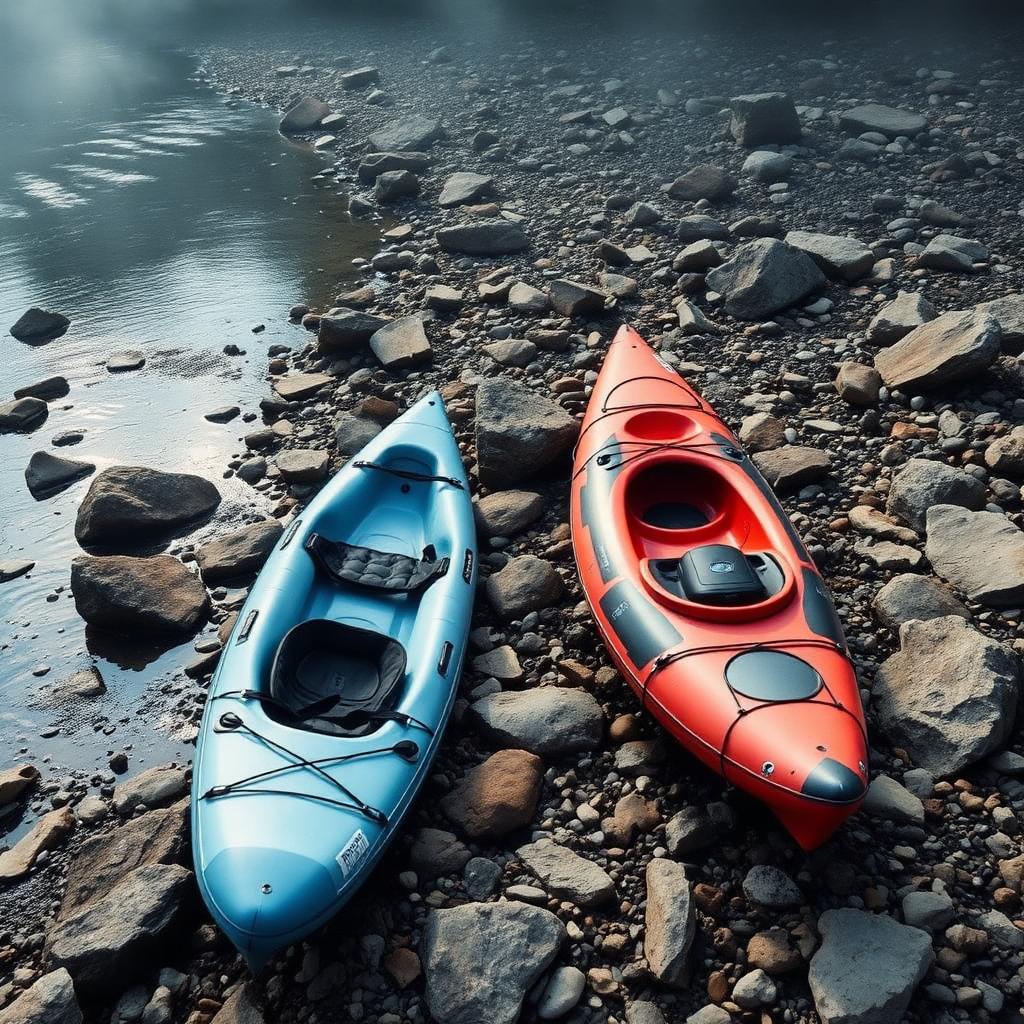
The category has changed
A decade ago, "inflatable kayak" meant "pool toy that could take you across a pond." That is no longer true. Modern drop-stitch hulls — where thousands of internal threads hold two layers of PVC at a fixed distance under high pressure — deliver stiffness that approaches, but does not equal, a rigid hull.
Where inflatables win
- Storage and transport. They pack to a duffel. If your car cannot take a roof rack, or your home cannot fit a hard-shell, this is decisive.
- Weight. Most inflatables are 25–40 pounds. Most hard-shells are 50–75.
- Setup at the launch. 5–15 minutes with a good pump.
- Airline travel. Almost impossible with hard-shells, straightforward with inflatables.
Where hard-shells still win
- Wind. Inflatables sit higher and catch more wind.
- Speed. Expect 15–25% less top-end speed at the same effort.
- Cold water. Rigid hulls with sit-in cockpits and spray skirts are safer.
- Longevity. A quality rotomolded boat can last 20 years. An inflatable is more like 5–10.
The one caveat: cheap inflatables are still bad
Under about $200, you are buying vinyl, not drop-stitch. Vinyl inflatables are the "pool toy" category. They puncture easily, they are slow, and they belong on ponds. If you want a real inflatable, budget at least $400–500 for a proper drop-stitch hull.
Frequently asked questions
Are inflatable kayaks durable enough for rivers?
Quality drop-stitch and reinforced PVC boats handle Class I–II rivers, gravel bars, and dragging far better than most people expect — the material flexes off rocks instead of gouging. Cheap vinyl pool-toy kayaks do not; that is where the reputation for punctures comes from.
How long does it take to inflate a kayak?
Five to ten minutes with a decent double-action hand pump, or two to three minutes with an electric pump. Add another five minutes at the end of the day to dry it before it goes back in the bag.
Do inflatable kayaks track as well as hard-shells?
Not quite. A drop-stitch floor with a removable skeg gets close on flat water, but a rigid hull still holds a straighter line and carries speed better over long distances. For trips over about 5 miles, a hard-shell is less work.
Related Kayaks
Kayaks that pair with this guide

Pungo 120
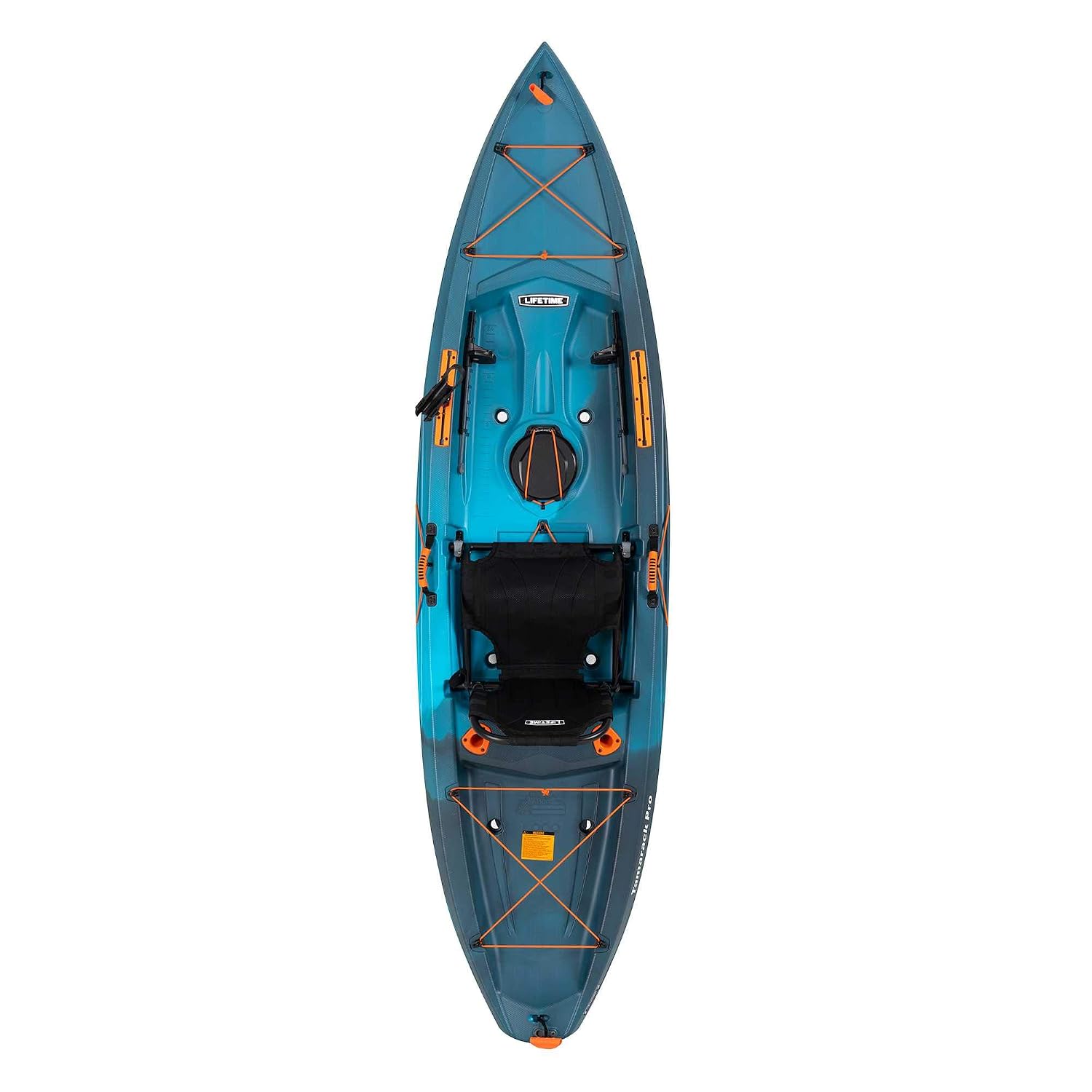
Tamarack Angler 100

Loon 120
Keep Reading
Related articles
How to Choose a Kayak: The Complete Buyer's Guide

Sit-In vs Sit-On-Top Kayaks: Which Is Right for You

Whitewater, Recreational, and Touring: Kayak Types Explained
Next up: How to Choose a Kayak: The Complete Buyer's Guide, Sit-In vs Sit-On-Top Kayaks, and Kayak Types Explained.