Best Kayak Roof Racks: J-Cradles, Saddles & Assists
Discover the best kayak roof rack for your vehicle. We compare J-cradles, saddles, stackers, and gas-assist lift systems with real load ratings and mounting specs.

Hauling a 75-pound fishing kayak or a pair of sleek recreational boats onto your car roof shouldn't feel like an Olympic weightlifting session or jeopardize your highway safety. Selecting the best kayak roof rack comes down to your vehicle height, crossbar setup, hull design, and how much lifting assistance your shoulders require after a long day on the water. In this guide, we break down the top-performing J-cradles, saddle systems, stackers, and gas-strut load-assist racks using real-world specs, carrying capacities, and tie-down protocols.
Quick Recommendations by Kayak & Car Type
- Best Overall for Single Kayaks: Fold-Down J-Cradle Racks. Side-loading design preserves roof bar space for cargo boxes or bike mounts.
- Best for Heavy Fishing Kayaks & SUVs: Gas-Assisted Load-Assist Racks. Heavy-duty hydraulic arms lower down the side of your vehicle, reducing lifting weight by up to 40 lbs.
- Best for Wide Hulls & Long Distance Highway Travel: Horizontal Saddle Systems. Four contoured pads cushion the hull, delivering maximum aerodynamics and stability.
- Best for Transporting 2 to 4 Boats: Vertical Stacker Racks. Mounts kayaks on their sides back-to-back to maximize crossbar real estate.
- Best Budget & Temporary Solution: High-Density Foam Blocks. Universal bare-roof straps for short trips without existing factory rails.
Kayak Roof Rack Styles Explained: J-Cradles, Saddles, Stackers, and Load-Assist
Before spending money on hardware, you need to understand how each rack geometry interacts with your kayak's hull and your car's roofline.
J-Cradles (J-Bars)
J-cradles hold your kayak at an angled 45-degree position across your vehicle's crossbars. By keeping the boat partially tilted on its side, J-cradles free up valuable crossbar space so you can mount a second kayak, a roof box, or a bike carrier alongside it.
- Pros: Leaves room for extra gear; easy to throw straps over the top arm; compatible with almost all hull shapes.
- Cons: Increases wind resistance slightly; requires lifting the kayak chest-high to slide into the cradle.
- Best for: Paddlers loading standard sit-on-top or sit-in kayaks on sedans, crossovers, and mid-sized SUVs.
Saddles and Rollers
Saddles sit flat on your crossbars and feature flexible, rubberized pads that pivot to mold against the contours of your kayak's bottom. Many saddle systems combine front cushioned pads with rear felt-lined sliding pads or plastic rollers.
- Pros: Ultimate hull protection and aerodynamic efficiency; allows rear-loading by sliding the kayak forward from behind the car.
- Cons: Consumes almost the entire crossbar width; harder to fit a second kayak on narrow crossbars.
- Best for: Heavy sit-on-top fishing kayaks, composite fiberglass touring boats, and high-clearance vehicles like full-sized trucks and SUVs.
Gas-Assisted Load-Assist Systems
Load-assist systems feature steel or aluminum arms equipped with heavy gas-charged hydraulic struts. The rack cradles lower down the side of your vehicle to waist level. You load and strap the kayak down at chest height, then lift the rack back up onto the roof with minimum effort.
- Pros: Eliminates overhead lifting strain; reduces load weight felt by the user by up to 40 pounds.
- Cons: High price point; heavier total rack weight; complex mechanical installation.
- Best for: Solo paddlers, shorter individuals, elevated 4x4 vehicles, and heavy pedal-drive fishing kayaks.
Vertical Stackers
Stacker racks consist of simple vertical steel upright bars mounted in the center of your crossbars. Kayaks rest vertically on their side gunwales pulled tight against the posts using specialized tie-down straps.
- Pros: Carries up to 4 kayaks on a single roof rack setup; lightweight and affordable.
- Cons: Requires two people to load efficiently; hull sides must be rigid enough to handle lateral strap pressure.
- Best for: Families, whitewater clubs, and group outings transporting multiple narrow recreational or whitewater boats.
Comparison of Top Kayak Roof Rack Designs
| Rack Design Style | Max Weight Capacity | Crossbar Space Required | Loading Effort Level | Aerodynamic Efficiency | Ideal Kayak Type |
|---|---|---|---|---|---|
| Folding J-Cradle | 75 lbs | 18–24 inches | Moderate | Moderate | Rec & Sit-On-Tops |
| Fixed Saddle System | 80–90 lbs | 30–36 inches | Low (Rear Slide) | High | Wide Fishing Kayaks |
| Gas-Assist Lift | 75 lbs | 28–32 inches | Very Low | Moderate | Heavy Fishing Kayaks |
| Vertical Stacker | 150 lbs (Total) | 12–16 inches | Moderate to High | Low | Multiple Narrow Kayaks |
| Foam Block Kit | 50–60 lbs | Full Roof Width | Moderate | Moderate | Short Light Rec Boats |
Top Kayak Roof Rack Options Reviewed
When buying a rack, look for marine-grade corrosion resistance, lock compatibility, tool-free installation, and universal mounting clamps that fit factory round, square, and aerodynamic factory crossbars.
1. Heavy-Duty Folding J-Cradle Systems
If you want the flexibility to park in garages without taking off your roof rack, look for dual-position folding J-cradle kayak racks. These feature a center release lever that allows the arm to fold flat against your crossbars when not in use, cutting down drag and wind noise.
Modern folding J-cradles feature heavy-duty steel or aluminum construction with thick EPDM rubber padding to protect plastic hulls from abrasion during long drives. Look for designs with built-in ramp feature grooves that help guide the kayak hull up into the pocket during solo side-loading. Most premium J-bar kits ship with heavy-duty 1-inch cam-buckle straps and bow/stern safety lines right out of the box.
2. Gas-Strut Hydraulic Load-Assist Racks
Lifting an 80-pound pedal kayak over your head after five hours on the water can lead to dropped boats and dented car doors. Premium kayak load-assist roller systems use dual hydro-pneumatic struts to absorb up to 40 pounds of the kayak's dead weight as you lift it toward the roof.
These systems extend up to 28 inches down from the roofline, bringing the loading point down to waist height. You secure your boat while standing comfortably on the ground, click the safety latches, and push the cradle up into locking position on your roof bars with minimal effort. While expensive, they are an essential investment for solo paddlers who drive tall SUVs or pickup trucks with camper shells.
3. Rear-Loading Saddle & Roller Systems
For wide-beam sit-on-top kayaks, horizontal kayak saddle roof racks provide the most secure transport platform available. A complete saddle setup includes two front flexible rubber cradles that match your hull contour and two smooth felt-lined rear pads or smooth rolling wheels.
To load your kayak, simply lean the bow of the boat against the rear roller or felt pads, lift the stern, and slide the boat forward onto the rack. This eliminates the need to lift the full weight of the boat simultaneously. Saddles spread the weight load across a broad surface area, protecting delicate thermoformed or rotomolded plastic hulls from warping or oil-canning under tight strap pressure.
4. Multi-Boat Vertical Stacker Racks
When your goal is to transport two, three, or four kayaks to the launch point using one vehicle, kayak stacker roof racks are the definitive solution. Simple steel vertical posts clamp directly onto your existing factory crossbars.
Kayaks are set on their sides resting against the vertical post, buffered by dense foam padding. High-strength tie-down straps loop around the post top and anchor down to the crossbars, pinning each boat securely in place. Stackers leave half your roof open for additional gear racks, but they increase lateral wind resistance significantly, so careful bow and stern rigging is crucial.
5. Universal Soft Foam Block Carrier Kits
If your car lacks factory side rails or aftermarket crossbars, a high-density foam block kayak carrier offers a temporary solution for short, low-speed trips. Standard kits include two contoured EVA or closed-cell foam blocks that rest directly on your vehicle's metal roof sheet metal.
Stout polypropylene straps feed through the open car doors (under the roof weatherstripping) to clamp the boat down. While effective for lightweight 10-foot recreational boats traveling short distances at sub-50 mph speeds, foam blocks lack the lateral stability, theft security, and weight capacities of dedicated crossbar systems.
Hull Shapes, Weight Capacity, and Crossbar Mechanics
Not every rack works with every kayak. Matching your hull geometry to your roof hardware prevents highway incidents and hull deformation.
Matching Kayak Weight to Rack Ratings
Always calculate total system weight. You must evaluate three separate capacity ratings before mounting your equipment:
- Vehicle Roof Capacity: Typically between 100 lbs and 165 lbs for standard passenger cars.
- Crossbar Dynamic Load Rating: Standard aftermarket bars are rated between 110 lbs and 165 lbs while moving.
- Rack Module Rating: Specific per cradle set (usually 75 lbs to 90 lbs per boat).
Heavy sit-on-top fishing platforms like the Perception Pescador Pro 10 (64 lbs) or the feature-heavy Lifetime Tamarack Angler 100 (52 lbs) require heavy-duty saddles or steel J-cradles with robust hardware. Lightweight recreational sit-in options like the Pelican Argo 100X (36 lbs) or Pelican Sentinel 100X (44 lbs) are far easier to hoist into folding J-bars or simple saddle pads.
If you carry a broad tandem like the Ocean Kayak Malibu Two (34-inch beam), make sure your crossbars are wide enough to accommodate the footprint. For paddlers dealing with limited storage space or vehicles without crossbars, inflatables like the Sea Eagle 370 bypass the need for roof racks entirely. Learn more about structural trade-offs in our guide on inflatable vs hard shell kayaks.
For a detailed overview of different hull architectures before purchasing, read our breakdown on sit-in vs sit-on-top kayaks and our general kayak choosing guide.
How to Properly Strap Down a Kayak for Highway Speeds
Installing the rack is only half the job; binding the boat safely to your car completes the setup. Follow this standard safety protocol every time you haul your kayak:
- Use Cam-Buckle Straps Only: Avoid ratchet straps at all costs. Ratchet mechanisms generate excess mechanical leverage that can easily crack plastic thermoformed hulls or crush fiberglass gelcoats. Stick to 1-inch wide polyester webbing straps with rubber-padded cam buckles.
- Anchor Straps to Crossbars: Thread straps around the crossbar towers or structural metal connection points rather than bare smooth crossbar tubing to prevent lateral sliding.
- Always Rig Bow and Stern Lines: Tie-down ropes anchored to your vehicle's front recovery hooks (or hood trunk loops) and rear bumper frames prevent wind uplift from ripping the entire rack system off your roof at highway speeds.
- Twist flat webbing straps: Give your cam straps one half-twist across flat spans. This simple trick prevents noisy wind whistle and high-speed strap vibration.
- Re-check tension after 10 miles: Polyethylene plastic hulls flex under heat and wind load. Pull over after your first 10 to 15 minutes of driving to confirm strap tension is rock solid.
For a complete deep-dive on vehicle transport techniques, off-season storage, and gear maintenance, refer to our comprehensive article on how to transport and store a kayak. If you own a pickup truck and want to skip overhead loading entirely, check out our step-by-step instructions on how to transport a kayak in a truck bed.
Don't forget that moving your kayak from the car to the water edge requires dedicated ground gear. Investing in high-quality kayak carts and dollies saves your back before you even enter the water. Always keep essential safety gear, including coast-guard-approved PFDs found in our best kayak life jackets guide, stored securely inside your trunk while traveling.
Frequently asked questions
Do J-bar kayak racks damage your kayak?
When used correctly with padded supports, J-bar racks will not damage rotomolded or thermoformed plastic kayaks. However, overtightening ratchet straps around a boat resting in a J-cradle can deform the hull sides, especially on hot days when plastic softens. Always use cam-buckle straps, ensure the thick rubber padding covers all metal contact points, and remove your kayak from the rack as soon as you arrive home.
How fast can you drive with a kayak on a roof rack?
You can safely drive at normal highway speed limits up to 65–70 mph with a properly secured kayak roof rack setup. High speeds generate significant uplift aerodynamic forces and crosswind drag against your boat's hull. Always inspect your crossbar mounting clamps, verify strap tension, and double-check bow and stern lines before driving on high-speed interstate corridors or during stormy conditions.
Do I really need bow and stern tie-down straps?
Yes, bow and stern tie-down straps are absolutely critical safety gear for highway kayak transport. Roof rack crossbar towers are designed to resist vertical load, but high-speed wind buffeting exerts strong rotational up-draft forces that can shear factory crossbar bolts. Bow and stern lines act as secondary safety nets, holding the kayak down and preventing catastrophic detachment if your primary roof rack clamps fail unexpectedly.
Can you put a kayak roof rack on a car without crossbars?
You cannot install permanent structural J-cradles or saddle racks without existing factory crossbars or an aftermarket base rack tower system. However, you can use temporary universal foam block roof kits or soft rack pads that pass heavy-duty polypropylene straps directly through your vehicle's door frames. Soft foam kits are strictly intended for lighter boats driven at lower local speeds short distances.
The bottom line
Investing in the best kayak roof rack turns tedious loading chores into a smooth, stress-free routine. Mid-sized kayaks pair perfectly with space-saving folding J-cradles, while heavy fishing hulls demand the ergonomic relief of gas-assisted lift systems or rear-sliding saddles. Match your hardware to your kayak's actual weight and beam width, stick to padded cam-buckle straps with bow and stern safety lines, and spend less time struggling in the parking lot and more time paddling on the water.
Related Kayaks
Kayaks that pair with this guide
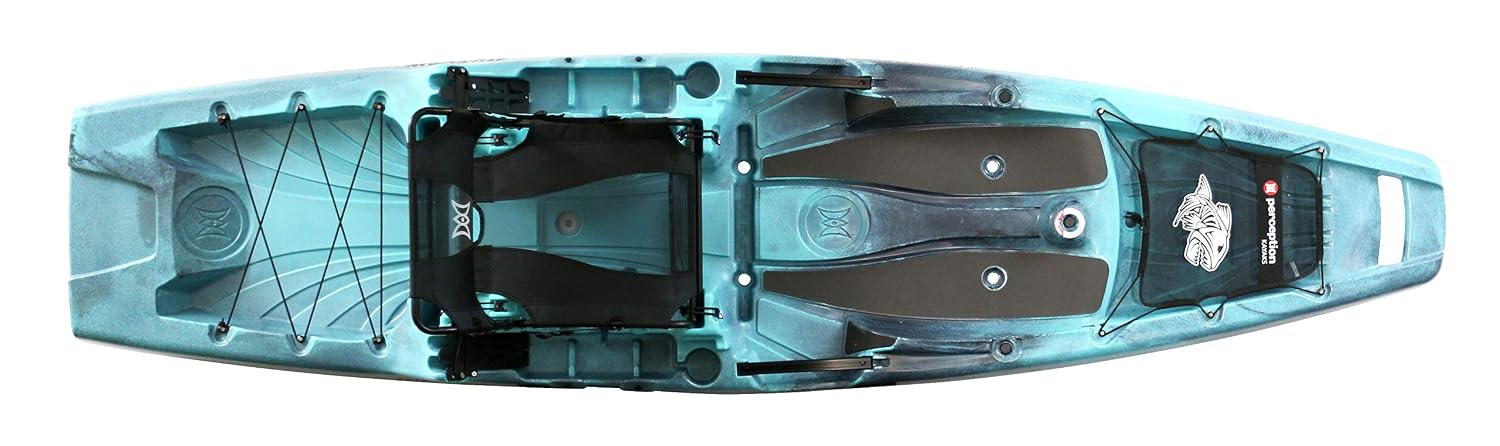
Pescador Pro 10.0

Catch Mode 110
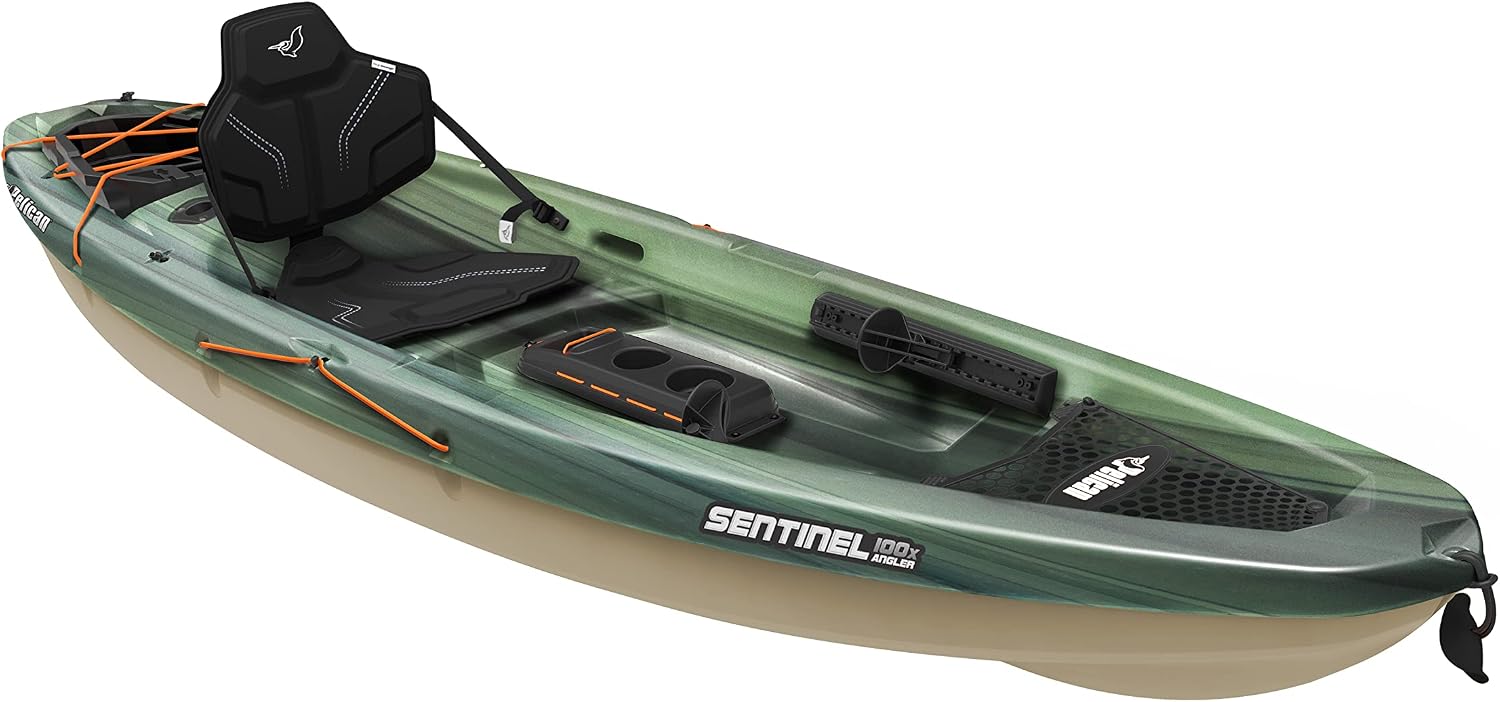
Sentinel 100X Angler
Keep Reading
Related articles
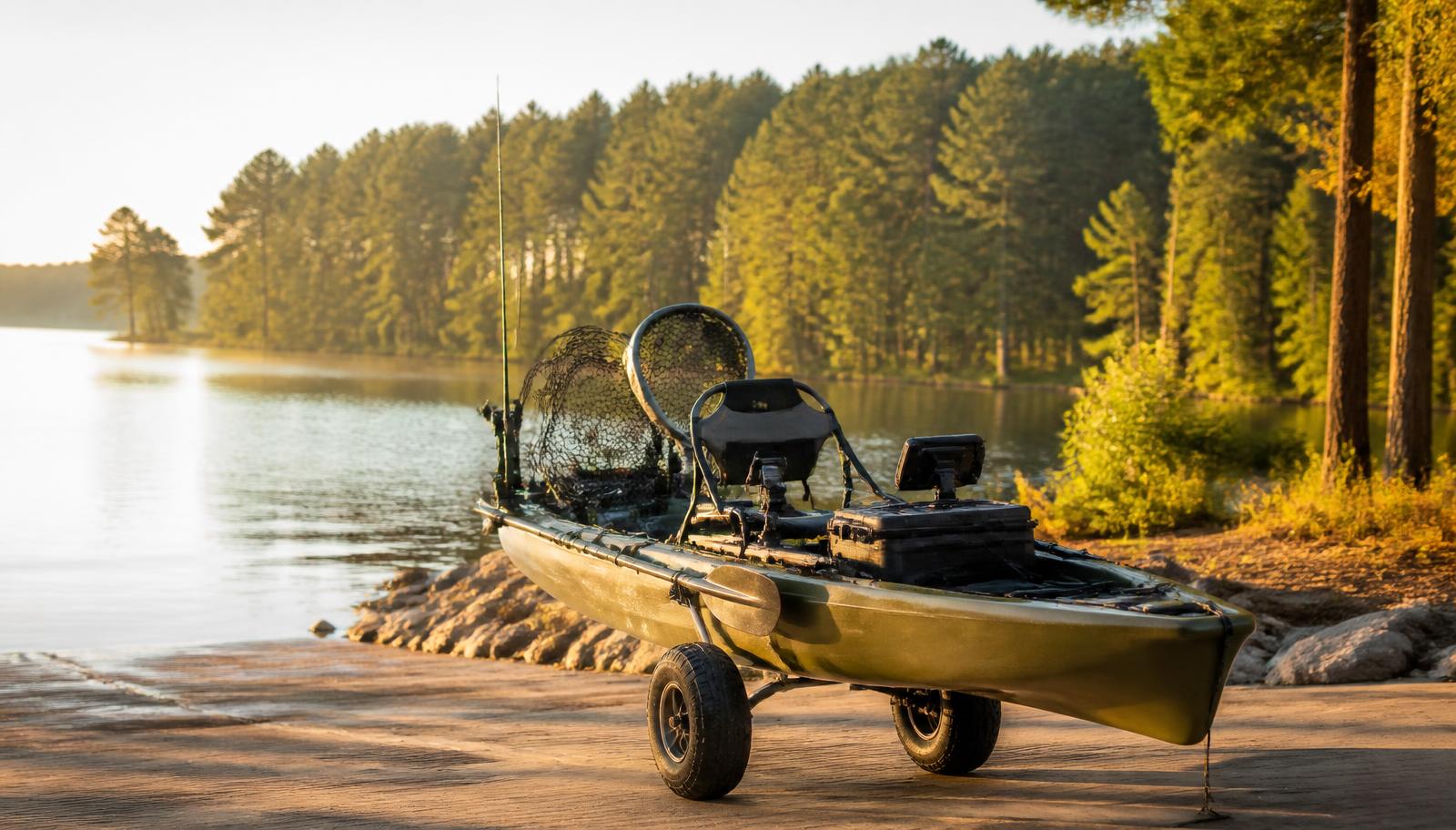
Best Kayak Carts & Dollies (2026): From Sand to Boat Ramp

Best Kayak Anchor Options: Folding, Pin & Trolleys

Best Pedal Kayak Guide (2026): Top Hands-Free Models
Next up: Best Kayak Carts & Dollies (2026): From Sand to Boat Ramp, Best Kayak Anchor Options, and Best Pedal Kayak Guide.