Best Kayaks for Kids (2026): Top Safe & Fun Youth Models
Discover the best kayaks for kids in 2026. Compare lightweight, safe, and easy-to-paddle youth models, tandem options, and budget-friendly inflatables.
This post contains Amazon affiliate links. We may earn a commission if you buy, at no extra cost to you. Read our disclosure.
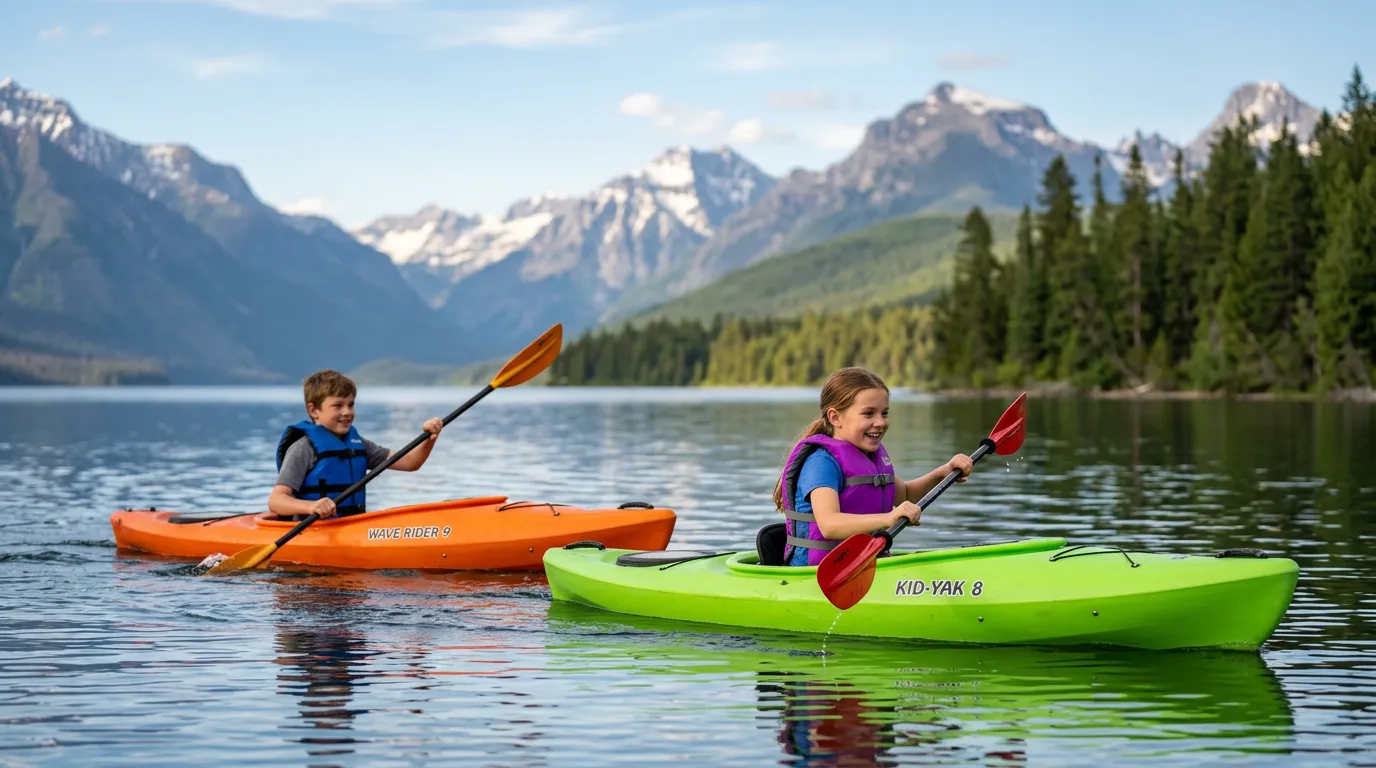
Getting children out on the water builds confidence, balance, and a lifelong appreciation for the outdoors, but putting a child in an oversized adult boat is the fastest way to turn a fun weekend into a frustrating chore. The best kayaks for kids combine scaled-down hull lengths, featherlight carry weights, and incredible primary stability so young paddlers can control their craft without tiring out. Whether you want a dedicated youth sit-on-top with a swim-up deck or a stable family tandem to bring a child along, choosing the right setup ensures safe and memorable water adventures.
What Makes a Great Youth Kayak?
Selecting a boat for a child is very different from picking an adult model. Kids have lower body weights, shorter torso heights, and significantly less arm reach, which means standard 10-foot or 12-foot hulls catch too much wind and require too much force to turn. Read our general how to choose a kayak buyers guide for broader rules, but for youth specifically, focus on these five core technical parameters:
- Hull Weight (18 to 30 lbs): If a kid cannot drag or handle their own kayak on shore, they lose a sense of ownership. Dedicated kids' hulls usually weigh under 20 pounds, while compact youth/teen models sit around 28–36 pounds.
- Beam Width & Stability: A wide beam relative to overall length (for example, a 28 to 30-inch width on an 8-foot hull) creates a flat, stable platform. Kids shift their weight unpredictably, so maximum initial stability prevents accidental capsizes.
- Swim-Up Stern Decks: Many dedicated youth sit-on-top kayaks feature a sloped, low-profile swim deck at the stern with molded foot grips. If a child jumps out to swim, they can easily climb back aboard from the water without flipping the boat.
- Molded Footwells: Instead of mechanical adjustable foot pegs that jam with sand, molded foot positions allow growing children to find a secure bracing point season after season.
- Self-Bailing Scupper Holes: Open sit-on-top designs allow water splashed into the cockpit to drain immediately, keeping the boat light and buoyant regardless of rough play.
Top Kayaks for Kids & Teens: Reviewed
1. Ocean Kayak Malibu 9.5 – Best Overall for Older Kids and Teens
For older children, pre-teens, and lightweight teens ready for a full-featured boat that will last until adulthood, the Ocean Kayak Malibu 9.5 is an exceptional pick. Available on Amazon, this compact sit-on-top measures 9 feet 5 inches long with a wide 33-inch beam, making it virtually impossible to tip in flat water or gentle ocean swell.
At 54 pounds, it is heavier than dedicated junior plastic shells, so younger kids will need help loading it. However, its hull design offers real tracking and gliding efficiency that smaller youth boats lack. It features a padded seat back, molded footrests for various leg lengths, and a rear tank well equipped with bungees to secure a dry bag or snack cooler.
- Length: 9' 5"
- Width: 33 inches
- Weight: 54 lbs
- Weight Capacity: 325 lbs
- Best For: Kids aged 10+, pre-teens, and smaller adults who want a durable sit-on-top.
2. Pelican Argo 100X – Best Lightweight Sit-In Kayak for Junior Paddlers
If your child prefers sitting inside a protected cockpit rather than on top of the deck, the Pelican Argo 100X is an outstanding bridge model. Check prices on Amazon. Thanks to Pelican's proprietary RAM-X twin-sheet polyethylene construction, this 10-foot kayak weighs a manageable 36 pounds, making it one of the best lightweight kayaks in its class.
The Argo 100X features a spacious, non-confining cockpit that prevents young paddlers from feeling trapped. Its twin-arched multi-chine hull prioritizes stability above all else, allowing confident maneuvering on calm lakes and slow rivers. To learn more about how cockpit styles perform, see our analysis of sit-in vs sit-on-top kayaks.
- Length: 10' 0"
- Width: 28 inches
- Weight: 36 lbs
- Weight Capacity: 275 lbs
- Best For: Juniors and teens aged 9 to 14 seeking a light, easy-paddling sit-in design.
3. Intex Challenger K1 – Best Budget Inflatable for Kids
For families with limited storage space or tight budgets, the single-person Intex Challenger K1 provides an ultra-approachable entry point into paddling. Available on Amazon, this inflatable kayak weighs under 25 pounds in its storage bag and inflates in less than 10 minutes using the included hand pump.
While inflatable PVC boats are susceptible to high wind drift, the low bow profile and removable skeg of the Challenger K1 help keep young paddlers straight on small ponds and sheltered coves. It is an affordable option for casual summer play. You can read more about low-cost options in our review of the best budget kayaks.
- Length: 9' 0"
- Width: 30 inches
- Weight: 23.9 lbs
- Weight Capacity: 220 lbs
- Best For: Budget-conscious parents introducing kids ages 8–12 to flatwater paddling.
4. Ocean Kayak Malibu Two – Best Family Tandem to Paddle with Kids
Sometimes the best way to get younger children (ages 3 to 7) onto the water is paddling right alongside them. The Ocean Kayak Malibu Two is a iconic tandem hull designed specifically for family versatility. You can check it out on Amazon.
Measuring 12 feet with a 34-inch beam, the Malibu Two features two primary seating positions plus a center jump seat specifically molded for a young child or pet. A parent can easily paddle from the stern while the child sits securely in front, learning to splash and dip their paddle without needing to steer or propel the boat alone. Explore more dual-paddler options in our guide to the best tandem kayaks.
- Length: 12' 0"
- Width: 34 inches
- Weight: 57 lbs
- Weight Capacity: 425 lbs
- Best For: Parents paddling with toddlers or young kids in a shared hull.
5. Sea Eagle 370 Pro – Best High-Capacity Inflatable Tandem
If you want an inflatable boat that can hold two children or an adult and a child with plenty of camp gear, the Sea Eagle 370 is an exceptionally tough choice. Check current pricing on Amazon.
Made from thick 38-mil K-80 Polycrylar material, this hull withstands dog claws, gravel beaches, and rough handling. Weighing only 32 pounds packed down, it supports up to 650 pounds. For a detailed breakdown comparing packable materials against hard plastic, check out our guide to inflatable vs hard shell kayaks.
- Length: 12' 6"
- Width: 34 inches
- Weight: 32 lbs
- Weight Capacity: 650 lbs
- Best For: Multi-person family paddling and rugged inflatable transport.
Kayak Specs Comparison for Kids & Families
| Model | Type | Length | Weight | Capacity | Ideal Age / User |
|---|---|---|---|---|---|
| Ocean Kayak Malibu 9.5 | Sit-On-Top | 9' 5" | 54 lbs | 325 lbs | Pre-teens & Teens (10+) |
| Pelican Argo 100X | Sit-In | 10' 0" | 36 lbs | 275 lbs | Older Kids & Teens (9–15) |
| Intex Challenger K1 | Inflatable Sit-In | 9' 0" | 23.9 lbs | 220 lbs | Beginners & Kids (8–12) |
| Ocean Kayak Malibu Two | Tandem Sit-On-Top | 12' 0" | 57 lbs | 425 lbs | Adult + Child (Ages 3–8) |
| Sea Eagle 370 Pro | Inflatable Tandem | 12' 6" | 32 lbs | 650 lbs | Family / 2 Kids + Adult |
Sit-On-Top vs. Sit-In Kayaks for Children
Choosing between sit-on-top and sit-in designs comes down to your local water temperature, safety comfort levels, and how your child likes to play on the water.
Why Sit-On-Top Kayaks Excel for Young Kids
For kids aged 5 to 11, sit-on-top hulls are almost always the best recommendation. They remove any fear of being trapped inside a cockpit during a capsize. If the boat tips, the child simply falls off into the water and climbs back aboard. Open decks also allow kids to slip into the water for a swim and haul themselves back up over the stern using molded handles or step-up notches.
When to Consider a Sit-In Kayak for Juniors
Sit-in kayaks keep the paddler lower relative to the waterline, which provides efficient power transfer and shields their legs from wind and cold water spray. For children paddling in cooler northern lakes, coastal bays, or during shoulder seasons, a sit-in design keeps them warmer and drier. If you choose a sit-in model for a child, ensure the cockpit opening is oversized so their legs slide out effortlessly if the boat capsizes.
Essential Safety Gear and Rules for Youth Paddlers
Safety on the water requires clear rules and proper gear fitted specifically for children. Never compromise on standard safety protocol when taking kids out on the water. Review our complete checklist of kayak safety essentials before your trip.
- USCG-Approved Life Jackets Are Mandatory: An adult life jacket tightened down on a child is unsafe; in the water, a child will slide right out of an oversized PFD. Always buy a youth-specific USCG-approved PFD matched strictly to their weight class (Child: 30–50 lbs; Youth: 50–90 lbs). Ensure it includes a leg crotch strap for younger kids to prevent the vest from riding up over their chin. Browse top models in our guide to the best kayak life jackets.
- Establish Wind and Distance Limits: Children tire quickly when paddling against offshore winds or current. Keep young solo paddlers inside a designated perimeter near the shore, and stay within voice range at all times. Avoid taking solo youth paddlers out in winds exceeding 10 knots.
- Dress for Water Temperature, Not Air: Kids lose core heat faster than adults. If water temperatures are under 70°F, use neoprene rash guards or thermal layers. Check out our guide on what to wear kayaking for weather-appropriate choices.
- Attach a Safety Whistle: Zip a pea-less whistle directly to your child’s PFD shoulder strap and teach them that three short sharp blasts mean they need immediate assistance.
Paddle Sizing and Technique for Kids
Giving a child a heavy, full-length 230 cm adult paddle leads to poor technique, wrist fatigue, and quick frustration. A child’s paddle should be proportional to their height and the width of their boat.
- Paddle Length: Most children paddling a standard 26 to 28-inch wide youth kayak need a paddle between 180 cm and 200 cm in length. Teens in standard 30-inch boats can step up to a 210 cm paddle. Read our comprehensive review of the best kayak paddles for shaft and blade specifications.
- Shaft Diameter: Choose a paddle engineered with a small-diameter shaft (around 25 mm). Young hands cannot wrap fully around standard 29 mm adult shafts, leading to tight forearms and grip fatigue within 15 minutes.
- Weight: Look for aluminum or fiberglass shaft construction under 28 ounces. Every extra ounce matters when a kid takes hundreds of strokes an hour.
- Technique Basics: Teach kids to keep their hands spaced wide—roughly aligned with their elbows when holding the paddle above their head. Encourage them to rotate from their torso rather than pulling purely with their arms.
Transporting and Storing Youth Kayaks
Youth kayaks are compact, making them simple to transport compared to massive fishing rigs or touring boats. A standard 6 to 8-foot youth kayak easily slides into the back of an SUV or flat across a truck bed. If you own multiple boats for the whole family, explore our guide on how to transport and store a kayak and check out options for the best kayak roof rack or best kayak trailer.
When storing plastic youth boats during the off-season, keep them out of direct sunlight. Polyethylene hulls will warp if left stored upside down on hot pavement under heavy pressure. Store them horizontally on foam blocks or vertically against a wall anchored with straps.
Frequently asked questions
What age can a kid start paddling their own kayak?
Most children can begin paddling an independent, child-specific youth kayak between the ages of 5 and 7 on calm, shallow water. Success at this age depends on their comfort in water, ability to follow basic instructions, and swimming confidence with a PFD. For children under age 5, riding in the middle seat of a tandem kayak with an adult is much safer and more enjoyable.
How do I size a kayak paddle for a child?
Size a youth paddle based on the child's height and the width of their kayak, typically choosing a length between 180 cm and 200 cm with a narrow shaft diameter. A simple test is having the child stand upright holding the paddle vertically; their fingertips should comfortably hook over the top blade edge without stretching straight up. Avoid standard adult paddles over 220 cm as they cause rapid arm fatigue.
Are sit-on-top or sit-in kayaks safer for kids?
Sit-on-top kayaks are generally considered safer and more user-friendly for young children on warm, flat water because they are easy to climb back onto after falling off. They do not hold water inside a cockpit and eliminate any chance of a child feeling trapped if the boat flips over. Sit-in kayaks are better suited for older children or cold water conditions where keeping dry and shielded from wind is necessary.
Can a child ride in an adult kayak with a parent?
Yes, young children can comfortably ride along in an adult kayak if the boat has sufficient weight capacity and room for a safe seating position. Stable sit-on-top models or dedicated family tandems with center seating positions work best for this arrangement. Always make sure the child wears a proper USCG-approved life jacket and stays clear of the adult's paddle stroke path.
The bottom line
Investing in a dedicated youth kayak or a stable family tandem changes family lake trips from stressful gear-management exercises into fun adventures. Look for lightweight hulls under 35 pounds with broad beams and self-bailing open decks so young paddlers stay safe and independent on the water. Grab a properly fitted USCG-approved life jacket, a lightweight 190 cm paddle, and head out to enjoy the water together.
Keep Reading
Related articles
Best Budget Kayaks of 2026: High-Value Picks Under $500
The Best Lightweight Kayaks of 2026: Easy to Lift & Launch
Best Kayaks for Beginners: 7 Stable, Easy Picks
Next up: Best Budget Kayaks of 2026: High-Value Picks Under $500, The Best Lightweight Kayaks of 2026, and 7 Stable, Easy Picks.