What to Wear Kayaking: The Ultimate Season-by-Season Guide
Master kayaking apparel for every season. Learn the exact layering strategies, wet-water gear, and footwear setups needed to stay safe and dry on the water.

Choosing the right apparel for a day on the water isn't just about personal comfort—it is a critical safety decision that protects you against hypothermia, sun damage, blistering, and windburn. Wearing the wrong clothing, like heavy denim or cotton hoodies, can turn an accidental capsizing into a life-threatening emergency in seconds. This guide breaks down exact, season-by-season outfits, technical layering strategies, and essential footwear so you stay dry, agile, and safe on every launch.
The Fundamental Rules of Kayak Apparel
Before picking out individual clothing items, you need to understand the underlying mechanics of paddling apparel. Water conducts heat away from your body 25 times faster than air does. Because of this thermal transfer rate, your clothing choices must always account for sudden immersion.
- Dress for the water temperature, not the air temperature: If the air is 75°F but the water is 52°F, dress for 52°F water. A capsize happens in milliseconds, and cold water shock occurs almost instantly in water below 60°F.
- The 120-Degree Rule: Combine the air temperature and water temperature in Fahrenheit. If the sum is under 120°F, you must wear thermal immersion protection like a neoprene wetsuit or a full drysuit.
- Strictly zero cotton: Cotton absorbs up to 27 times its weight in water and holds it directly against your skin, robbing you of body heat. Stick exclusively to synthetic fibers like polyester, nylon, elastane, or natural merino wool.
- Dress in active layers: Paddling is upper-body heavy and generates substantial physical heat. Use multiple thin layers rather than one heavy jacket so you can tune your core temperature as your cadence changes.
- Plan for contact friction: Your clothing must handle high-friction zones around the armpits, lower back, and thighs. Look for flatlock seams and seam-free shoulder panels.
What to Wear Kayaking in Summer (Water Temp 70°F+)
Summer paddling feels straightforward, but long exposure to high UV index ratings and reflected radiation off the water surface requires deliberate gear selection. A basic cotton t-shirt and swim trunks won't cut it for journeys longer than an hour.
Upper Body
In warm conditions, light synthetic layers that block UV radiation while wicked moisture away from your torso are critical:
- UPF 50+ Long-Sleeve Sun Hoodies: Lightweight 100% polyester hoodies (around 130 to 150 GSM) are superior to basic short-sleeve shirts. The hood shields your neck and ears, while the extended sleeves protect your wrists.
- Rashguards: Snug-fitting nylon-spandex rashguards prevent underarm chafing caused by repetitive paddle strokes. They are ideal when paddling open-deck boats like the Ocean Kayak Malibu 9.5.
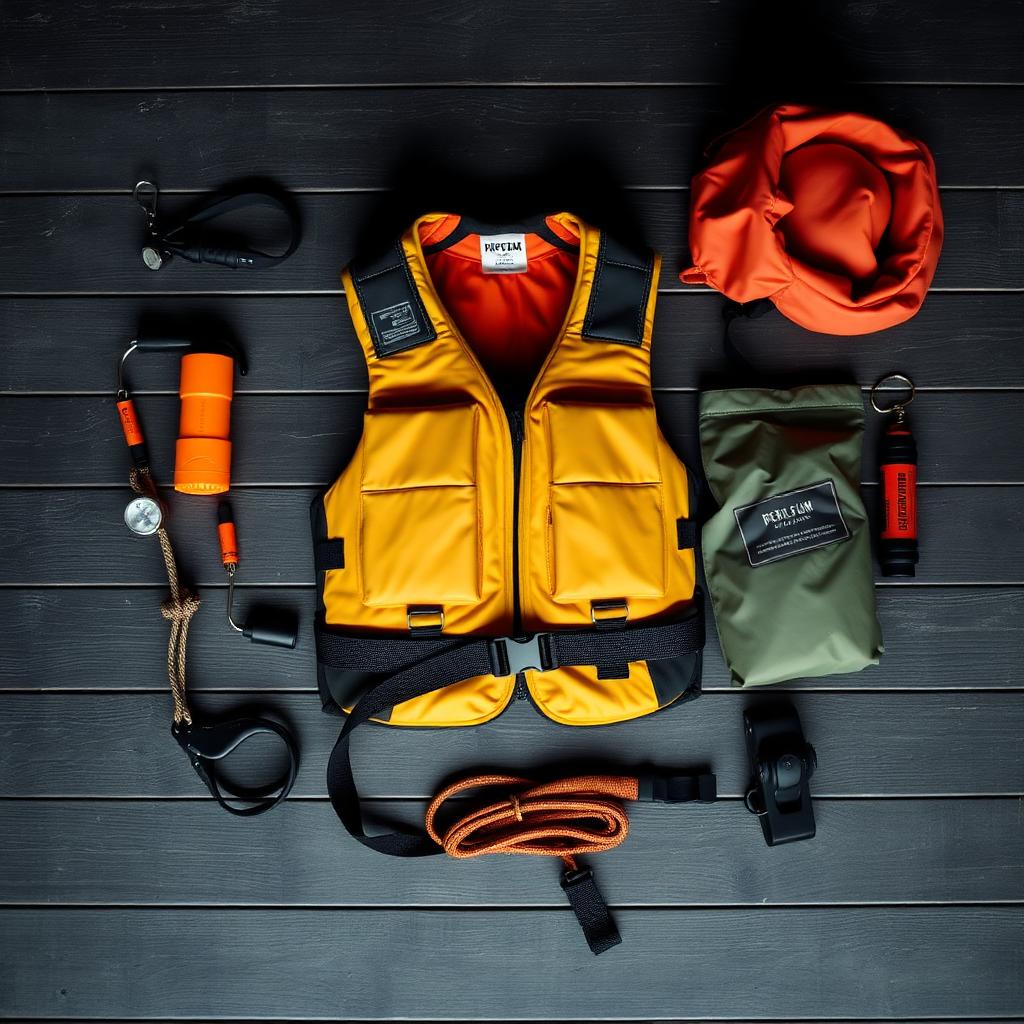
- Paddling PFD: Wear a high-back Type III life jacket featuring large armhole cutouts for non-restrictive rotation. For detailed vest reviews, read our guide on the best kayak life jackets.
Lower Body
On sit-on-top craft, your lower body will get wet from paddle drip and hull splash, while sit-in boats accumulate ambient leg heat:
- Quick-Dry Boardshorts or Hybrid Pants: Choose 4-way stretch shorts made from nylon and elastane with a gusseted crotch. Avoid boardshorts with metal grommets or back zipper pockets that press painfully against your seat.
- Lightweight Technical Track Pants: Long polyester pants keep the midday sun off your legs without requiring thick coats of greasy sunscreen.
Footwear and Accessories
Never paddle barefoot. Sharp rocks, slippery launch ramps, zebra mussels, and hidden debris can cut unprotected feet immediately.
- Low-Profile Water Shoes: Synthetic shoes featuring drain holes and sticky rubber outsoles (such as Vibram Wavegrip or stealth rubber) provide secure traction on wet rocks.
- Wide-Brim Sun Hats or Trucker Caps: Choose a brimmed hat featuring an adjustable chin strap so it won't blow off in a 15-knot breeze.
- Fingerless Sun Gloves: Synthetic gloves with UPF 50+ protection shield the back of your hands from sun exposure while keeping your palms free of paddle friction blisters.
What to Wear in Shoulder Seasons (Spring & Autumn: Water Temp 55°F – 70°F)
Spring and autumn bring volatile weather. Air temperatures might hover at an agreeable 65°F while water temperatures linger at a dangerous 50°F. The key to staying safe during these transitional months is a structured three-layer clothing system.
+-------------------------------------------------------------+
|                   3-LAYER PADDLING SYSTEM                   |
+-------------------------------------------------------------+
| 1. BASE LAYER    | Moisture Management (Polyester/Merino)   |
| 2. MID LAYER     | Thermal Insulation (Grid Fleece/Neoprene)|
| 3. OUTER SHELL   | Wind & Splash Protection (GORE-TEX/2L)   |
+-------------------------------------------------------------+
Base Layer: Moisture Management
Your skin-adjacent layer must move sweat outward before it cools down and chills your core. Wear a skin-tight synthetic or 150g merino wool long-sleeve top alongside lightweight synthetic leggings.
Mid-Layer: Thermal Insulation
A breathable 100-weight to 200-weight polyester grid fleece top traps warm air generated by your muscles. Alternatively, a 0.5mm to 1mm neoprene shirt (like an NRS Hydroskin) offers thin, flexible thermal insulation that retains warmth even when wet.
Outer Shell: Wind and Splash Defense
A specialized semi-dry paddling jacket or windproof splash top is crucial here. Unlike standard rain jackets, paddling splash jackets feature neoprene or latex neck and wrist seals that prevent water from surging down your arms during high-angle paddle strokes.
For closed-cockpit vessels such as the Wilderness Systems Pungo 120 or the Old Town Loon 120, pairing a splash jacket with a nylon spray skirt keeps your lower body dry and warm in water under 65°F. Check out our detailed breakdown of sit-in vs sit-on-top kayaks to match your boat style to the elements.
Footwear for Cool Water
Switch to 3mm neoprene booties equipped with vulcanized rubber soles. Neoprene traps a paper-thin layer of water against your skin, heating it up to body temperature while blocking cold lake water from flushing through.
What to Wear Kayaking in Winter (Water Temp Below 55°F)
When water drops below 55°F, cold shock and swift loss of dexterity occur within minutes of immersion. Casual clothing is unacceptable here: you need dedicated thermal immersion suits to survive an accidental swim.
Wetsuits vs. Drysuits
Understanding when to pick a wetsuit over a drysuit will dictate both your comfort and safety budget:
- Neoprene Wetsuits (3mm to 5mm): A full-length "Farmer John" or "Farmer Jane" wetsuit covers your legs and torso while keeping your arms free for uninhibited paddle rotation. Wetsuits work by allowing a light layer of water inside that your body heats up. They are best suited for water between 48°F and 58°F.
- Drysuits: A full drysuit is a completely waterproof fabric shell with tight latex or silicone neck and wrist gaskets, plus integrated waterproof socks. You layer thermal fleece garments underneath the suit. Drysuits keep you 100% dry and are essential for water temperatures below 45°F or extended winter touring.
Winter Head, Hand, and Foot Protection
- Neoprene Pogies vs. Gloves: Pogies are insulated neoprene mittens that strap directly onto your paddle shaft. You slip your bare hands inside to grip the paddle shaft directly for tactile control. In freezing winds, 3mm pre-curved neoprene gloves are an alternative.
- Neoprene Skull Caps: Over 30% of thermal body heat escapes through the head. A 2mm neoprene hood or skull cap worn under your helmet or hat retains vital heat during rolling or wet-exit practice.
- Heavy Boots and Socks: Wear 5mm tall neoprene boots layered over thick fleece socks inside your drysuit boots.
Review our comprehensive guide on kayak safety essentials before attempting any winter or cold-water trips.
Seasonal Kayak Outfit Comparison
Use this quick reference matrix to select your gear loadout based on ambient air and water conditions:
| Season / Condition | Water Temp Range | Recommended Top | Recommended Bottom | Footwear | Essential Accessories |
|---|---|---|---|---|---|
| Mid-Summer | 70°F+ | UPF 50+ Sun Hoodie / Rashguard | Quick-Dry Boardshorts or Light Track Pants | Low-profile water shoes / sandals | Sun hat, fingerless gloves, Type III PFD |
| Late Spring / Fall | 55°F - 70°F | Synthetic base layer + Splash jacket | Quick-dry pants or 1mm neoprene tights | 3mm Neoprene Booties | Spray skirt (sit-in), wide-brim hat, PFD |
| Late Fall / Early Spring | 45°F - 55°F | Fleece mid-layer + Semi-dry jacket / 3mm Wetsuit | 3mm Wetsuit bottoms or Dry pants | 3mm-5mm Vulcanized booties | Neoprene gloves/pogies, thermal skull cap |
| Deep Winter | Below 45°F | Waterproof Drysuit over heavy fleece layers | Waterproof Drysuit over thermal long johns | 5mm Booties + Fleece socks (inside suit) | Neoprene hood, pogies, emergency whistle |
What to Wear for Kayak Fishing
Kayak anglers face distinct outfit requirements compared to recreational paddlers. Anglers spend hours seated in high-frame lawn-chair seats, frequently change lures, clear line tangles, and wade in shallow margins.
Wet Wading and Sitting Comfort
Anglers paddling sit-on-top fishing platforms like the Pelican Catch Mode 110 or Perception Pescador Pro 10.0 sit high off the water, exposing their thighs to direct sun and wind:
- Abrasion-Resistant Ripstop Pants: Standard thin running tights cut easily on fish hooks, fin spines, and boat hardware. Heavyweight ripstop nylon pants with reinforced knee and seat panels handle hooks and rough deck surfaces.
- Paddling-Specific Fishing Shirts: Look for ventilated technical fishing shirts with zippered chest pockets located high enough to remain accessible while wearing your PFD.
- Padded Riding Shorts: Sitting in a seat frame for six hours can strain your hip flexors and tailbone. Wearing padded liner shorts under your fishing trousers reduces pressure points. For setup advice, see our guide on kayak fishing 101.
When choosing a vessel tailored to standing, casting, and wet-wading, consult our guide on the best fishing kayaks.
Essential Footwear: How to Make the Right Choice
Footwear is often where beginners make their biggest mistake, opting for flip-flops, crocs, or heavy trail runners. Here is why those fail on the water:
- Flip-flops and Slides: These offer zero lateral support, fall off easily in mud, and float away if you capsize.
- Standard Running Shoes: Mesh sneakers absorb water, double in weight, refuse to dry while paddling, and trap sand against your skin.
- Crocs: While popular, open heel straps can slip off in river mud, and smooth soles provide zero traction on slimy boat ramps.
Invest in purpose-built neoprene booties with non-marking rubber outsoles or sticky-soled aquatic sneakers featuring heel drainage ports and secure laces.
Frequently Asked Questions
What is the rule of 120 for kayaking clothing?
The rule of 120 is an essential safety guideline used to determine when you need thermal immersion protection while paddling. You calculate this by adding the ambient air temperature in Fahrenheit to the current water temperature in Fahrenheit. If the combined total is less than 120°F, you are at risk for cold shock and hypothermia during a capsize, meaning you must wear a neoprene wetsuit or a drysuit regardless of how warm the sunny air feels on your face.
Can I wear jeans or cotton clothing while kayaking?
You should never wear jeans, sweatpants, cotton t-shirts, or heavy denim while kayaking. Cotton absorbs huge amounts of water, loses all its insulating capacity when wet, and dries incredibly slowly on the water. In cool conditions, wet cotton strips heat away from your body faster than air alone, dramatically accelerating hypothermia while adding heavy water weight that makes self-rescue difficult.
Do I need a wetsuit or a drysuit for kayaking in cool water?
Whether you need a wetsuit or a drysuit depends on the water temperature and the duration of your trip. Wetsuits work well in moderate temperatures between 50°F and 65°F because they trap a thin layer of water against your skin that heats up using your body heat. However, in water below 45°F or during multi-day wilderness expeditions, a full drysuit is necessary because it seals water out entirely, keeping you dry and permitting thick thermal fleece insulation underneath.
What shoes should I wear when kayaking on a sit-on-top kayak?
On a sit-on-top kayak, you should wear secure, quick-drying water shoes or low-profile neoprene booties with rubber outsoles. These shoes protect your feet when launching along rocky shores or slimy boat ramps while draining water instantly when your feet get splashed. Avoid open flip-flops that slip off in mud, and steer clear of heavy leather sneakers that get weighed down when soaked.
The Bottom Line
Your kayak outfit directly affects both your safety and enjoyment on the water. By ditching cotton entirely, layering synthetics based on current water temperatures, and investing in dedicated aquatic footwear and a quality PFD, you will stay protected across every season. Review the air and water temperatures before every launch, dress for immersion, and adjust your layers to enjoy a comfortable, safe trip.
Related Kayaks
Kayaks that pair with this guide

Pungo 120

Loon 120

Catch Mode 110
Keep Reading
Related articles

Best Kayak Life Jackets (PFDs) of 2026: Tested & Reviewed
Kayak Safety: The 10 Non-Negotiable Items

Best Kayak Paddles for 2026: Sizing, Materials & Picks
Next up: Best Kayak Life Jackets (PFDs) of 2026: Tested & Reviewed, Kayak Safety, and Sizing, Materials & Picks.