Best Kayak Seats of 2026: Upgrade Your Comfort on the Water
Stock kayak seats destroy your lower back after two hours. Here are the best kayak seats of 2026 to eliminate fatigue, boost posture, and extend your time on water.

Stock factory seats on mid-range kayaks are notoriously flimsy, turning a promising morning paddle into a painful lower-back ordeal by hour two. Upgrading to a premium aftermarket kayak seat fixes your pelvic alignment, improves your paddling stroke power, and extends your time on the water from two hours to all day. In this guide, we break down the best kayak seats of 2026 based on cushion thickness, backrest height, strap hardware, and long-term durability.
Why Your Stock Kayak Seat Is Causing Back Pain
Most entry-level and mid-tier kayaks come equipped with thin 0.5-inch foam pads glued to the plastic hull or minimal backrests supported by flimsy nylon webbing. When you sit on a flat plastic surface without proper lumbar support, your pelvis tilts backward, rounding your lower lumbar spine into a classic slouched C-shape. This position puts immense pressure on your intervertebral discs and restricts blood flow to your hamstrings and glutes, resulting in numbness and severe stiffness.
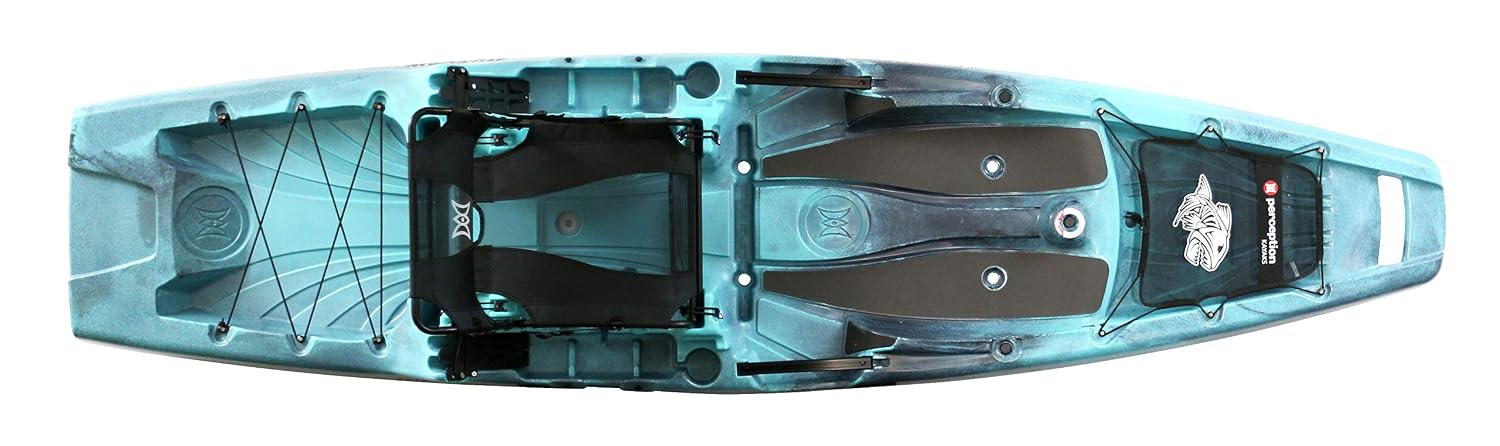
Budget recreational boats like the Lifetime Tamarack Angler 100 (available on Amazon) or the Pelican Argo 100X (see on Amazon) rely on basic back pads that flex under heavy pressure. Higher-end sit-on-top fishing rigs like the Perception Pescador Pro 10.0 (Amazon link) feature elevated mesh lawn-chair style frames that solve this issue out of the box. However, if your boat has a molded-in seat pan, an aftermarket seating system is the single most impactful upgrade you can make.
A quality aftermarket seat provides three distinct biomechanical benefits:
- Upright Pelvic Tilt: Elevated rear cushions tilt your pelvis slightly forward, maintaining the natural S-curve of your spine.
- Torso Rotation Support: Firm backrests give your lower back a solid surface to push against during the power phase of your paddle stroke.
- Vibration and Impact Dampening: High-density foam absorbs chop and hull vibrations before they transmit to your sacrum.
Key Features to Demand in an Aftermarket Kayak Seat
Not all replacement seats are built to withstand marine environments or long hours of active paddling. Before spending money, evaluate seats against these five technical criteria.
1. Cushion Material and Thickness
Look for seats featuring thermoformed EVA foam, closed-cell polyethylene, or fluid gel inserts. Open-cell foam acts like a sponge, holding water and collapsing under your body weight within thirty minutes. EVA foam maintains its rebound even after years of use. For maximum pressure relief, aim for seat bottom cushions between 1.5 and 2.5 inches thick.
2. Backrest Height and Internal Stays
A short 12-inch backrest only supports your lower lumbar region, forcing your upper torso to do constant stabilizing work. High-back seats measuring 18 to 22 inches tall support your entire back up to the shoulder blades. Ensure the backrest contains vertical fiberglass or plastic internal stays; without these structural supports, tall backrests fold over when you lean back.
3. Attachment Straps and Hardware
Never buy a seat that uses plastic snap hooks. Plastic clips brittle under UV exposure and snap when you lean hard into a turn or hook up with a heavy fish. Demand solid brass or marine-grade stainless steel swivel clips attached to heavy-duty 1-inch polypropylene webbing. A 4-way adjustable strap system (two forward tension straps, two rear stabilizing straps) is essential to lock the seat firmly in place.
4. Fabric Denier and Breathability
The outer shell should be constructed from 600D to 1800D thermal-molded polyester or heavy-duty neoprene. If you paddle in hot climates, look for segmented ventilation channels or breathable mesh paneling. Water needs to drain quickly through reinforced grommets rather than pooling under your legs.
5. Utility and Integrated Storage
Many high-back aftermarket seats feature generous detachable rear storage packs, insulated drink holders, or integrated plastic D-rings. These features keep tackle boxes, sunscreen, and safety gear within arm's reach without cluttering your kayak's deck space.
Top Kayak Seats for 2026 Reviewed
We evaluated dozens of aftermarket seating options across sit-on-top, sit-inside, and inflatable kayaks. These five models delivered superior comfort, robust hardware, and outstanding value.
1. GTS Pro Thermal-Molded Kayak Seat (Best Overall Deluxe Seat)
The GTS Pro is the gold standard for sit-on-top kayak upgrades. It features an anatomically molded 18-inch backrest reinforced with dual fiberglass stays that prevent any backward collapse. The seat cushion uses a contoured 1.75-inch EVA foam base with deep drainage channels that keep your bottom dry even in choppy conditions.
- Backrest Height: 18 inches
- Cushion Thickness: 1.75 inches EVA foam
- Hardware: Solid marine brass swivel snaps on 4-way adjustable webbing
- Best For: All-day touring and sit-on-top paddlers seeking rigid back support
- Standout Feature: Molded cargo pack attached to the rear with integrated brass D-rings
2. Surf To Summit Tall Back Kayak Seat (Best Lumbar Support for Anglers)
If lower-back pain limits your fishing trips, the Surf To Summit Tall Back offers unmatched lumbar reinforcement. Standing a massive 20 inches tall, this seat features a thick, molded lumbar pad that cradles your lower spine. The seat bottom utilizes a layered foam stack that dampens sharp deck impacts when navigating rough water.
- Backrest Height: 20 inches
- Cushion Thickness: 1.5 inches closed-cell foam
- Hardware: Heavy-duty brass clips with reinforced box-stitched webbing
- Best For: Tall paddlers, kayak anglers, and anyone suffering from chronic sciatica
- Standout Feature: High-profile back panel supports full torso extension during long casts
3. Skwoosh Big D Ultralite Gel Seat (Best Low-Profile Gel Cushion)
For paddlers who already have a decent seat back but suffer from deep pressure-point pain on their sit bones, the Skwoosh Big D adds fluid gel cushioning without altering your center of gravity. It features patented liquid gel packs welded inside a waterproof neoprene cover. It fits perfectly on flat plastic seat pans like those found on the Pelican Sentinel 100X Angler (see on Amazon) and Lifetime Tamarack Angler 100 (Amazon link).
- Backrest Height: 11 inches (low-profile design)
- Cushion Thickness: 0.75 inches fluid gel
- Hardware: Basic 4-point tie-down straps with corrosion-proof snaps
- Best For: Sit-in kayaks, low-clearance cockpits, and budget sit-on-top boats
- Standout Feature: Fluidized gel moves dynamically with your sit bones as you paddle
4. Universal Aluminum Mesh Stadium Seat (Best Frame Seat Upgrade)
If your sit-on-top kayak features flat deck tracks or molded side rails, mounting an elevated aluminum frame seat completely changes your experience. This stadium-style seat elevates your hips 4 inches above the wet deck. The UV-resistant breathable mesh fabric stays cool on scorching summer days and dries in minutes.
- Backrest Height: 21 inches
- Cushion Thickness: Suspended mesh frame (zero foam collapse)
- Hardware: Track-compatible mounting feet and stabilizing cam-buckle straps
- Best For: Dedicated kayak fishing platforms and flat sit-on-top decks
- Standout Feature: Completely eliminates deck water contact while offering lawn-chair comfort
5. Sea Eagle Deluxe Inflatable Kayak Seat (Best for Inflatables & Packables)
Inflatable kayaks require lightweight seats that provide high structural rigidity without puncture risks. The Sea Eagle Deluxe seat utilizes dual independent air chambers for the seat base and backrest, allowing you to fine-tune firmness. It provides fantastic back support for boats like the Sea Eagle 370 (available on Amazon) and the Intex Explorer K2 (Amazon link).
- Backrest Height: 14 inches
- Cushion Thickness: 5 inches inflated cushion
- Hardware: Heavy-duty quick-release plastic clips and nylon straps
- Best For: Inflatable kayaks, packable setups, and tandem boats
- Standout Feature: Packs down flat and elevates the paddler off wet floor chambers
Kayak Seat Comparison Table
| Model | Backrest Height | Cushion Material | Attachment System | Weight | Ideal Use Case |
|---|---|---|---|---|---|
| GTS Pro Thermal-Molded | 18 in | 1.75 in EVA Foam | 4-Point Brass Clips | 4.2 lbs | Sit-on-Top Touring & General Use |
| Surf To Summit Tall Back | 20 in | 1.5 in Layered Foam | 4-Point Brass Clips | 4.8 lbs | Tall Paddlers & Lumbar Support |
| Skwoosh Big D Ultralite | 11 in | 0.75 in Fluid Gel | 4-Point Quick Snaps | 1.6 lbs | Low Clearance & Sit-Inside Kayaks |
| Universal Aluminum Mesh | 21 in | Suspended Mesh | Frame Tracks / Cam Straps | 6.1 lbs | Anglers & Flat Deck Sit-on-Tops |
| Sea Eagle Deluxe Inflatable | 14 in | Dual Air Chambers | Quick-Release Clips | 2.1 lbs | Inflatable & Packable Kayaks |
Sit-on-Top vs. Sit-Inside Kayak Seat Upgrades
Choosing the right seat depends heavily on whether you paddle a sit-on-top or a sit-inside hull. To understand the structural differences between these designs, check out our guide on sit-in vs sit-on-top kayaks and our comprehensive kayak buyer's guide.
Sit-on-Top Kayaks
Sit-on-top kayaks offer abundant deck space and factory pad-eye mounting points. They easily accept tall 18 to 22-inch backrests with 4-point brass clip harnesses. Because sit-on-top decks collect water from paddle drip and chop, choose seats with thick EVA foam or raised mesh that keeps your body elevated above the deck scupper holes.
Sit-Inside Kayaks
Sit-inside kayaks present tight cockpit clearances. Installing a tall 20-inch backrest inside a narrow rim can interfere with your spray skirt or hit the rear coaming edge. For sit-inside boats, opt for low-profile back pads (10 to 12 inches tall) paired with dynamic gel seat cushions. This setup provides crucial sit-bone pressure relief without raising your center of gravity, which could make a narrow sit-in hull feel unstable.
Kayak Fishing Seat Considerations: Elevating Your Rig
Kayak anglers spend hours waiting out bites, making seat ergonomics critical. When setting up a fishing kayak, your seat directly impacts your casting distance, sight-fishing capability, and gear access. If you are building a custom setup, review our breakdown of the best fishing kayaks and our introductory guide to kayak fishing 101.
When evaluating seats for fishing, look for these specific features:
- Elevated Seating Height: Raised frame seats or 2.5-inch foam pads improve your line of sight for spotting underwater structure and make transitioning from sitting to standing much easier. Larger anglers should read our recommendations for the best kayaks for big and tall to ensure their boat's weight capacity supports elevated seating.
- Rear Storage Packs and Rod Holders: Premium fishing seats include zippered rear storage compartments capable of holding two 3600-size Plano tackle boxes. Some aftermarket models even feature integrated rear flush-mount rod sleeves.
- Clear Shoulder Movement: Ensure the backrest tapers near the top. Wide square backrests restrict full shoulder rotation when throwing big swimbait lures or casting overhead. For more details on active paddling biomechanics while angling, see our article on fishing from a kayak.
Step-by-Step: Installing and Dialing in Your Seat Posture
Even the most expensive seat will cause discomfort if installed incorrectly. Follow this step-by-step process to lock down your seating position for maximum efficiency.
1. Position the Seat Base
Place the cushion flat in the seat pan. Ensure the rear edge of the cushion fits snugly against the back wall of the cockpit cockpit or seat well. If you are using a gel pad on a smooth polyethylene deck, place a piece of non-slip rubberized shelf liner underneath to prevent sliding.
2. Connect the Forward Straps First
Attach the front brass clips to the pad-eyes or D-rings located near your hips or forward thighs. Pull the webbing tight so the backrest sits upright at a strict 90-degree angle relative to the deck. These forward straps bear all the force when you lean back while paddling.
3. Anchor the Rear Stabilizing Straps
Clip the rear straps to the pad-eyes located behind your seat position. Tension these straps just enough to keep the backrest centered and prevent it from shifting side-to-side. Do not overtighten the rear straps, or you will pull the backrest backward out of its vertical alignment.
4. Fine-Tune Your Paddling Posture
Sit in the kayak with your feet placed on the footbraces. Your knees should have a slight upward bend (roughly 10 to 15 degrees). Adjust the forward seat straps so your spine remains upright without straining your core. Proper upright posture combined with a lightweight paddle—such as those featured in our guide to the best kayak paddles—drastically reduces fatigue across long distances.
Frequently asked questions
Can I put an aftermarket high-back seat on any sit-on-top kayak?
Most sit-on-top kayaks feature standard brass or plastic pad-eyes mounted along the gunwales that accept universal 4-point clip harnesses. If your kayak lacks rear tie-down points, you can easily install aftermarket deck D-rings using marine-grade tri-fold rivets and silicone sealant. Always check that your cockpit dimensions accommodate the width of the seat base before buying.
How do I prevent my kayak seat cushion from sliding around while paddling?
Seat slippage usually occurs when smooth neoprene or nylon sits directly against slick molded polyethylene plastic. You can eliminate sliding by placing a low-cost sheet of rubberized non-slip drawer liner beneath the seat base. For a permanent solution, apply self-adhesive marine EVA traction foam directly to the kayak's plastic seat pan before mounting your cushion.
Are expensive gel seat pads worth the extra money over standard foam?
Fluid gel pads are worth the investment if you suffer from severe tailbone pain or leg numbness caused by pressure points on your sit bones. While EVA foam provides great structural support, gel dynamically shifts with your body weight as your hips rotate during paddle strokes. However, paddlers who prioritize high back support over bottom cushioning will get better overall value from a thermoformed EVA seat.
How do I clean and maintain my kayak seat after paddling in saltwater?
Salt crystals degrade nylon stitching and corrode metal clips if left unwashed after a trip. Rinse your seat thoroughly with fresh hose water after every outing, paying extra attention to brass swivel snaps and zipper teeth. Allow the seat to dry completely in the shade before storing it to prevent mildew growth inside the foam core.
The bottom line
Upgrading from a flimsy factory pad to a supportive aftermarket seat is the single best investment you can make for your paddling health. Eliminating lower back strain allows you to maintain clean stroke technique, paddle further, and fish longer without stopping to stretch every hour.
For most sit-on-top paddlers, the GTS Pro Thermal-Molded Seat offers the ideal balance of rigid 18-inch back support, durable brass hardware, and dense foam cushioning. If you suffer from chronic lower-back fatigue, the Surf To Summit Tall Back provides the extra height and lumbar reinforcement needed to keep you pain-free all day on the water.
Related Kayaks
Kayaks that pair with this guide
Pescador Pro 10.0

Pungo 120

Catch Mode 110
Keep Reading
Related articles

The Best Fishing Kayaks (2026 Guide)

Best Kayak Life Jackets (PFDs) of 2026: Tested & Reviewed

Best Kayaks for Big and Tall Paddlers (2026 Picks)
Next up: The Best Fishing Kayaks (2026 Guide), Best Kayak Life Jackets of 2026: Tested & Reviewed, and Kayaks for Big and Tall Paddlers.