Kayak Fishing vs Shore Fishing: Which Catches More?
Bank access is free and simple. A kayak costs money and effort but unlocks water nobody else can reach. Here is an honest, category-by-category comparison so you know which one actually puts more fish in front of you.
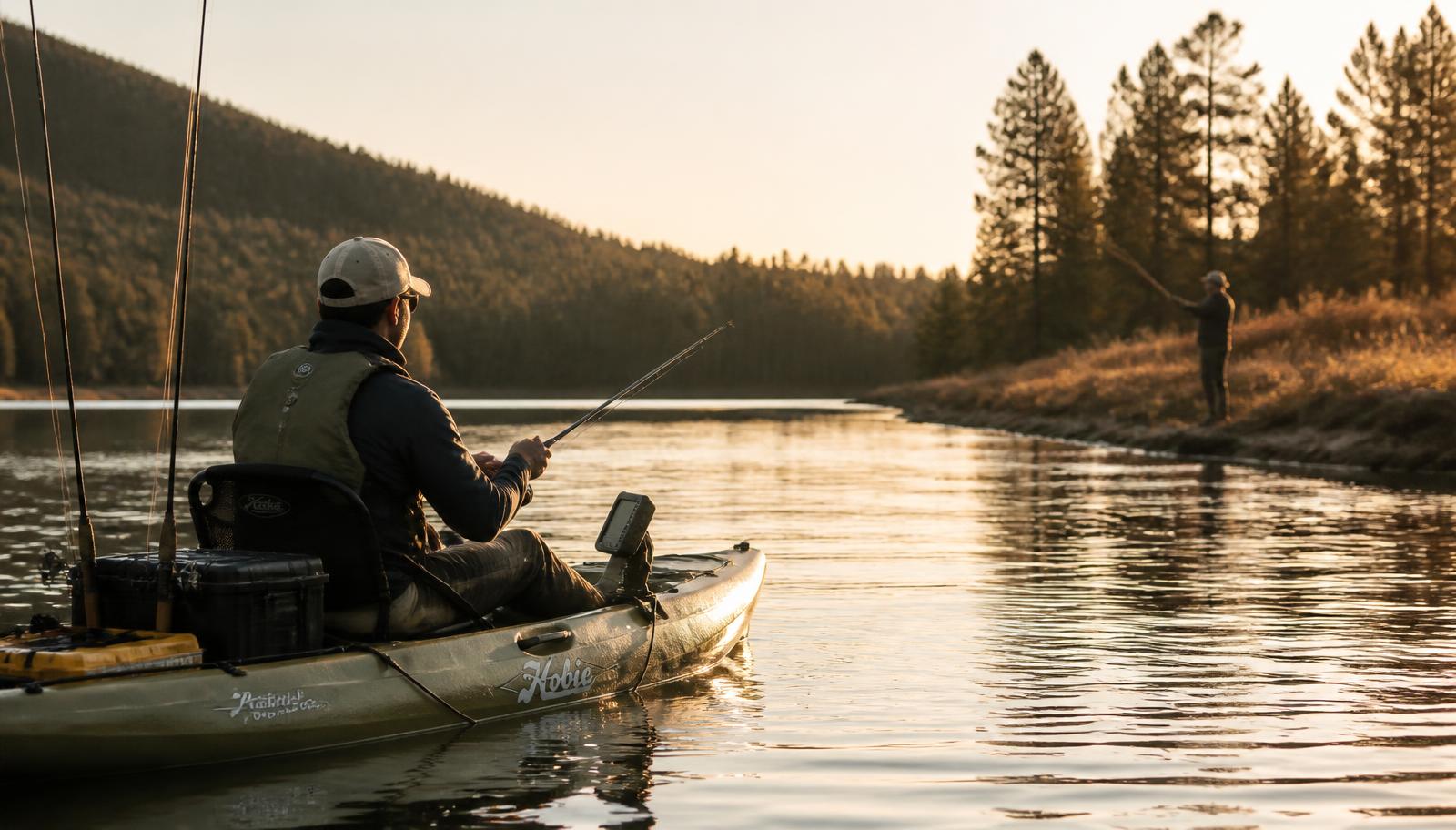
Almost every kayak angler started on the bank. You learn a stretch of shoreline, you catch fish, and then one day you watch a kayak slide past the point you can't cast to and land the fish you've been failing to reach for two seasons. That moment is why most people buy a fishing kayak.
But shore fishing isn't the beginner version of kayak fishing. They're two different games, and each one wins in situations the other can't touch. Here's the honest breakdown.
Quick comparison
| Shore fishing | Kayak fishing | |
|---|---|---|
| Startup cost | Rod, reel, license — under $150 | Add $300–$900 for a rigged kayak |
| Setup time | Park and walk | 10–20 min to load, launch, land |
| Water you can reach | The first 30–80 ft from the bank | Essentially the whole lake |
| Pressure from other anglers | High — banks get hammered | Low — most fish never see a lure |
| Casting freedom | Trees and brush behind you | 360° with nothing behind you |
| Fish-fighting control | Fixed position, good leverage | You can be towed, but you follow the fish |
| Safety demands | Minimal | PFD, weather judgment, self-rescue skills |
| Best for | Quick sessions, kids, learning | Pressured water, big fish, exploring |
Where shore fishing genuinely wins
It's free and instant. No straps, no cart, no shuttle. A 45-minute session after work is realistic from the bank and rarely worth it from a kayak.
Leverage. Standing on solid ground, you can put real pressure on a fish and steer it away from cover. In a kayak, a good fish moves you.
Learning to read water. Bank anglers get very good at close-range presentation because they have to be. Skills like accurate pitching under docks and slow-rolling a bank transition transfer directly to a kayak later.
Bad-weather days. Wind over about 12–15 mph turns kayak fishing into paddling practice. The bank doesn't care.
Kids and beginners. Easier to supervise, easier to bail out of, no capsizing to worry about.
Where the kayak wins by a mile
Access to unpressured fish. This is the whole argument. On a public lake, the bank gets fished daily, and the fish within casting distance of it are educated. Offshore humps, mid-lake weed edges, back-of-creek flats and the far side of a channel swing get fished a fraction as often. Same lake, dramatically less-wary fish.
Casting angles. Shore fishing means casting toward structure from one fixed direction. From a kayak you work a laydown from the shady side, present parallel to a weedline, or drift a current seam at exactly the speed of the water. Angle changes convert follows into bites.
Stealth. A kayak is quieter than a bass boat with a trolling motor, and quieter than a bank angler crunching gravel. In shallow water, that's an advantage even against boats.
Depth information. Even a cheap castable or transducer-mounted sonar on a kayak lets you find the 8-to-12-foot break line the bank never reveals. Depth beats guesswork.
Rivers. Floating a river and hitting every eddy is one of the highest catch-rate patterns in freshwater fishing, and it's simply not available from shore.
Catch rates: what actually changes
Nobody should promise you numbers, but the mechanism is easy to explain. Shore fishing limits you to a narrow band of habitat that receives most of the fishing pressure on the water body. A kayak removes the limit on where and lets you keep moving until you find the group of fish that's actively feeding. Mobility, not gear, is what raises catch rates.
The corollary: a kayak angler who anchors in one spot all day and never moves gives up most of the advantage. The boat is a search tool.
Cost, realistically
- Shore: a rod/reel combo, line, a small tackle bag and a license. You're fishing for well under $150.
- Kayak: a genuinely good fishing kayak runs $300–$900, plus a PFD ($40–$120), paddle ($60–$150), and either a cart or a truck-bed setup for transport. Budget around $600–$1,200 all in for a setup you won't outgrow in a season.
If money is the deciding factor, fish from the bank for a season and put the savings toward a kayak that has the two things that matter most: a stable, wide hull and a real elevated seat.
Safety: the part shore anglers underestimate
The bank forgives mistakes. Open water doesn't. Non-negotiables:
- Wear the PFD, not stow it. Most kayak fatalities involve an unworn life jacket.
- Check wind, not just weather. Sustained wind above 12–15 mph, or any offshore wind on a big lake, is a hard stop for beginners.
- Practice a wet re-entry in shallow water before you need it deep.
- Dress for water temperature, not air temperature. Below about 60°F water, cold shock is the real danger.
- Leave a float plan — where you launched and when you'll be back.
Full detail lives in our kayak safety essentials guide.
The honest answer: do both
The strongest freshwater anglers we know run both. They fish the bank for short sessions, evening bite windows and high-wind days, and they take the kayak when they have three hours and want to find fish nobody has bothered.
If you're deciding right now: buy the kayak if you fish a lake or river with obvious water you can't reach, or if bank pressure is your main problem. Stay on the bank if your sessions are usually under an hour or you're still learning to catch consistently — that skill work is cheaper and faster from shore.
Ready to get off the bank?
Our full breakdown is in The Best Fishing Kayaks of 2026, and these are the three we recommend most often:
- Perception Pescador Pro 10 — the best all-around fishing kayak here. Wide, stable, and the frame seat lets you fish for hours without a sore back.
- Lifetime Tamarack Angler 100 — the best value angler. Two flush rod holders, one swiveling, and a hull stable enough for a beginner's first season.
- Pelican Sentinel 100X Angler — the lightest of the group, which matters more than anything else if you load solo.
If your water is calm and you want maximum stability for standing and casting, also look at the Pelican Catch Mode 110.
Once you've picked a boat, read Fishing From a Kayak for boat control and on-water technique, and How to Transport a Kayak in a Truck Bed to get it to the ramp without drama.
Frequently asked questions
Do you really catch more fish from a kayak than from shore?
On most waters, yes — not because a kayak makes fish bite, but because it multiplies the water you can reach. Shore anglers work the same handful of accessible spots that everyone else works; a kayak puts you on unpressured banks, timber, and flats within the first hour.
Is kayak fishing more expensive than shore fishing?
Upfront, yes: a rigged fishing kayak, paddle, and PFD run roughly $500 to $900 versus almost nothing extra for bank fishing. After that first purchase the running costs are near zero — no fuel, no launch fees at most ramps, no trailer registration.
Is shore fishing safer for a beginner?
It is simpler, but kayak fishing is safe with three habits: wear the PFD at all times, stay off open water when winds exceed about 10 to 12 mph, and practice a re-entry in shallow water before your first real trip.
Related Kayaks
Kayaks that pair with this guide
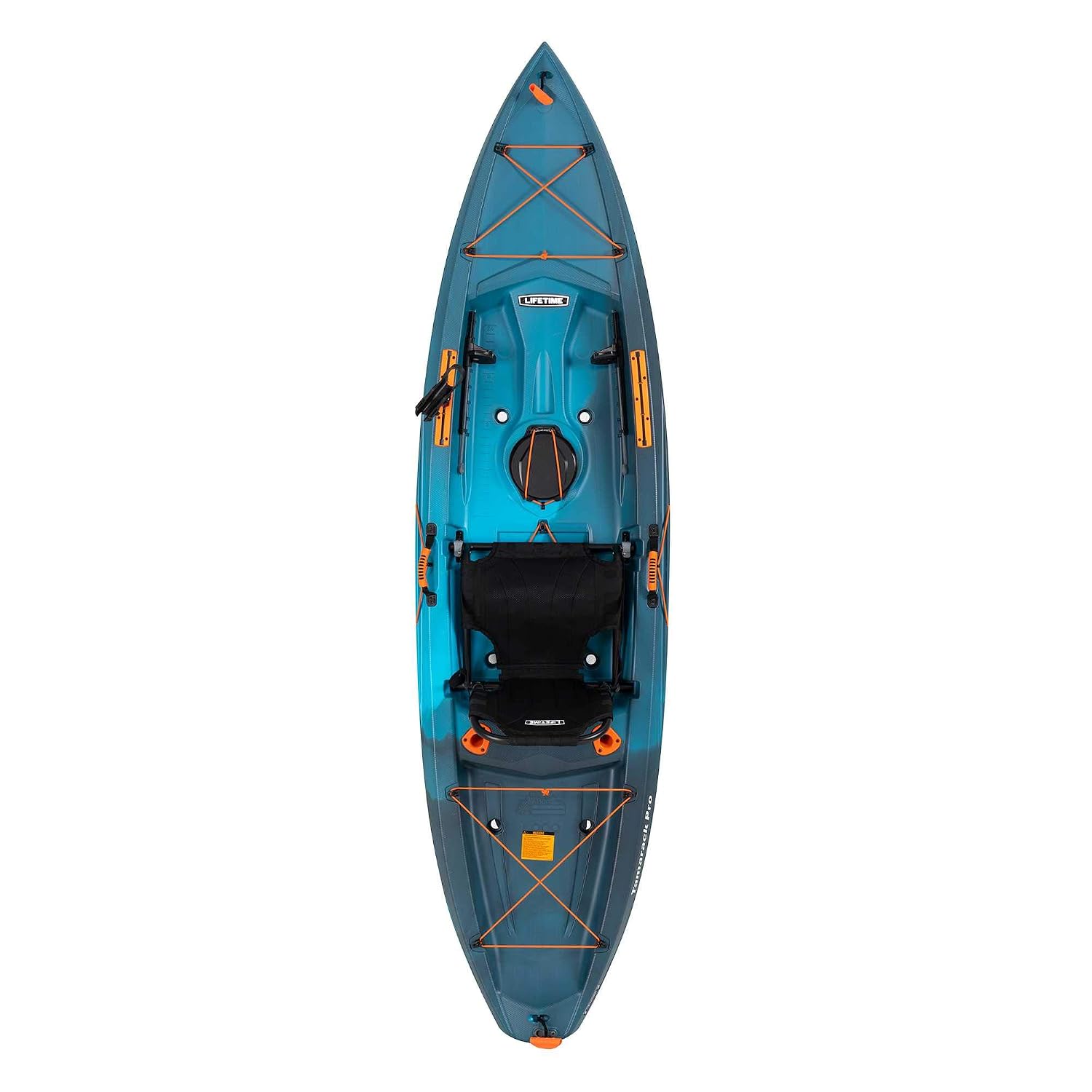
Tamarack Angler 100
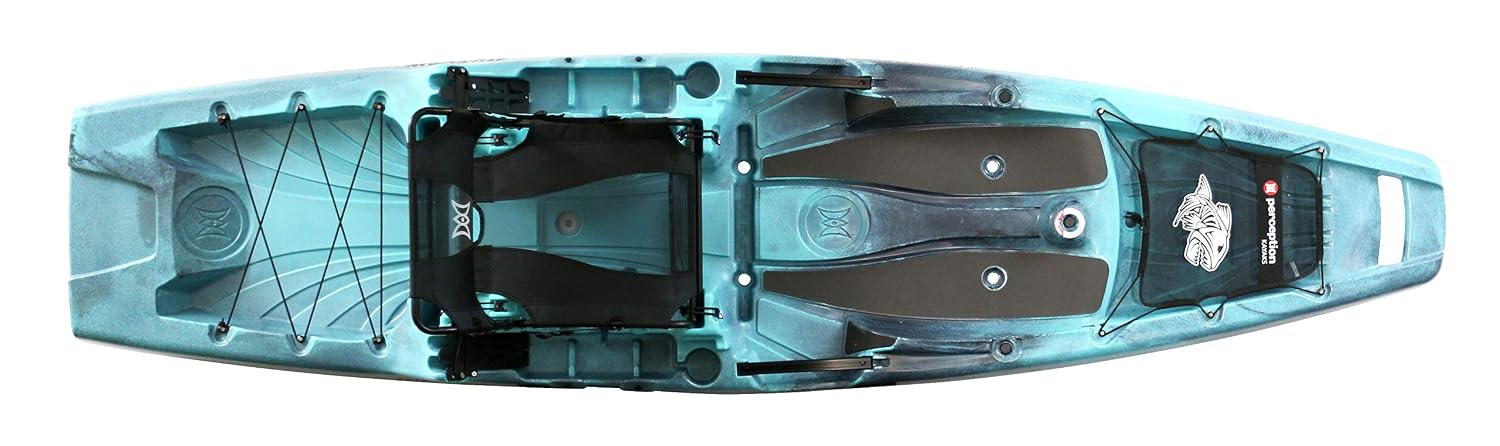
Pescador Pro 10.0

Catch Mode 110
Keep Reading
Related articles
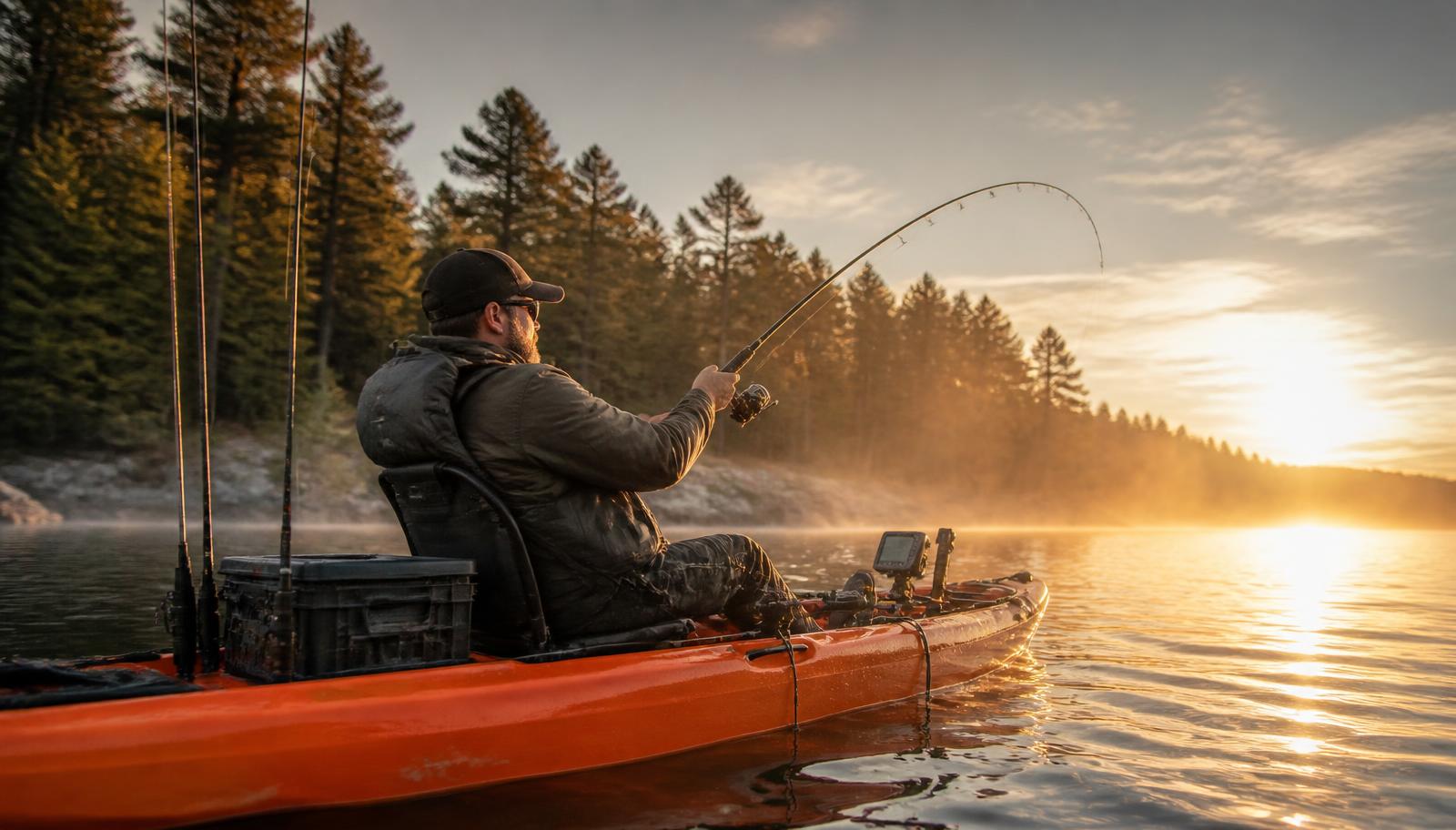
Fishing From a Kayak: Techniques That Actually Catch Fish
The Best Fishing Kayaks (2026 Guide)

Best Pedal Kayak Guide (2026): Top Hands-Free Models
Next up: Fishing From a Kayak: Techniques That Actually Catch Fish, The Best Fishing Kayaks, and Best Pedal Kayak Guide.