Best Sit Inside Kayaks for Recreational Paddling
Explore top sit-inside kayaks for recreational paddling. Compare tracking, stability, cockpit comfort, and storage for lakes and calm rivers.
This post contains Amazon affiliate links. We may earn a commission if you buy, at no extra cost to you. Read our disclosure.

Finding the best sit inside kayaks for recreational paddling comes down to balancing tracking efficiency, primary stability, and overall cockpit comfort. For paddlers seeking straight-line speed and ergonomic seating on open lakes and calm rivers, premium twelve-foot models excel, while ultra-portable or entry-level options offer easy transport for quick afternoon outings. Selecting the right craft depends on whether you prioritize dry storage bulkheads, open-cockpit roominess, or folding convenience.
Sit-inside kayaks remain the traditional choice for recreational paddlers who want protection from cold spray, wind, and water splash. Sitting inside an enclosed hull positions your center of gravity closer to the waterline than an elevated open-deck craft. This lowered position increases secondary stability and improves stroke leverage across flatwater environments. To understand how these designs differ from open-deck alternatives, review our detailed guide to kayak types explained.
When preparing for cool weather or breezy conditions, enclosed cockpits trap ambient body heat around your lower torso. Combined with proper layering—such as fleece, neoprene, or dry tops detailed in our guide on what to wear kayaking—a sit-in hull extends your paddling season beyond mid-summer.
Comparison
| Kayak | length | beam | weight | capacity | material | type |
|---|---|---|---|---|---|---|
| Pungo 120 | 12' 2" | 29" | 49 lb | 350 lb | Rotomolded polyethylene | Sit-inside |
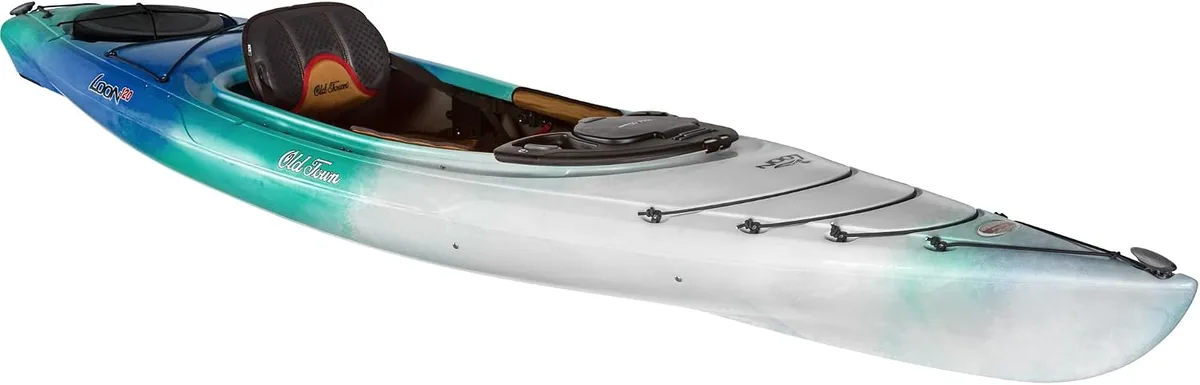
| Loon 120 | 12' 0" | 30" | 54 lb | 375 lb | Rotomolded polyethylene | Sit-inside |
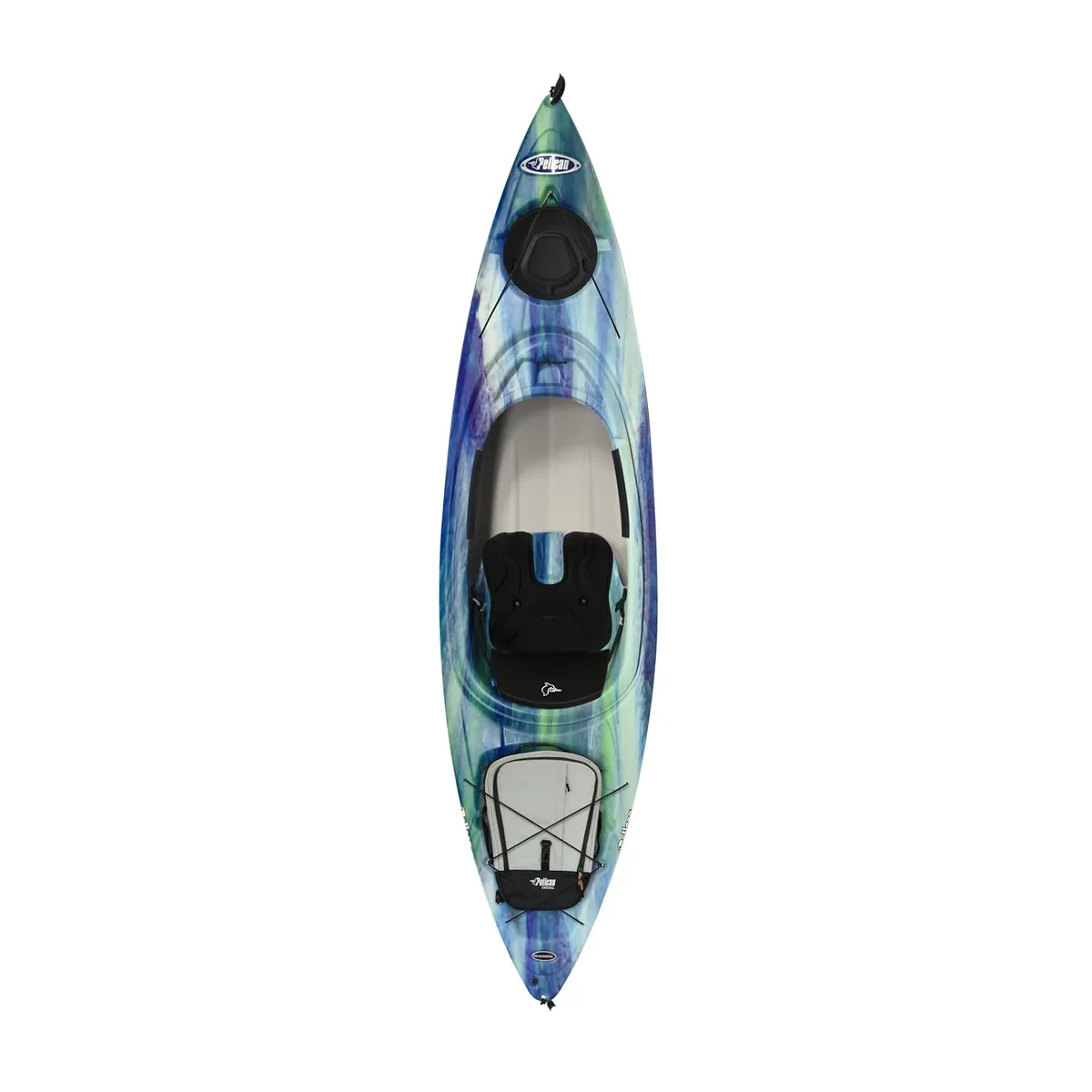
| Argo 100X | 9' 6" | 28.5" | 36 lb | 275 lb | RAM-X Polyethylene | Sit-in |
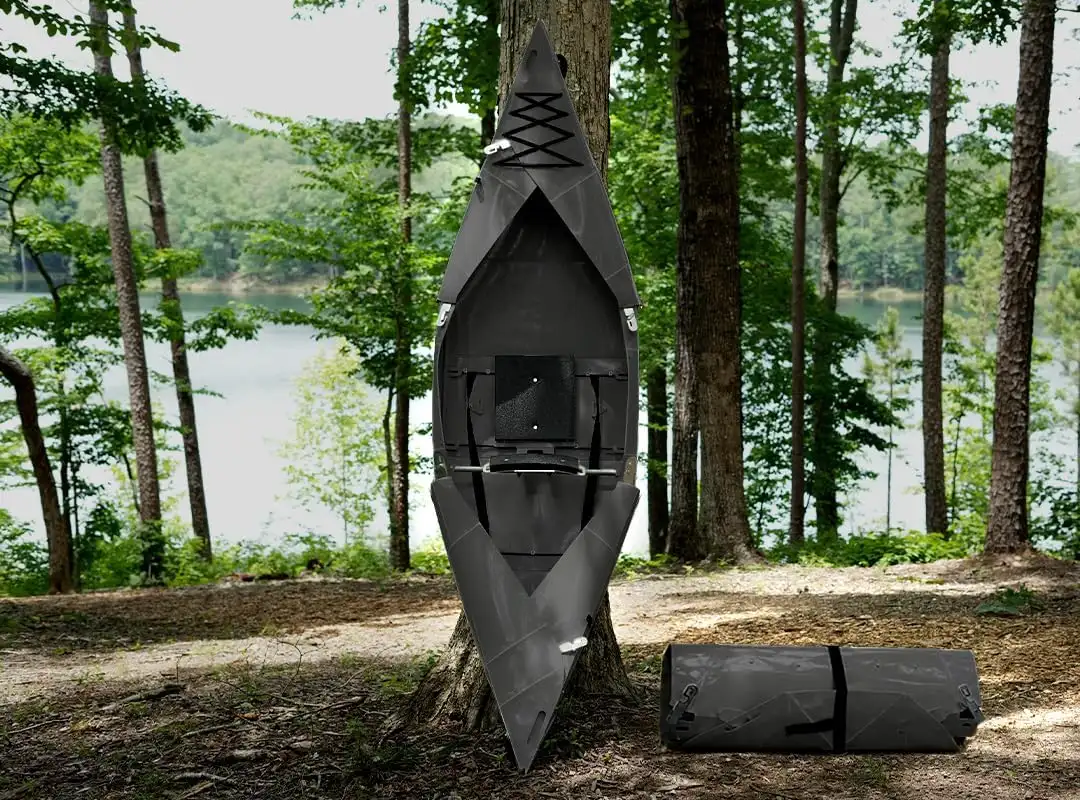
| Tucktec 10' Folding Kayak | 10' 0" | 30" | 24 lb | 300 lb | UV-stable HDPE sheet | Folding hard-shell |
Evaluating recreational sit-in kayaks requires comparing hull designs, deck features, and entry dimensions. Longer hulls feature pronounced keel lines that track straight over long distances, whereas shorter hulls turn rapidly but require more effort to maintain straight lines. Broader beams maximize initial stability, giving newer paddlers confidence when stepping into the cockpit or reaching for gear.
Wilderness Systems Pungo 120
The Wilderness Systems Pungo 120 stands out as a benchmark for performance-oriented recreational paddling. Designed with a distinct multichine hull and a pronounced keel line, this kayak cuts cleanly through flatwater and light chop without pushing excess water. Detailed design attributes and hull specifications can be explored directly on the manufacturer's site via Wilderness Systems. The hull architecture balances high initial stability with exceptional secondary stability, allowing paddlers to lean into turns without feeling tippy.
Cockpit comfort is a central feature of the Pungo series. The Phase 3 AirPro seating system features adjustable thigh supports, backrest elevation, and breathable mesh padding over contoured foam. This adjustability allows paddlers to fine-tune lumbar support during long days on the water. Additionally, the dashboard removable console fits securely across the front rim of the cockpit rim, providing dry storage, cup holders, and mounting points for small accessories.
Storage capability includes a sealed rear bulkhead with an Orbix hatch cover. The watertight rear compartment keeps dry bags and extra clothing safe from water entry, while front deck bungee rigging holds extra jackets or water bottles within arm's reach. Available options can be viewed on Amazon.
Old Town Loon 120
The Old Town Loon 120 focuses on sleek tracking performance and luxurious cockpit ergonomics. Featuring a sharp bow entry line and a wide beam under the seat, the hull glides efficiently through calm lakes, slow-moving rivers, and coastal bays. Its hull geometry provides predictable tracking even when paddling against moderate head winds.
Inside the cockpit, the ACS2 (Active Comfort System 2) seating system provides deep padding and quick-adjust tension straps. The backrest height and seat angle can be adjusted while seated, allowing you to alter your posture as paddling conditions change. Soft thigh pads along the cockpit coaming provide control points for bracing against gentle boat tilts.
The Workdeck removable console bridges the front coaming, offering a USB port compartment pass-through, cupholders, and a small dry hatch. In the stern, a stern hatch backed by a solid structural bulkhead prevents water from filling the entire hull in the event of partial capsizing. View purchase options on Amazon.
Pelican Argo 100X
For paddlers looking for an approachable, ultra-lightweight entry into flatwater paddling, the Pelican Argo 100X offers high stability in a manageable size. Constructed from proprietary RAM-X multi-layer high-density polyethylene, this kayak resists impacts and UV degradation while keeping overall craft weight to a minimum. For more high-value recreational options, check out our guide on the best kayaks for beginners.
The Argo 100X features a twin-arched multi-chine hull design that emphasizes initial stability above all else. Stepping into the spacious cockpit feels solid, making it an excellent platform for beginners, casual photography, or quick after-work paddles. The wide cockpit rim ensures straightforward entry and exit without squeezing through narrow side walls.
Outfitting on the Argo 100X includes an adjustable Ergoform padded backrest, molded-in footrests at varying lengths, and a rear storage platform equipped with a mesh deck cover. While it does not include a sealed bulkhead, front and rear flotation blocks inside the hull maintain buoyancy. Find this model on Amazon.
Tucktec 10' Folding Kayak
The Tucktec 10' Folding Kayak redefines convenience for paddlers facing tight storage spaces or transportation constraints. Manufactured from a single sheet of heavy-duty, UV-stable sheet plastic, this folding hard-shell craft folds down into a compact roll that fits easily inside a car trunk or apartment closet. Explore similar space-saving crafts in our round-up of the best lightweight kayaks.
Assembly relies on a series of commercial-grade snap buckles and fold-up side panels that lock into place in minutes. Once fully formed, the hull features a solid flat-bottom design with a stern tracking fin to keep the craft straight across calm water. The open cockpit layout allows ample legroom, while an adjustable seat back provides support during recreational outings.
Because the boat folds flat for transport, it eliminates the need for roof racks, crossbars, or heavy lifting overhead. Detailed guidance on vehicle transport and storage setups can be reviewed in our guide on how to transport and store a kayak. Check price and availability on Amazon.
Buying criteria
Selecting the best sit-inside kayak for recreational paddling requires matching boat design features to your personal storage capacity, transportation method, and target water conditions. Consider these technical criteria when evaluating different models:
Cockpit Dimensions and Entry Ergonomics
Cockpit sizing dictates how easily you step into and out of the kayak. Large keyhole cockpits (typically over thirty-eight inches long) allow you to sit down seat-first and swing your legs inside comfortably. Smaller, traditional sea-kayak cockpits require sliding legs-first under the deck deck rim, which offers tighter boat control but can feel restrictive to taller or less flexible paddlers. Ensure the cockpit rim includes padded thigh braces if you plan to edge the boat during turns.
Hull Geometry and Stability Profiles
Hull shape governs how a kayak behaves on the water:
- V-Shaped Hulls: Cut through chop efficiently and track straight, but feel slightly twitchier when sitting stationary at rest (higher secondary stability, lower primary stability).
- Twin-Arched Multi-Chine Hulls: Provide immense primary stability on flat water, keeping the boat flat when leaning or reaching for gear, though they drag slightly more in long-distance paddling.
- Flat-Bottom Hulls: Deliver maximum initial stability on smooth lakes, making entry effortless, but can follow wave contours over rougher surfaces.
Storage Compartments and Sealed Bulkheads
Safety and storage go hand-in-hand in sit-inside kayaks. A sealed bulkhead is an internal foam or plastic wall that isolates the stern or bow compartment from the main cockpit. Bulkheads create airtight air pockets that preserve buoyancy if the cockpit fills with water, preventing the boat from sinking completely. Non-bulkhead kayaks rely on internal foam blocks or added float bags to stay afloat during a capsizing event.
Seating Systems and Lumbar Support
Because sit-inside kayaks lock your posture into a fixed forward angle, high-quality seating is essential for back comfort. Premium seats feature independent height adjustments for backrests, leg-lifter supports to take pressure off your hamstrings, and moisture-wicking foam padding. Entry-level models typically use fixed padded backrests with pull-strap tension adjustments.
Construction Materials and Hull Weight
Material selection dictates physical boat weight, abrasion resistance, and cost:
- Rotomolded Polyethylene: Heavy, highly impact-resistant, and forgiving against rocks or gravel launches.
- Thermoformed ABS/Polyethylene (RAM-X): Lighter than standard rotomolded plastic with a glossy finish that slides through water smoothly.
- Folding Synthetic Sheet Plastic: Lightest hard-shell alternative, allowing complete collapse for tight storage spaces.
Frequently asked questions
What is the difference between a sit-inside and sit-on-top kayak?
A sit-inside kayak positions the paddler inside an enclosed cockpit with legs tucked under the deck, lowering your center of gravity and shielding your lower body from wind and spray. A sit-on-top kayak features an open self-bailing deck where water drains through scupper holes, making entry and exit easier but leaving you exposed to wind and splash.
Are sit-inside kayaks safe if they capsize?
Sit-inside kayaks are safe when paddled within their intended conditions and equipped with float bags or sealed bulkheads. If a sit-inside kayak capsizes, water fills the cockpit coaming, requiring a bilge pump or drain plug to empty once brought to shore. Paddlers should always wear a personal flotation device and check thermal guidelines, such as those published by the National Weather Service Cold Water Safety resources, before venturing into cold water.
What size sit-inside kayak is best for recreational paddling?
Recreational sit-inside kayaks typically range between ten and twelve feet in length. Ten-foot models offer high maneuverability, lower physical weight, and easy vehicle loading. Twelve-foot models provide superior tracking speed, larger storage bulkheads, and better performance across open lakes and breezy conditions.
Can you use a spray skirt on a recreational sit-inside kayak?
Many recreational sit-inside kayaks can accept a loose-fitting nylon recreational spray skirt or splash deck to block light wind spray and rain. However, because recreational cockpits are wider and longer than sea kayak cockpits, heavy-duty neoprene spray skirts are generally not recommended or necessary for flatwater outings.
Practical Next Steps
To choose the best sit-inside kayak for your paddling trips, measure your storage area and vehicle rack load limits before buying. Visit a local paddle shop to sit in different cockpit configurations and test seat back adjustments in person. Practice dry-land entries and exits to confirm legroom comfort, check that your paddle length matches the boat's beam width, and ensure you have all essential safety equipment—including a fitted PFD and sound device—ready before taking your first paddle stroke.
Related Kayaks
Kayaks that pair with this guide

Pungo 120
Loon 120
Argo 100X
Tucktec 10' Folding Kayak
Keep Reading
Related articles

Best Touring Kayaks of 2026: Top Sea & Distance Picks

Best Budget Kayaks of 2026: High-Value Picks Under $500
How to Choose a Kayak: The Complete Buyer's Guide
Next up: Best Touring Kayaks of 2026: Top Sea & Distance Picks, Best Budget Kayaks of 2026, and to Choose a Kayak.