Pelican Catch Mode 110 vs Perception Kayaks Pescador Pro 10.0
Quick verdict
Choose the Catch Mode when its layout and higher catalog load allowance solve your fishing needs and you can manage the heavier hull; investigate the Pescador when lighter transport is more important. Neither width nor capacity alone decides comfort, stability, or value, so compare the complete setup for your ordinary trips.
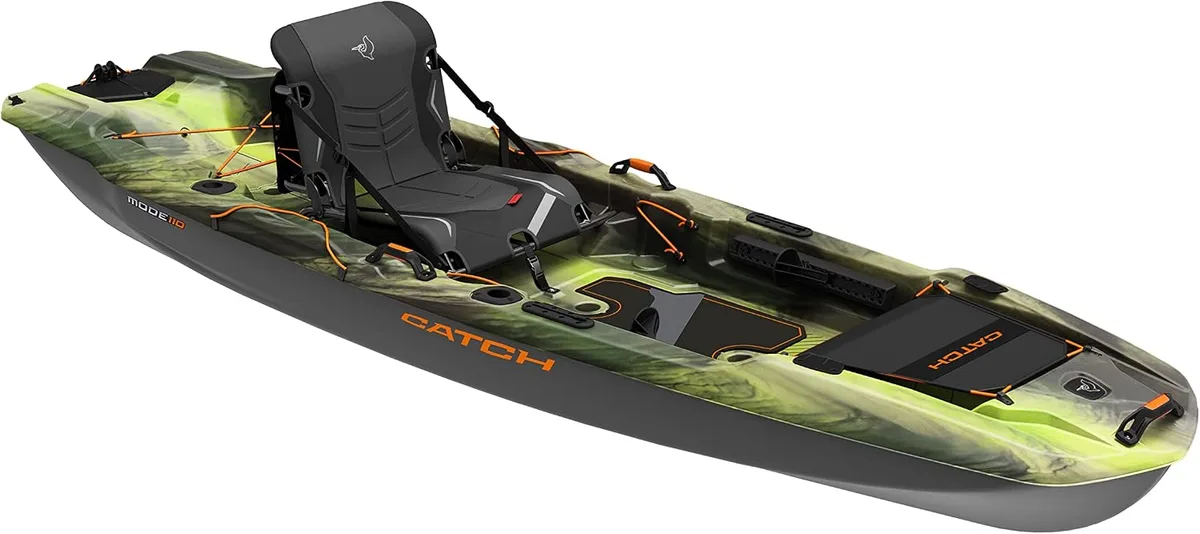
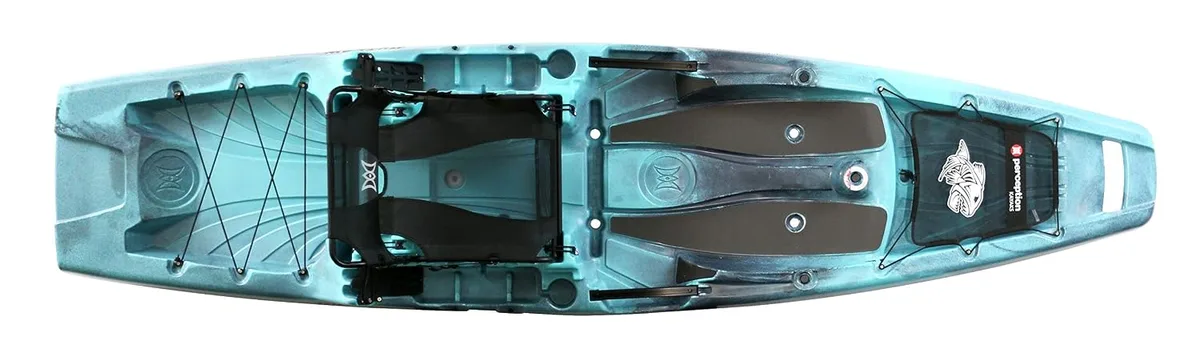
Spec comparison
Specifications below come from our catalog. Unavailable values are left blank; listed capacity includes paddler and gear.
| Specification | Catch Mode 110 | Pescador Pro 10.0 |
|---|---|---|
| Type | Sit-on-top (fishing) | Sit-on-top |
| Length | 10' 8" | 10' 0" |
| Width | 34" | 32" |
| Weight | 75 lb | 57 lb |
| Capacity | 400 lb | 325 lb |
| Material | RAM-X multi-layer polyethylene | Rotomolded Polyethylene |
Who each boat is for
Pelican Catch Mode 110
The Catch Mode deserves investigation when you want a fishing-oriented sit-on-top and can accommodate a heavier, broader hull in your transport routine. The catalog gives it higher capacity than the Pescador and a wider listed beam. Those specifications help identify fit and load questions, but do not prove a universal stability or comfort advantage.
Consider the equipment you genuinely use and the shore access you have. A larger platform may make sense for your fishing routine while becoming a poor choice if loading and carrying discourage regular outings. Check the exact seating and deck layout before deciding that additional hull size will solve your needs.
Perception Pescador Pro 10.0
The Pescador is worth investigating when you want a fishing-oriented open deck with a lower catalog hull weight. Its narrower beam and lower capacity create a different set of compromises, not evidence that it is unsuitable for fishing. Fit, full load, and how you reach equipment matter more than the angler branding.
Choose it when its seating and storage arrangement work for you and the lighter land-handling task is important. It remains a kayak you must carry with its equipment, not just a bare-hull number. Rehearse the launch and return process before buying if you normally paddle alone.
Key differences
Stability and tracking
The Catch Mode's broader beam is clear in the catalog, but width alone cannot rank safety or balance. Hull shape, seat position, paddler movement, and load distribution affect how either boat feels. A broad fishing platform should not be treated as permission to stand without specific manufacturer support, appropriate conditions, and practiced balance.
The Pescador's narrower beam also does not establish a speed advantage. Overall length, waterline shape, trim, wind, and technique influence efficient paddling and course-keeping. Rather than inventing a tracking score, consider how each design supports your actual route and return to the launch.
A fishing kayak can feel reassuring near shore while still being demanding in wind. Plan landings, weather limits, and the paddle back from fishing grounds. Neither open-deck layout makes exposed water, rough wakes, or unfamiliar current appropriate simply because you have enough space for tackle.
Comfort and access to equipment
Inspect both seating arrangements with your PFD on and your feet supported. Compare leg position, back support, and reaching to your usual tackle locations. A frame seat or generous deck space is useful only when the actual sitting position works for your body and leaves paddling movements clear.
Ask about any seat adjustment or accessory changes rather than assuming taller seating is always better. Raising a paddler's position can change balance and may not be supported for the model. Confirm the exact package and manufacturer's instructions before planning an aftermarket arrangement.
Make the comparison with recovery in mind. Rods, bags, and electronics can obstruct movement after a capsize even if the cockpit area looks tidy while fishing. Arrange essentials so you can paddle and get back aboard without having to dismantle the entire fishing setup.
Storage and usable load
The Catch Mode's higher listed capacity may matter for a paddler with a heavier full-trip load. Count the paddler, water, clothing, safety gear, tackle, and every accessory rather than body weight alone. Maximum capacity does not guarantee ideal trim or comfortable performance when fully loaded.
The Pescador may support your ordinary setup without requiring additional capacity. Do not buy a larger boat merely to carry equipment you rarely use. Check storage shape and accessibility in both kayaks, and secure heavy items low and balanced without creating an exit or rescue obstruction.
Deck space does not guarantee dry storage. Protect communication equipment appropriately and confirm how hatches or openings are sealed. Keep essential equipment accessible and attached safely, while avoiding arrangements that could entangle you or complicate re-entry.
Transport and weight
The Catch Mode's higher catalog weight changes the loading task substantially enough to deserve a realistic rehearsal. Think about your vehicle height, storage location, launch surface, and whether assistance is consistently available. A cart may help on a suitable path but cannot solve every bank, stair, or overhead lift.
The Pescador's lower hull weight is a useful reason to investigate it first if you carry alone. Still include seats, tackle, water, and other equipment in the complete transport plan. Carrying handles, package shape, and access to the water can matter as much as the number in the table.
Check your vehicle and transport equipment limits and follow approved securing instructions. A boat that fits your fishing needs but is unpleasant to move may see little use. The kayak carts and dollies guide helps frame route and equipment considerations without assuming a cart works everywhere.
Price tier and equipment cost
Both are more substantial paddle-fishing purchases than the simplest entry packages, but neither should be assigned a permanent price rank. Their current displayed prices and seller packages can change. Compare model identity, supplied equipment, delivery, returns, and any genuinely necessary upgrades before deciding on value.
Do not evaluate only accessory count. A useful seat and manageable transport can be worth more than fittings you never use, while incompatible upgrades can add cost without solving a problem. Keep a fitted PFD, appropriate paddle, immersion clothing, and safety preparation in the budget for either boat.
Buying criteria
Start with the water, route, and fishing equipment you actually use. Our fishing kayak guide provides wider context if either hull's compromises do not match the plan. Avoid selecting extra capacity or deck space before confirming how you will move and recover the boat.
Use the how-to-choose buyer's guide to compare body fit, total load, material, storage, and transport. If you are new to paddling, the beginner kayak guide helps keep the first outings and equipment arrangement manageable.
Finally, read kayak safety essentials, wear a PFD, dress for water temperature, and practice re-entry with qualified guidance. Favor the Catch Mode when its layout and load allowance solve real needs and you can manage the heavier hull. Favor the Pescador when its fit and lighter transport task better match regular use.
Manufacturer reference
The Pelican manufacturer site identifies the Catch Mode among its fishing sit-on-top range. Use current manufacturer information and the exact owner's instructions to confirm trim, equipment, and intended use. The table here remains a direct catalog comparison rather than adding unverified dimensions or transferring features from another Catch model.
Frequently asked questions
Is the Catch Mode more stable because it is wider?
The catalog confirms a broader beam, but stability depends on the hull, seating, load, conditions, and paddler position. That dimension alone cannot establish a safety ranking or standing suitability. Inspect the specific design and follow the manufacturer's intended use rather than relying on width alone.
Which is better if I load the kayak alone?
The Pescador has the lower catalog hull weight and is the natural first option to investigate for solo handling. Check carrying handles, vehicle height, and the complete equipment load too. If the Catch Mode fits your fishing needs better, arrange dependable assistance or an appropriate transport solution.
Should I choose the higher-capacity boat?
Choose enough capacity for your complete planned load, but do not treat the maximum rating as the ideal target. Fit, trim, storage access, transport, and recovery remain important. Additional capacity is valuable when you need it, not when it merely encourages an unnecessarily complicated fishing setup.
Contains Amazon affiliate links. Read our disclosure.