Perception Kayaks Pescador Pro 10.0 vs Lifetime Tamarack Angler 100
Quick verdict
Choose the Pescador Pro when its fit and higher catalog load allowance justify a more substantial fishing purchase; investigate the Tamarack for a simpler value-oriented setup and lighter hull. Neither boat wins by beam or branding alone, so compare seating, complete load, transport, and recovery for your actual fishing trips.
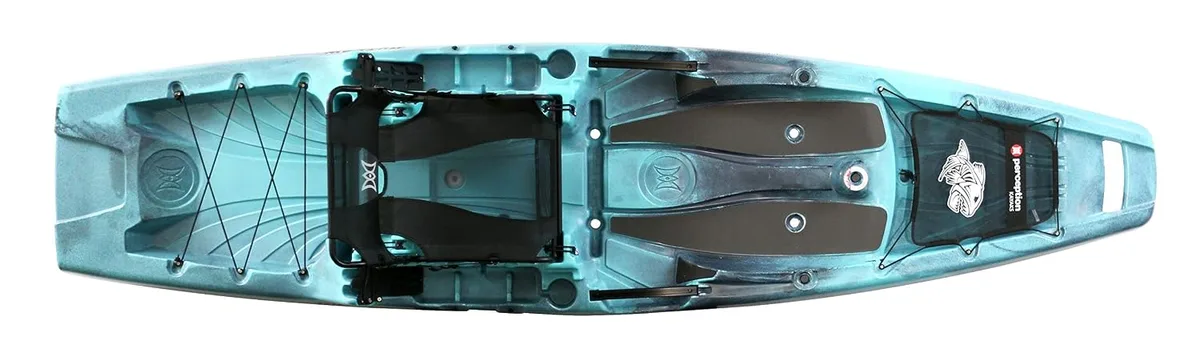
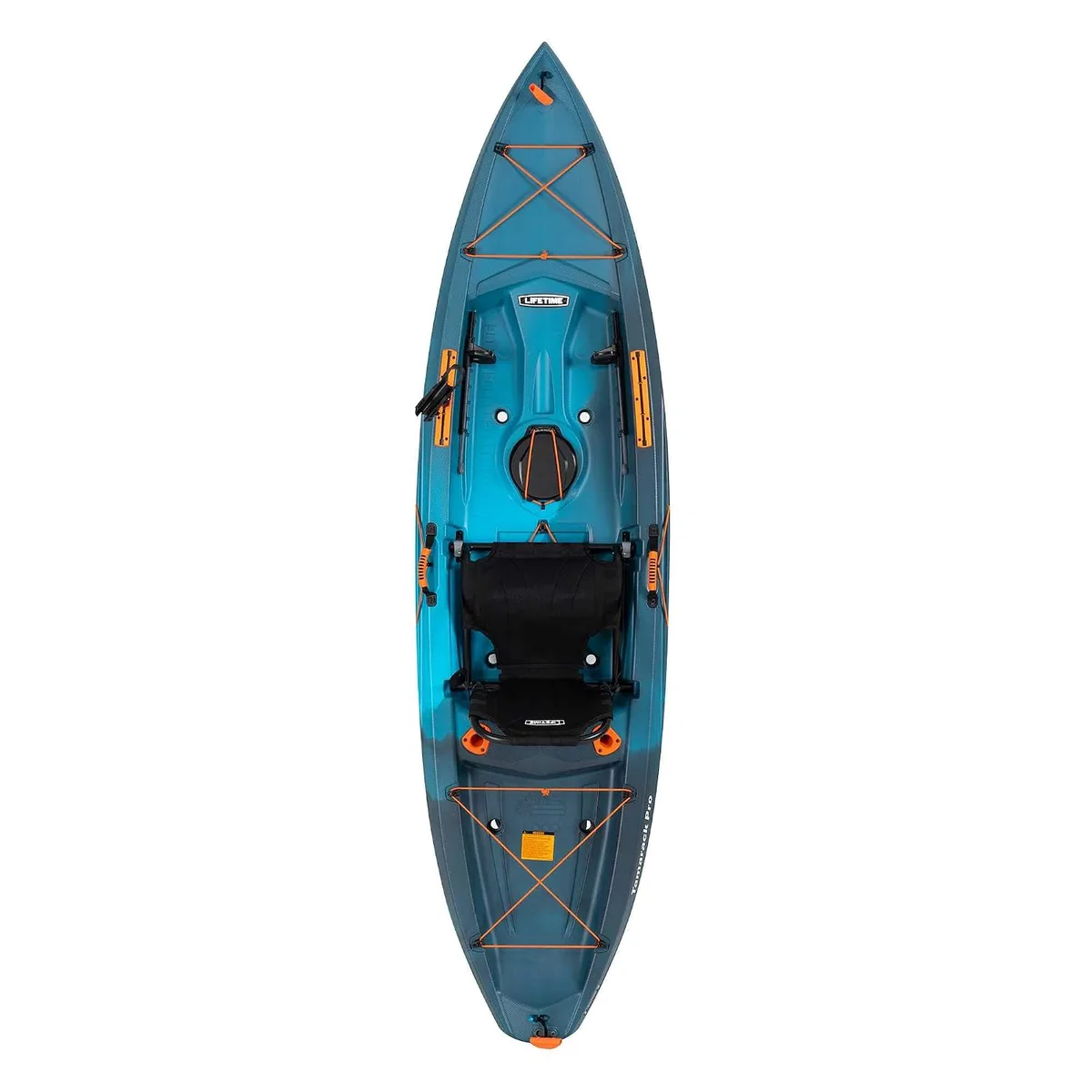
Spec comparison
Specifications below come from our catalog. Unavailable values are left blank; listed capacity includes paddler and gear.
| Specification | Pescador Pro 10.0 | Tamarack Angler 100 |
|---|---|---|
| Type | Sit-on-top | Sit-on-top |
| Length | 10' 0" | 10' 0" |
| Width | 32" | 31" |
| Weight | 57 lb | 52 lb |
| Capacity | 325 lb | 275 lb |
| Material | Rotomolded Polyethylene | HDPE |
Who each boat is for
Perception Pescador Pro 10.0
The Pescador Pro is worth investigating when fishing is your main activity and you want to compare a more substantial fishing-oriented purchase against a simpler value option. The catalog lists it as a sit-on-top with a broader beam, higher capacity, and higher hull weight than the Tamarack. Those are clear specifications, but they do not tell you whether its seating and deck arrangement fit you better.
Consider your normal fishing position, the tackle you carry, and how far you paddle between launch and fishing grounds. If you can move the boat comfortably and its layout solves real access problems, it may justify the purchase. Avoid adding features simply because they make the deck look more specialized.
Lifetime Tamarack Angler 100
The Tamarack appeals to an angler seeking a straightforward paddle-powered setup for suitable sheltered water. Its lower catalog hull weight can be useful for transport, and a value-oriented package may leave more of the budget for essential equipment. Confirm the exact package rather than assuming all Tamarack offers include the same accessories.
A simpler kayak can be the better purchase when your fishing is close to home and you do not need extensive rigging. Check seat support, foot position, and how rods and bags fit your routine. Simplicity is valuable when it reduces carrying, clutter, and maintenance without compromising your fit.
Key differences
Stability and tracking
The Pescador's wider listed beam does not prove a stability advantage under every load or condition. Stability reflects hull shape, seat position, gear distribution, and paddler movement as well as dimensions. Neither a wider table entry nor a fishing label should be read as permission to stand.
Both catalog lengths fall in a similar compact recreational-fishing range, but the table does not establish a tracking or speed winner. Underwater hull shape, trim, wind, and stroke technique affect course-keeping. Judge those as practical questions for a supervised demonstration rather than inventing a performance score from measurements.
When comparing handling, think about the trip back to the launch, not just maneuvering near the bank. Wind can make a sheltered-looking outing demanding, and additional gear can change how the hull sits. Choose conditions and routes within the boat's intended use and your practiced abilities.
Comfort and useful outfitting
Inspect the actual seating in each kayak with your PFD on. Check whether your feet are supported, whether the seat encourages a comfortable paddling position, and whether you can reach tackle without leaning outside your normal balance. A fishing seat's appearance or branding is not proof of comfort for your body.
Prioritize the fittings you will genuinely use. Rod storage, tackle access, and secure spaces for essentials are more useful than a large collection of attachments that obstruct paddling. Ask whether changes to the seat or rigging are supported for the exact model rather than assuming every aftermarket item is compatible.
Compare the recovery route with equipment aboard. Loose rods, raised attachments, and bulky bags can make re-entry harder. A kayak that feels organized while sitting still may become difficult to manage after capsize if you have not kept the essential movement areas clear.
Storage and usable load
The Pescador has the higher capacity in our catalog. That may be important if your complete load exceeds what you can reasonably plan for the Tamarack, but maximum capacity should not be treated as the ideal loading target. Include the paddler, clothing, water, safety equipment, and every fishing accessory.
Load allowance and convenient storage are separate issues. A kayak may carry the weight while providing awkward space for a large bag or cooler. Inspect the shape and accessibility of storage areas, secure heavier items low and balanced, and protect communication equipment appropriately rather than assuming deck storage stays dry.
If your setup keeps growing, reconsider the boat rather than continually adding equipment. Motors, batteries, electronics, and extra seating can change the carrying and recovery task. Neither model should be treated as an unlimited platform because it has an angler name.
Transport and weight
The Tamarack's lower catalog weight is useful when land handling is the main constraint. Still assess carrying handles, the complete loaded setup, vehicle height, and the path to your actual launch. A nominally lighter hull may remain awkward to lift overhead or move through uneven terrain.
The Pescador's extra hull weight may be acceptable if the seat and load allowance suit you better and you have an effective carrying plan. Rehearse the process before buying, including the return trip when you are tired. A cart can help on a suitable route, but does not solve every stair, bank, or vehicle-loading problem.
Price tier and the complete package
The Pescador is the more substantial fishing purchase to investigate here, while the Tamarack is a value-oriented alternative. Treat that as positioning, not a permanent price promise. Check the current displayed prices and seller package, including delivery, returns, supplied equipment, and any supported upgrades you actually need.
Do not spend the entire budget on the hull. A fitted PFD, appropriate paddle, clothing, transport equipment, and rescue preparation are essentials for either choice. An included paddle or accessory kit adds value only when it fits the paddler and intended use.
Buying criteria
Start with the fishing water you use regularly. If your plan includes exposed crossings, surf, or demanding current, get advice for that environment instead of choosing from two familiar fishing names. Our fishing kayak guide gives broader context for comparing platforms and priorities.
Use the how-to-choose buyer's guide to check fit, full load, transport, storage, and construction. If you are still learning to paddle, the beginner kayak guide helps keep the first setup approachable rather than overloaded with accessories.
Then plan capsize management before rigging. Read kayak safety essentials, wear a PFD, dress for water temperature, secure gear, and practice re-entry with guidance. Choose the Pescador when its fit and additional load allowance solve your actual needs; choose the Tamarack when its simpler, lighter ownership arrangement meets those needs without unnecessary cost.
Manufacturer reference
The Lifetime Tamarack Angler manufacturer product page describes the fishing layout and equipment for its listed package. Confirm the exact seller offer and current owner's instructions. The table here uses only our stored catalog rather than adding unverified accessories or dimensions from another variant.
Frequently asked questions
Does the Pescador's higher capacity make it the better boat?
It may matter if your planned total load requires that allowance, but capacity alone does not settle fit, handling, or convenience. Include all equipment and assess trim and storage as well. A lighter, simpler boat can be the better choice when it comfortably supports your actual trips.
Can I stand to fish in either kayak?
Do not infer standing suitability from beam or an angler label. Confirm the specific manufacturer's intended use and assess your balance and conditions. Keep this comparison focused on seated paddling and fishing unless you have model-specific support and appropriate practice for another position.
Which is better for a first fishing kayak?
Choose the model you can sit in comfortably, transport reliably, and recover after a capsize. The Tamarack deserves attention for a straightforward value setup; investigate the Pescador when its fit and load allowance justify the additional ownership demands. Keep your first trips sheltered and equipment manageable.
Contains Amazon affiliate links. Read our disclosure.